
Adhesive Rubber Strips for Exporters - Global Sourcing Guide
I help manufacturers and distributors solve sealing and vibration problems with Adhesive Rubber Strips. These strips feature a strong pressure-sensitive adhesive backing and easy cut-to-fit profiles, so you can install them straight from the box. They provide moisture sealing, impact dampening, and thermal insulation, even in demanding temperatures. Available in EPDM and silicone formulations, with Shore A hardness tuned for gaskets, trims, and edge seals. They resist UV, ozone, and weathering, keeping outdoor applications dependable. I offer flexible widths and thicknesses, with customizable adhesive options to match your surfaces and bonding requirements. For buyers who want to Buy high quality rubber strips, these are cost‑effective, reducing labor and warranty claims. Exporters can rely on consistent quality, scalable MOQs, and straightforward logistics. If you need a tailored solution, we can adjust thickness, color, adhesive, and length to your specs. Request a sample and a competitive quote today.

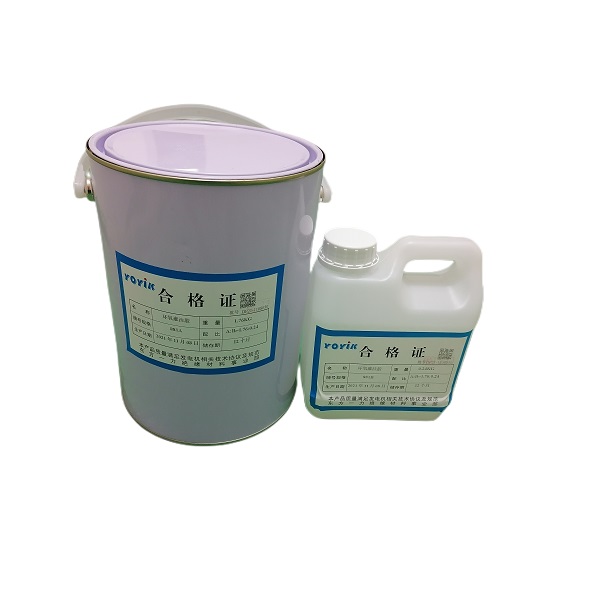


Adhesive Rubber Strips Guarantees Peak Performance Outperforms the Competition
Adhesive rubber strips engineered for peak performance deliver reliable sealing, vibration damping, and edge protection across industries. Precision die-cutting and consistent tolerances ensure a perfect fit every time, while advanced adhesive formulations provide strong initial tack and long-term bond under temperature, UV and moisture exposure. Compared with standard alternatives, these strips offer superior resilience, reduced maintenance cycles and a lower total cost of ownership. Designed for global procurement, our production capabilities support customization in dimensions, adhesive types and surface treatments, with strict quality control and scalable volumes to meet both prototype and mass-production needs. Competitive lead times, flexible minimum orders and efficient logistics make these adhesive rubber strips an ideal choice for OEMs and distributors seeking durable, high-performance sealing solutions that outperform the competition.
| Property | Unit | Test Method | Typical Value | Notes |
|---|---|---|---|---|
| Primary Material | — | Material sheet analysis | EPDM (ethylene‑propylene diene monomer) | Good ozone and weather resistance; common for outdoor seals |
| Alternative Material Options | — | Specification | Nitrile (NBR), Neoprene (CR) | Selected per chemical/temperature exposure |
| Density | g/cm³ | ISO 1183 | 1.10 – 1.30 | Depends on filler loading |
| Hardness (Shore A) | Shore A | ASTM D2240 / ISO 7619 | 50 – 75 | Medium-firm for sealing + cushioning balance |
| Tensile Strength | MPa | ASTM D412 / ISO 37 | 6 – 20 MPa | Higher for reinforced formulations |
| Elongation at Break | % | ASTM D412 | 200 – 600% | High elasticity supports repeated compression |
| Tear Strength | kN/m | ASTM D624 | 20 – 70 kN/m | Measured by type of rubber and reinforcement |
| Peel Adhesion (to steel) | N/cm | FINAT 1 / ASTM D3330 | 2.5 – 7.0 N/cm | Permanent acrylic adhesive typical; varies with surface prep |
| Service Temperature Range | °C | Material data | -40 to +120 °C | Depending on polymer; short peaks may be higher |
| Thermal Conductivity | W/m·K | ASTM C177 / ISO 22007 | 0.15 – 0.25 | Low conductivity — provides some thermal break |
| Compression Set (70 hrs @70°C) | % | ASTM D395 (B) | 10 – 35% | Lower is better for long-term sealing |
| Water Absorption (24 hrs) | % | ASTM D471 | < 0.5% | Minimal swelling in water for EPDM |
| UV / Ozone Resistance | Rating | ISO 1431 / Accelerated weathering | Good – Excellent | EPDM retains flexibility and resists cracking outdoors |
| Chemical Resistance | — | Application matrix | Resistant to water, salts, alkaline; poor to aromatic hydrocarbons | Select NBR for oil resistance |
| Abrasion Resistance (volume loss) | mm³ | DIN ISO 4649 | 80 – 200 mm³ | Lower values indicate more wear resistance |
| Flammability | Standard | FMVSS 302 / ISO 3795 | Self‑extinguishing in many formulations | Details depend on compound and additives |
| Electrical Resistivity | Ω·cm | ASTM D257 | >1×10^12 Ω·cm | Effectively an electrical insulator in typical use |
| Typical Thickness Range | mm | Product specification | 0.8 – 6.0 mm | Custom thicknesses available for compression control |
| Typical Width | mm | Product specification | Up to 50 mm (standard) | Cut-to-width and die-cut options common |
| Color Options (standard) | count | Production catalog | 6 standard colors | Custom color matching available for volume runs |
| Durability (accelerated weathering) | Years (estimate) | QUV / ISO 4892 | 5 – 12 years (application dependent) | Exposure, compression cycles and environment affect life |
| Recyclability | — | Material classification | Limited (thermoset); reclaiming and mechanical recycling possible | Design for disassembly improves end‑of‑life options |
| Slip Resistance (static µ) | Coefficient | ASTM C1028 / ramp tests | 0.40 – 0.70 | Textured face increases traction |
| Quality & Test Standards Referenced | — | Standards list | ASTM D412, ASTM D2240, ASTM D3330, ISO 37, ISO 1431 | Typical industrial test suite for verification |
Related Products


Adhesive Rubber Strips Factory Industry Giant
Top Selling Products


- Related Blog
- Reviews
