

Most people focus on the supply side of a hydraulic system — pump pressure, feed line filtration, that kind of thing. The return side gets less attention, but a clogged oil return filter can cause just as much trouble, sometimes worse, especially when the system needs to react fast. The SFX-100×80 sits right in that return path, and what happens when it starts to clog isn’t something to shrug off.
This gets particularly serious during load rejection events, when the oil motor needs to move quickly and the return line needs to keep up. If it can’t, valve closing gets slower, and that’s exactly the moment you don’t want any delay.
What This Filter Actually Does
The SFX-100×80 is a hydraulic filter installed on the return line of a lubricating oil system, catching contamination before oil gets back to the reservoir. Metal particles, degraded seal material, varnish buildup — all of that gets trapped here instead of recirculating through the system.
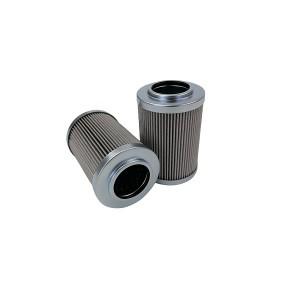
Return line filtration matters because oil coming back from valves, actuators, and bearings tends to carry more debris than clean oil going out. Over time this filter does a lot of the heavy lifting in keeping the whole lubricating oil circuit clean, even though it’s downstream of where most people think the “important” filtering happens.
What Happens When the Filter Starts Clogging
As the SFX-100×80 accumulates debris, resistance to oil flow through it goes up. That resistance shows up as backpressure on the return line — oil that used to flow through easily now has to push against a partially blocked element to get back to the tank.
This backpressure doesn’t stay isolated to the filter housing. It works its way upstream, affecting how fast oil can drain out of the components feeding into that return line, including the oil motor that controls valve movement.
Does This Actually Slow Down Valve Closing?
Yes, and this is where it gets serious. The oil motor relies on oil being able to leave quickly through the return path when a valve needs to close. If the return line filter is clogged and backpressure has built up, that oil doesn’t drain as fast as it should, and the valve closing action slows down.
Under normal operating conditions this might not be obvious — everything still works, just a little slower than ideal, and nobody notices because there’s no urgency. But during a load rejection, when the turbine needs the governing valve to slam shut fast to prevent overspeed, that slower closing time becomes a real problem. Every extra fraction of a second matters in that scenario.
This is really the core reason return line filter condition deserves more attention than it usually gets. It’s not glamorous, but it directly ties into protection system response time.
Getting Early Warning Through DCS Pressure Differential Monitoring
Most systems using a return line filter like the SFX-100×80 include a bypass valve, set to open once differential pressure across the filter reaches a certain threshold. That bypass protects the system from a fully blocked filter causing a complete flow stoppage, but relying on the bypass alone as your only line of defense isn’t really good practice.
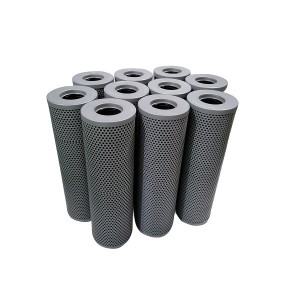
The better approach is catching the clogging trend well before the bypass ever needs to open. That means putting a differential pressure transmitter across the filter and feeding that signal into the DCS, with alarm thresholds set well below the bypass opening point.
Setting Up a Useful Warning Threshold
A single alarm point isn’t enough on its own — a staged approach works better in practice:
- Set an early warning alarm at a differential pressure noticeably below the bypass setpoint, giving maintenance time to plan a filter change during a normal outage window rather than an emergency one.
- Add a second, higher alarm closer to the bypass threshold as a clear signal that action needs to happen soon, not eventually.
- Trend the differential pressure reading over time rather than just watching for alarm triggers — a slow steady rise tells a different story than a sudden jump, and both matter for diagnosis.
Trending is honestly the part that gets skipped most often. A filter that’s climbing slowly over months is behaving normally, doing its job, catching contamination as expected. A sudden spike over a day or two points to something different — maybe a system upset pushing more debris than usual, worth investigating on its own.
| Monitoring Stage | Typical Action |
|---|---|
| Baseline differential pressure | Record as reference after filter replacement |
| Early warning alarm | Schedule filter change at next planned outage |
| High alarm, near bypass setpoint | Prioritize replacement, treat as near-term action |
| Bypass opens | Unfiltered oil circulating, replace filter immediately |
Why Relying Only on the Bypass Valve Isn’t Ideal
The bypass exists for a reason, and it does prevent flow starvation when a return filter gets severely clogged. But once it opens, unfiltered oil is circulating through the system, which isn’t a great long-term condition either — it just trades one problem for another.
Catching the trend early through DCS differential pressure monitoring means you get to replace the filter on your own schedule, during a planned window, instead of reacting after the bypass has already kicked in. That’s a meaningfully different situation for a maintenance team to be in.
Practical Points for Procurement and Maintenance Teams
A few things worth keeping in mind when specifying or maintaining an oil return filter like the SFX-100×80:
- Confirm the differential pressure transmitter range and bypass setpoint are documented clearly in your commissioning records, not just assumed from a generic spec sheet.
- Check filter element compatibility carefully before ordering replacements — dimensions and micron rating both need to match the original spec, not just the housing size.
- Review DCS alarm setpoints periodically, especially after any system modification, since a bypass valve replacement or line change can shift the actual opening pressure slightly from the original design value.
If your plant is reviewing return line filtration as part of a broader hydraulic system reliability check, it’s worth requesting the SFX-100×80 filter specification sheet alongside your existing differential pressure alarm settings — comparing them side by side tends to reveal gaps that aren’t obvious from either document alone.
Final Thoughts
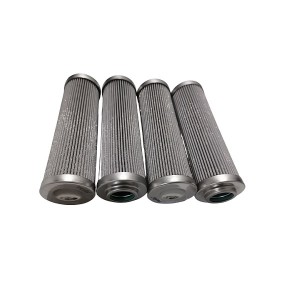
The SFX-100×80 oil return filter doesn’t get the attention that supply-side filtration usually gets, but its condition has a direct line to valve closing performance during the exact moments protection systems are designed for. A clogged return filter raises backpressure, slows oil motor return flow, and that delay shows up right when speed matters most.
Setting up proper DCS differential pressure monitoring, with alarm thresholds staged well ahead of the bypass setpoint, gives maintenance teams the lead time to handle filter changes on their own terms rather than scrambling after the fact. It’s a small piece of the system, but the consequences of ignoring it aren’t small at all.
Post time: Aug-12-2026
-

Epoxy Phenolic Anti-Corona Laminated Glass Clot...
-

Generator room temperature curing adhesive HDJ-16
-

WJ series hydrogen system bellows globe valve
-

High resistance anti corona paint DFCJ1018
-

EH oil actuator filter DP6SH201EA03V/-W for Ste...
-

Three valve manifold HM451U3331211
-

Sealing Oil Vacuum Oil Tank Float Valve BYF-80
-

Stainless Steel Oil Level Meter DYW-250
-

Rotation Speed Sensor ZS-03
-

Industrial filtration Lube oil system Lube filt...
-

Low resistance anti-corona tape
-

Double gear Pump GPA2-16-16-E-20-R6.3