

Ask five different engineers when a suction filter needs changing and you’ll probably get five different answers. Some go by the differential pressure alarm, some just track running hours on a spreadsheet, some pull the filter during outages and check the reservoir bottom for sludge. The TZX2-BH-1000×20W, sitting right at the pump inlet on a hydraulic suction line, is one of those components where the “right” answer honestly depends on more than one signal, not just one.
This matters more than it sounds like on paper. A suction filter that’s starting to clog doesn’t fail quietly — it can starve the pump of flow, and depending on your bypass valve setup, that can turn into a whole different problem involving how often the bypass kicks in.
What This Filter Is Doing in the System
The TZX2-BH-1000×20W sits on the suction side, between the reservoir and the pump inlet, catching particles before they ever reach the pump. This is a different job than a return line filter — suction filtration is about protecting the pump itself from ingesting debris that could damage internal components, not just cleaning oil that’s already circulated.
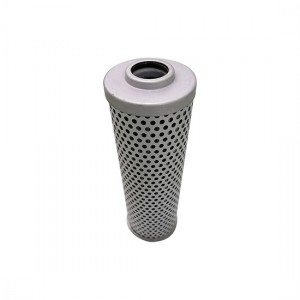
Because it’s upstream of the pump, a clogged suction filter creates a different kind of problem than a clogged return filter does. Instead of backpressure building somewhere downstream, you get reduced flow into the pump, which can lead to cavitation if it gets bad enough. That’s a much less forgiving failure mode.
Three Ways People Track Replacement Timing — And Why None of Them Alone Is Enough
Going by Differential Pressure Alarm
This is probably the most common method, and for good reason — it directly measures how restricted the filter actually is, rather than guessing based on time. A pressure transmitter across the filter feeds a signal to the DCS, and once differential pressure crosses a set point, an alarm fires telling maintenance it’s time to plan a change.
The upside here is obvious: you’re reacting to actual filter condition, not an estimate. The downside is that pressure alarms alone don’t tell you why the filter is clogging faster or slower than expected, and they can miss slow degradation if the alarm threshold is set too loose.
Going by Cumulative Running Hours
Some plants just track hours since the last filter change and swap it out on a fixed schedule, regardless of what the pressure differential says. This has the benefit of being predictable — easy to plan into an outage schedule, easy to budget for.
But oil cleanliness doesn’t always correlate neatly with running hours. A system that’s had a recent contamination event, maybe from a maintenance activity elsewhere in the loop, can clog a filter much faster than the hour-based schedule accounts for. Relying on hours alone risks either changing filters too early, wasting good elements, or too late, missing a real clogging trend.
Checking Reservoir Bottom Sediment
This one gets skipped more than it should. Pulling a sample or physically inspecting the bottom of the oil reservoir during an outage tells you something the other two methods can’t — whether contamination is actually settling out, and how much of it there is. A suction filter can be reading fine on differential pressure while sediment is quietly building up in the tank, waiting to get stirred up during a load change or pump restart.
It’s not something you can check continuously, obviously, since it requires physical access. But doing it periodically, especially during scheduled outages, catches problems the online instrumentation just can’t see.
So Which Method Should You Actually Use?
Realistically, none of these three should be used entirely on their own. The differential pressure alarm gives you the most direct, real-time indication of filter condition, and it should be the primary trigger for replacement decisions. Running hours work well as a secondary check — a rough sanity check on whether the pressure trend looks reasonable for the time elapsed.
Reservoir inspection during outages fills the gap neither of the other two can cover, catching sediment buildup and giving a physical confirmation of what’s actually happening inside the tank, not just what’s happening across the filter element.
| Method | Strength | Limitation |
|---|---|---|
| Differential pressure alarm | Direct, real-time filter condition | Can miss contamination sources; depends on correct threshold |
| Cumulative running hours | Predictable, easy to schedule | Doesn’t account for unusual contamination events |
| Reservoir sediment check | Catches settled contamination other methods miss | Only possible during outages, not continuous |
The Bypass Valve Margin Question
This is where things get more technical, and it’s worth slowing down on. Every suction line filter with a bypass valve has some pressure differential at which the bypass opens, allowing oil to flow around a clogged element rather than starving the pump entirely. The differential pressure alarm is supposed to warn you well before that point is reached.
If the margin between the alarm setpoint and the bypass opening pressure is too tight, there isn’t much time between “alarm goes off” and “bypass opens” — and that’s a real problem, not just a theoretical one.
Does a Tight Margin Cause Frequent Bypass Opening?
Yes, this is a legitimate concern, and it happens more often than people expect. If the alarm and bypass setpoints sit too close together, normal fluctuations in oil viscosity — from temperature swings, for example — can be enough to push differential pressure past the bypass point even when the filter isn’t seriously clogged yet.
The result is a bypass valve that opens more often than it should, sometimes cycling open and closed as conditions fluctuate slightly around the threshold. Beyond being an operational nuisance, frequent bypass opening means unfiltered oil is reaching the pump more often than the system was designed to allow, which isn’t something to treat casually over the long run.
A few things worth checking if this pattern shows up at your site:
- Review the actual pressure margin between alarm setpoint and bypass opening — compare it against the manufacturer’s recommended gap, not just whatever value was set during original commissioning.
- Check whether oil viscosity swings with seasonal or load-related temperature changes are enough on their own to account for the pressure shifts you’re seeing.
- Confirm the bypass valve itself is functioning correctly and not opening prematurely due to spring wear or a calibration drift unrelated to actual filter condition.
Widening the margin, where the system design allows it, generally solves this. It’s a conversation worth having with your instrumentation team rather than just living with frequent bypass cycling as a normal condition.
A Practical Approach for Procurement and Maintenance Planning
When specifying or replacing a suction filter like the TZX2-BH-1000×20W, it helps to look at the whole picture rather than any single metric in isolation:
- Set the differential pressure alarm with a documented, adequate margin below the bypass setpoint, not just a default value carried over from a similar system.
- Pair pressure monitoring with a running-hours log as a cross-check, so unusual trends get flagged even if the alarm hasn’t fired yet.
- Schedule reservoir sediment checks during planned outages, particularly for older systems or ones that have had recent contamination incidents.
If your plant is reviewing suction line filtration practices or planning a replacement cycle for the TZX2-BH-1000×20W, it’s worth pulling your current alarm and bypass setpoint records together first — comparing them side by side often shows whether the margin issue described here applies to your system.
Final Thoughts
There isn’t one single right way to decide when a suction filter needs changing. Differential pressure alarms, running hours, and physical reservoir checks each catch something the others miss, and using all three together gives a much more complete picture than relying on any one of them alone.
The margin between alarm setpoint and bypass opening pressure deserves particular attention, since getting it too tight can turn a protective feature into a recurring nuisance, with unfiltered oil reaching the pump more often than the system was ever meant to allow. A bit of review here tends to pay off well beyond the cost of the filter element itself.
Post time: Aug-12-2026
-

Lubricating oil filter element 21FC5128-160X600/25
-

Lubricating oil filter element LY-48/25W
-

TD-2 Steam Turbine Heat Thermal Expansion Sensor
-

EH Circulating Junction oil filter QTL-250
-

Sealing Ring of Generator Hydrogen Cooling System
-

Stainless Steel Bellows Globe Valve WJ40F-1.6P
-

Single Channel Speed Monitor D521.02
-

BFPM hydraulic coupling oil filter DU631.3080.2...
-

F3-V10-1S6S-1C20 DEH system EH oil circulating ...
-

Hydraulic Oil Cycle Pump Suction Filter WU-63&#...
-

lubricating oil filter element 2-5685-0154-99
-

DFSS type steam turbine cylinder sealing grease