

The EH oil system on a steam turbine runs on fire-resistant hydraulic fluid — expensive, chemically sensitive, and unforgiving when it gets contaminated. Most of the protection work happens inside the system, through pressure filters and fluid conditioning equipment. But there’s a small component sitting on top of the oil tank that’s just as important for long-term fluid cleanliness: the air breather.
The DC-4 is that component. It filters the air that enters the EH oil tank as fluid levels rise and fall during normal operation. What comes in through that breather directly affects the condition of the fluid inside, so the choice of air filter, its condition, and whether it’s suited to the installation environment all matter more than they might appear to at first glance.
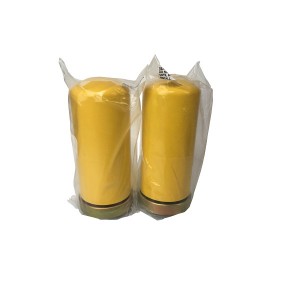
What the DC-4 Air Filter Actually Does
Every vented oil tank breathes. As oil is pumped out or returned, the tank needs to equalize pressure with the surrounding atmosphere, which means air flows in and out through a vent path. Without filtration on that path, unfiltered ambient air — carrying moisture, dust, and fine particulate matter — goes straight into the fluid.
For a conventional mineral oil system, this causes gradual contamination buildup that shortens fluid life and damages components over time. For an EH oil system using phosphate ester fire-resistant fluid, it’s a more acute problem. Phosphate ester fluids are hygroscopic — they absorb water readily — and elevated water content changes the fluid’s acid number, degrades its electrical resistivity, and accelerates servo valve wear. Even small amounts of regular moisture ingress add up quickly.
The DC-4 air filter sits on top of the EH oil tank and handles this filtration job. It captures particulate matter down to its rated filtration level and includes desiccant material to absorb moisture from incoming air before it reaches the fluid. Most units use silica gel or a similar hygroscopic desiccant, which is visible through a sight glass and changes color as it becomes saturated — giving a visual indicator of remaining service life.
Where It’s Installed and What That Means for Performance
The DC-4 mounts directly to the top of the EH oil tank, typically on a threaded or flanged port, and is fully exposed to the ambient environment. In a well-controlled turbine hall with stable temperature and humidity, this installation is straightforward and the breather performs as expected.
Outdoor installations, or turbine halls with poor environmental control, are a different situation. Dust-heavy environments accelerate particulate loading on the filter element. High ambient humidity saturates the desiccant faster than in dry conditions, shortening the replacement interval considerably. In some coastal or high-humidity industrial settings, a standard DC-4 breather might reach its moisture capacity in a fraction of the time it would in a controlled indoor environment.
This doesn’t mean the DC-4 is unsuitable for these conditions — it means the replacement schedule and monitoring approach need to account for the actual environment, not just a standard maintenance interval.
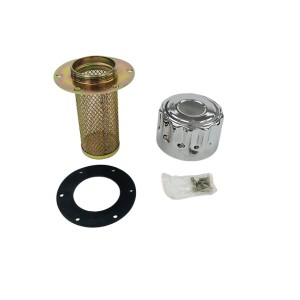
Is the Standard DC-4 Enough for Dusty or High-Humidity Environments?
The honest answer is: it depends on the severity of the conditions and how closely the breather is monitored.
In moderately dusty environments — a typical coal-fired power plant turbine hall, for example — the DC-4′s particulate filtration is generally adequate as long as the element is replaced before it becomes heavily loaded. A clogged filter element restricts airflow, which can cause the tank to develop a partial vacuum during fluid drawdown, and that creates its own set of problems. Monitoring the desiccant indicator and replacing on condition rather than a fixed calendar schedule is the more reliable approach here.
In extremely dusty outdoor environments, or where the breather is directly exposed to wind-driven dust and debris, a protective cover or shroud over the breather inlet can extend element life significantly. These covers don’t impede airflow when properly sized — they just reduce the direct impingement of heavy particulate on the filter face.
For high-humidity locations, some plants opt for larger-capacity desiccant breathers that hold more desiccant material and go longer between replacements. Whether this makes sense depends on how difficult access is and how much labor is involved in each replacement. If the tank is easy to reach and replacement takes ten minutes, more frequent changes with a standard DC-4 may be perfectly reasonable. If access is difficult or the system is in an unmanned remote location, a larger-capacity unit makes more sense operationally.
Cold Weather and the Risk of Ice Blocking the Breather
This is a genuine concern in cold climates, and it doesn’t get addressed as often as it should in standard maintenance guidance.
The DC-4 air filter handles moisture by trapping it in the desiccant before it reaches the fluid. But in very cold conditions — particularly during startup after a cold soak, or when ambient temperatures drop well below freezing — moisture that has accumulated in the breather housing or on the filter element can freeze. Ice formation restricts or completely blocks the airflow path through the breather.
A blocked breather on a running EH oil system creates a vacuum in the tank as the system draws fluid. Depending on the system design and how airtight the tank is, this can cause cavitation in the pump, erratic servo valve behavior, or trigger low-level alarms. In some cases, the blockage isn’t noticed until a fault develops downstream.
Plants operating in cold climates have handled this in a few different ways:
- Installing insulating covers or heat-traced enclosures around the breather to keep it above freezing during cold periods
- Using breathers with a wider airflow path that are less susceptible to partial blockage from ice crystals
- Increasing inspection frequency during cold weather periods and checking for restricted airflow before and after cold overnight shutdowns
- Positioning the breather on the tank in a location with some shelter from direct cold wind exposure, where the installation allows
None of these solutions is complicated, but they do require recognizing that a breather suitable for a temperate climate isn’t necessarily suitable for a northern winter installation without some additional consideration.
Selecting the Right Specification for Your Installation
The DC-4 is a defined product within the EH oil system component family, but that doesn’t mean one configuration suits every installation equally. When specifying or reordering, it’s worth reviewing the installation conditions against the breather’s rated capacity.
| Installation Condition | Potential Issue | Recommended Approach |
|---|---|---|
| Controlled indoor turbine hall | Minimal additional risk | Standard DC-4, condition-based replacement |
| Dusty outdoor or industrial environment | Rapid particulate loading | Add protective inlet shroud, shorten inspection intervals |
| High humidity or coastal location | Fast desiccant saturation | Monitor indicator closely, consider larger-capacity unit |
| Cold climate, sub-zero temperatures | Ice formation blocking airflow | Insulating cover, heat trace, or cold-weather breather variant |
| Remote or infrequently accessed installation | Missed replacement interval | Higher-capacity desiccant breather, remote differential monitoring |
How to Tell When the DC-4 Needs Replacing
The desiccant indicator is the primary visual check. Most DC-4 units use a color-change desiccant — typically blue when dry, turning pink or white when saturated. Once the desiccant is fully saturated, the breather loses its ability to remove moisture from incoming air, and every breath the tank takes introduces water directly into the EH fluid.
Particulate loading is harder to see visually from the outside. Some plants track differential pressure across the breather using a simple indicator, which flags when airflow resistance has increased to the point where replacement is needed. This is a more reliable method than visual inspection alone, particularly in dusty environments where the exterior of the unit may look dirty long before the element is actually clogged enough to restrict flow.
A saturated or clogged air filter on an EH oil tank tends to show up indirectly — through rising water content in routine fluid analysis, through unexplained increases in acid number, or through pump cavitation symptoms during periods of heavy fluid demand. By the time these symptoms appear, the breather has usually been overdue for replacement for some time.
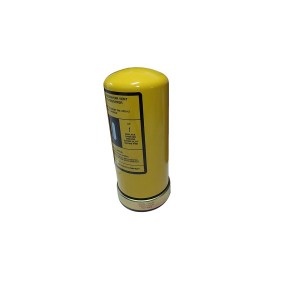
Maintenance Practices Worth Building Into the Schedule
The DC-4 air filter is a consumable, and treating it that way in the maintenance schedule — with defined inspection points and clear replacement criteria — prevents the kind of gradual contamination that’s difficult to reverse once it’s established in the EH fluid.
- Check the desiccant color indicator at each routine EH system inspection, not just during scheduled filter service
- Pull a fluid sample for water content and acid number analysis at defined intervals — these are the early warning signs of breather failure
- Replace the DC-4 proactively when the desiccant indicator shows two-thirds saturation, rather than waiting for full color change
- After any cold shutdown, confirm the breather airflow path is clear before returning the system to service
If you’re reviewing your EH system’s power plant filter specifications or looking to confirm the correct DC-4 replacement for a specific turbine configuration, working with a supplier who can verify the part against your system documentation is a straightforward way to avoid compatibility questions later. The component is small, but what it protects is worth treating it carefully.
Post time: Jul-01-2026
-

Platinum Resistor Temperature Sensor WZPM-201
-

Regeneration oil pump suction filter HQ25.300.12Z
-

DF6101 Steam turbine magnetic rotation speed se...
-

Generator stator cooling water filter SWFY3 DN100
-

RCV actuator filter HQ25.10Z
-

Generator stator cooling water filter SGLQ-1000A
-

SL-1250 Generator stator cooling water filter e...
-

Generator Epoxy adhesive DFCJ1306
-

Magnetic Liquid Level Indicator UHZ-519C
-

BFPT LUBE oil filter element RLFDW/HC1300CAS50V02
-

Cooling fan YB2-132M-4
-

Oil purification filter element QF1D350CG03HC