

If you work around hydraulic systems in a power plant, you already know that keeping the fluid clean is half the battle. Servo valves, actuators, control cylinders — these things have incredibly tight internal clearances, and once contamination gets into the oil circuit, it doesn’t just disappear. It circulates, wears things down, and eventually shows up as an expensive repair.
The 0160D005BN3HC is a pleated hydraulic filter element built for this kind of application. Here’s what it actually does, how to read the part number, and — probably the part most maintenance teams care about — how to swap it out without accidentally making the contamination problem worse.
Why Pleated and Not Something Simpler
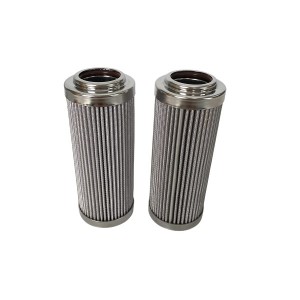
A pleated filter element folds the filter media into peaks and valleys along its length — like an accordion — instead of wrapping flat media around a core. That geometry squeezes a lot more surface area into the same physical size.
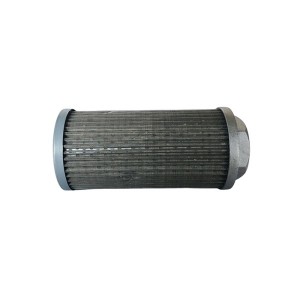
More surface area means the element can hold more dirt before it needs replacing. It also keeps fluid velocity through the media lower, which matters when the system sees sudden flow spikes — like when multiple actuators are moving at the same time. Flat or wound media under those conditions is more likely to push fine particles through rather than capturing them.
The media itself is borosilicate glass fiber — that’s what “BN” stands for in the part number. Glass fiber gives you consistent pore sizing and handles most hydraulic fluid chemistries without breaking down. It’s the standard choice for high-efficiency hydraulic filtration for good reason.
Breaking Down the Part Number
The 0160D005BN3HC part number looks like a random string until you know what each section means. It’s actually carrying a lot of useful information.
- 0160 — flow capacity, sized for systems around 160 L/min
- D — element series, tied to the housing type and connection standard
- 005 — 5-micron filtration rating
- BN — borosilicate glass fiber media
- 3HC — collapse pressure rating and seal materials for standard hydraulic fluid service
The 5-micron rating is the number that matters most for cleanliness targets. Most servo valves in turbine governing and EH oil systems need fluid cleanliness at ISO 4406 levels of 16/14/11 or better. Getting there and staying there requires fine filtration, and a 5-micron element in the right location is one of the main tools for that.
Where This Filter Fits in the Oil Circuit
The 0160D005BN3HC is designed for return line or offline (kidney loop) filtration. Return line placement is effective because everything coming back from actuators and valves passes through before going back to the reservoir — so anything generated anywhere in the circuit gets caught before it recirculates.
In power plant hydraulic systems — EH oil circuits, steam turbine governing systems, gate actuators — cleanliness standards are tight. A servo valve damaged by particulate contamination costs far more to replace than a consistent filter element program would have over years of operation. That’s not an exaggeration, it’s just the math of how these systems work.
If you’re sourcing a replacement and aren’t 100% sure the 0160D005BN3HC is the right fit for your housing, it’s worth checking with your supplier before ordering — especially if you’re cross-referencing from an older parts list.
Differential Pressure: The One Number to Watch
Filter elements don’t fail all at once. They load up gradually, and as they do, the pressure difference between inlet and outlet — differential pressure — climbs. Most hydraulic filter housings have a differential pressure indicator or switch to track this.
When differential pressure hits the bypass threshold (usually somewhere between 6 and 10 bar depending on the housing), the bypass valve opens. That keeps the system flowing, but now unfiltered oil is going straight through. You want to replace the element at or before that point, not after.
One thing to keep in mind: cold oil is thicker, so a clean element will show higher differential pressure during cold startup. Some housings have temperature-compensated indicators to handle this. If yours doesn’t, don’t panic over a high reading first thing in the morning — let the system warm up and check again before pulling the element.
Replacing the Element the Right Way
This is where things can go wrong if the job gets rushed. Replacing a hydraulic filter looks simple, but there are a few points where contamination can get back into the system if you’re not careful.
Isolation and Pressure Relief First
Before touching the housing, close the isolation valves and relieve any trapped pressure. Return lines can still hold residual pressure from loaded actuators or check valves — don’t assume it’s safe just because it’s a return line. Cycle the actuators if you can to bleed pressure off, and confirm zero pressure before loosening anything.
This isn’t just procedure for the sake of it. A housing cap coming off under pressure is a real hazard, and hydraulic fluid at any temperature causes burns.
Drain the Housing Before Pulling the Element
Once the pressure is off, drain the housing. The oil sitting in there has been in contact with everything the element captured — sludge, fine particles, possibly water. If you skip the drain and just yank the element out, that contaminated oil goes everywhere, and some fraction of it ends up back in the system when you close it up.
Drain into a clean container and take a look at what comes out. Unusual color, visible grit, or a burnt smell are worth noting — they can tell you something useful about what’s going on in the circuit beyond just a loaded filter.
Clean the Housing Before the New Element Goes In
Wipe the inside of the housing down with a clean, lint-free cloth. Check the sealing surfaces. Replace O-rings or seals if they look deformed or nicked — a new element behind a bad seal is going to bypass fluid from the moment you restart.
When you put the new 0160D005BN3HC in, be careful not to crush or deform the pleats during insertion. Make sure it’s seated fully and centered before closing up. A filter that’s slightly off-center can bypass around the sealing end cap rather than through the media.
Quick Reference: Key Specifications
| Parameter | Detail |
|---|---|
| Filter media | Borosilicate glass fiber (Betamicron) |
| Element construction | Pleated |
| Filtration rating | 5 microns |
| Nominal flow rating | 160 L/min |
| Typical application | Hydraulic oil circuit return line or offline filtration |
| Fluid compatibility | Standard mineral hydraulic oils; verify for specific fluid types |
The Bigger Picture on Oil Cleanliness
There’s a pretty direct line between how clean the hydraulic oil is and how long the components last. Particles at or above the clearance size of internal valve and pump surfaces cause abrasive wear every time they pass through. The wear generates more particles. Those circulate and cause more wear. It compounds.
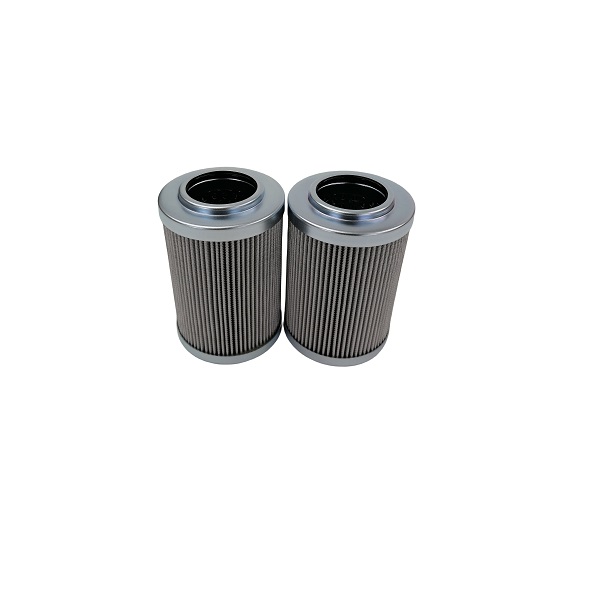
A 5-micron pleated hydraulic filter replaced on time, in the right location in the circuit, breaks that cycle. The element costs a fraction of what any of the downstream components cost to repair or replace.
Plants that pull oil samples on a schedule and use the cleanliness data to fine-tune their replacement intervals — rather than just following a fixed calendar — tend to catch problems earlier and avoid the kind of surprises that show up as emergency work orders. It’s not complicated, but it does require actually doing it consistently.
If you need to confirm that the 0160D005BN3HC is the right specification for your housing and system setup, a supplier with decent technical support can usually sort that out quickly if you give them the housing model and system pressure details. Better to check before ordering than to find out the hard way during installation.
Post time: Jul-01-2026
-

Boiler water cooling wall tube of power plant
-

EH oil main pump PVH074R01AB10A250000002001AE010A
-

CQJ type accumulator Gas charging tool
-

Boiler Air Preheater Infrared array probe HSDS-...
-

TDZ-1E series linear displacement transducer LV...
-

AST/OPC solenoid valve SV4-10V-C-0-00
-

Vibration speed Sensor HD-ST-A3-B3
-

Epoxy Phenolic Laminated Glass Fabric Slot Wedg...
-

Actuator Inlet Working Oil Filter DP301EA10V/-W
-

Gas turbine actuator filter DP309EA10V/-W
-

Generator slot Sealant 730-C
-

Regeneration device cation filter PA810-001D