

Power plant lubrication systems run continuously, which means the filtration equipment protecting them has to keep up without forcing a shutdown every time the filter element needs servicing. That’s the basic idea behind the SLQ-25 duplex filter — two filter canisters, one working, one on standby, switched over using a six-port directional valve without stopping flow.
It sounds simple on paper. In practice, the switching step raises a question that doesn’t get talked about enough: what’s actually sitting inside that standby canister before you switch to it, and is it safe to just open the valve and let flow through.
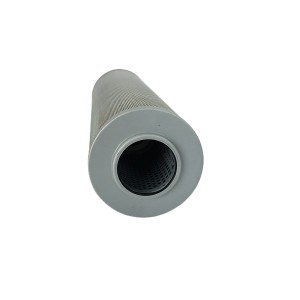
What the SLQ-25 Filter Element Is and How It’s Built
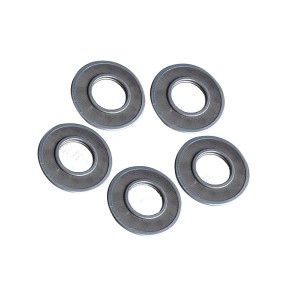
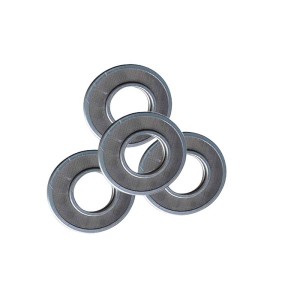
The SLQ-25 is the filter element used in the SLQ series duplex mesh filter. The element itself is made from stacked stainless steel mesh discs, layered and pressed together to form the filtering structure. This mesh-stack design is fairly common in industrial filtration because it offers a large filtering surface area in a compact element, and stainless steel holds up well against the oils and operating temperatures typical of these systems.
The duplex filter housing has two canisters mounted side by side, each one capable of holding a full SLQ-25 element. A two-position six-way directional valve sits between them, controlling which canister the oil flow passes through at any given time. Switching the valve position redirects flow from one canister to the other.
This setup is built for systems where you genuinely cannot afford downtime for filter servicing. Thin-oil lubrication stations — particularly in power plant lubricating oil systems and coal mill (pulverizer) thin-oil stations — fall right into that category. These systems need continuous lubrication for rotating equipment, and stopping flow even briefly isn’t something operators want to do unless there’s no other option.
One Canister Working, One on Standby — What That Means Day to Day
The duplex configuration runs with one canister actively filtering oil while the second sits idle, ready to take over. When the working element gets dirty enough that differential pressure rises past an acceptable level, the operator switches the valve, and flow moves to the clean standby canister. The dirty element can then be serviced or replaced without interrupting lubrication to the equipment downstream.
This is the entire appeal of a duplex filter over a single-canister design. No shutdown, no interruption to the oil supply, and servicing can happen on a normal maintenance schedule rather than during an emergency stoppage.
But there’s a detail that gets missed sometimes — the standby canister isn’t actually empty while it’s sitting idle.
What’s Really Sitting in the Standby Canister
When a canister isn’t in active service, it still holds oil. That oil doesn’t go anywhere on its own — it just sits there, sometimes for weeks or months, depending on how often the system switches canisters.
Over time, oil that’s been sitting still tends to accumulate sediment. Heavier particles settle out toward the bottom of the canister. Water content, if there’s any moisture in the system at all, separates and pools at low points. Sludge can form gradually, particularly if the oil has been sitting for an extended period without circulation.
None of this is unusual or a sign of a problem. It’s just what happens to oil that’s not moving. The issue only comes up at the moment you switch the valve and send flow through that canister again.
The Real Risk: Switching Without Draining and Flushing First
If the standby canister is brought online by simply opening the valve — without draining the accumulated sediment and water first, and without flushing the canister — all of that settled contamination gets pushed directly into the active oil flow. Sludge, water, particulate buildup, all of it goes straight downstream toward the bearings, journals, or other lubricated components the system is supposed to be protecting.
This defeats the entire purpose of having a duplex filter in the first place. The whole reason for using a filter is to keep contamination out of the lubrication system. A rushed switchover that introduces a slug of accumulated sediment does the opposite, right at the moment the system is relying on clean oil reaching the equipment.
For a power plant oil filter system feeding critical rotating machinery, this isn’t a minor inconvenience. Contaminated oil reaching a bearing, even briefly, can cause wear that shows up much later as a vibration problem or a bearing failure — and by then it’s hard to trace back to a rushed filter switchover that happened weeks earlier.
Should Draining and Flushing Be a Mandatory Step Before Switching?
Yes, and most well-run thin-oil lubrication stations treat it that way. Before switching flow to the standby canister, the standard practice is to drain the accumulated oil from the bottom of the canister, then flush it through before opening the canister fully to system flow.
A typical pre-switch sequence looks something like this:
- Open the drain valve on the standby canister and let accumulated oil, water, and sediment drain out
- Inspect the drained fluid — heavy sediment or visible water content is a sign the canister needs a more thorough flush
- Flush the canister with clean oil if the drained sample shows significant contamination
- Close the drain valve once flushing is complete
- Operate the six-way directional valve to bring the standby canister online
- Monitor differential pressure and oil cleanliness readings closely for a short period after switching
This isn’t an overly complicated procedure, but it does take a few extra minutes that get skipped sometimes — particularly during a rushed shift handover or when the working canister’s differential pressure has already climbed higher than it should have.
Is This Actually Practical on the Plant Floor?
This is a fair question, and a reasonable one to ask before assuming every plant follows the procedure properly. The honest answer is: it depends on whether the duplex filter housing has a properly accessible drain valve, and whether the maintenance schedule actually builds in time for this step rather than treating canister switching as something that happens only in an emergency.
Some plants run into a practical problem here. If switching only happens reactively — meaning the working canister differential pressure has already hit the alarm point before anyone thinks about the standby side — there’s pressure to switch quickly, and the drain-and-flush step gets rushed or skipped.
A better approach, and one that several power plants have adopted, is to drain and flush the standby canister on a scheduled basis, independent of when an actual switchover is needed. That way, the standby canister is always ready to go, and switching becomes a quick, low-risk operation rather than something that requires an extra ten minutes of draining under time pressure.
- Schedule periodic draining of the standby canister, even if no switchover is imminent
- Keep drain valves accessible and clearly labeled to avoid delays during the actual procedure
- Document drained fluid condition each time, to track whether contamination buildup rates are changing
- Train operators on the full sequence, not just the valve operation step
Quick Reference: SLQ-25 Duplex Filter Overview
| Feature | Detail |
|---|---|
| Element construction | Stacked stainless steel mesh discs |
| Housing configuration | Dual canister, one working / one standby |
| Switching mechanism | Two-position six-way directional valve |
| Typical application | Thin-oil lubrication stations, power plant lube oil systems, coal mill thin-oil stations |
| Pre-switch requirement | Drain and flush standby canister before bringing online |
Why the Procedure Matters as Much as the Hardware
The SLQ-25 filter element and the duplex housing design solve the uptime problem well — that part of the engineering is solid. But a duplex filter is only as good as the procedure around it. A well-built filter that gets switched carelessly can introduce exactly the kind of contamination it’s supposed to prevent.
Plants that write the drain-and-flush step into a formal switching procedure, rather than leaving it to operator judgment in the moment, tend to avoid the contamination spikes that show up after a rushed canister change. It’s a small procedural addition that protects the investment already made in the filtration equipment.
If you’re specifying or replacing filter elements for an SLQ series duplex filter, confirming the correct SLQ-25 specification with your supplier — and checking that your duplex housing has accessible, well-positioned drain valves — is worth doing before the equipment goes into service rather than after a contamination issue forces the question.
Post time: Jun-30-2026
-

Hydraulic Accumulator NXQ-A-6.3/31.5-L-Y
-

ACCUMULATOR BLADDER NXQ 40/31.5-L-E
-

Hydraulic oil return filter element CRA110CD1
-

Stator Cooling Water Pump YCZ50-250C
-

793 Room temperature curing epoxy dipping adhesive
-

EH oil actuator filter DP6SH201EA03V/-W for Ste...
-

30-150-207 regeneration device diatomite oil fi...
-

Epoxy-ester air-drying red insulating varnish 9130
-

FY-40 floating valve of Generator seal oil floa...
-

Regeneration device anion filter AZ3E303-05D01V/-W
-

Single Channel Speed Monitor D521.02
-

22FDA-F5T-W220R-20LBO cone valve type plug sole...