

Every plant running phosphate ester EH oil has some version of this scenario in the back of a maintenance planner’s mind. The main pump outlet filter, the JCA-002, has been climbing toward its differential pressure alarm for a while now. The unit can’t come offline for a filter change right now — maybe it’s peak demand season, maybe there’s no outage window for another six weeks. The alarm fires. And now everyone’s asking the same question: how long do we actually have?
This article walks through that situation as a timeline, because that’s really how it plays out in real time — one stage leading into the next, each one with a different level of urgency.
Stage One: Why This Filter Sits Where It Does
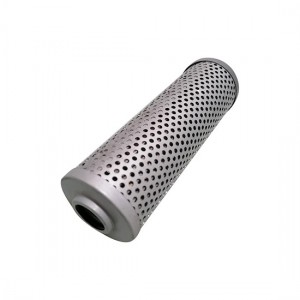
The JCA-002 sits right at the main high-pressure pump outlet, positioned specifically ahead of the servo valves it’s protecting. This location matters — it’s the last line of defense before EH oil, already pressurized and ready to do precision control work, reaches components with clearances measured in microns. Nothing downstream of this filter is designed to tolerate meaningful contamination.
That’s also exactly why this particular filter tends to load up faster than some others in the system. It’s catching everything the pump itself might generate — wear particles from pump internals, any residual contamination in the fluid — before that material has a chance to reach anything more sensitive.
Stage Two: The Alarm Fires — What’s Actually Happening Right Now
When differential pressure across the JCA-002 crosses the alarm setpoint, the filter media has reached a level of loading where flow resistance has increased meaningfully. At this exact moment, oil is still being filtered — the alarm doesn’t mean the filter has stopped working, it means the filter is approaching the point where it will stop working effectively.
This is the point where the clock genuinely starts. The alarm setpoint isn’t set at the moment of failure — it’s set with margin, specifically to give operations and maintenance a window to respond before things get worse. But that margin isn’t indefinite, and it isn’t the same for every installation, since it depends on how fast the filter was loading when the alarm triggered and how much additional capacity remains before the bypass valve setpoint is reached.
What Determines the Length of This Window
- The rate at which differential pressure was climbing in the period leading up to the alarm — a slow, gradual climb over months suggests more remaining time than a sharp recent increase over just days.
- The pressure margin actually programmed between the alarm setpoint and the bypass valve’s opening pressure — a wider margin buys more decision-making time, a tighter margin compresses it.
- Current system operating conditions — higher flow demand or more frequent servo valve cycling can accelerate pressure buildup across an already-loading filter compared to steady, lower-demand operation.
Because these variables differ by installation, there isn’t one universal number that applies everywhere. But as a general planning principle, this window should be measured in hours to a small number of days for most systems with reasonably designed margins — not weeks. Treating an alarm as something to schedule for “next available outage” without checking the actual trend data is a real risk.
Stage Three: The Bypass Opens — Unfiltered Oil Is Now Flowing
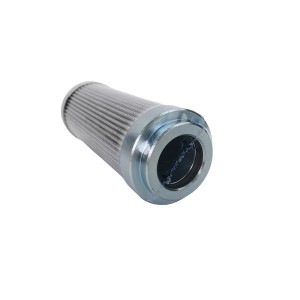
If the filter isn’t changed in time and differential pressure continues climbing past the bypass valve’s setpoint, the bypass opens. From this moment forward, oil is flowing around the filter element rather than through it, and that oil — carrying whatever contamination the filter was catching — is now reaching the servo valves directly.
This is a materially different situation than the alarm stage. Before the bypass opens, you have a loading filter but still-filtered oil. After it opens, you have contamination actively reaching precision components that were never designed to tolerate it. The urgency level changes completely at this point.
How Much Time Is Left Once the Bypass Is Open?
This is genuinely the harder question to answer with a fixed number, because servo valve damage from contamination isn’t a simple countdown timer — it depends heavily on how contaminated the oil actually is once bypassing begins, and how sensitive the specific servo valves in that circuit are to particulate.
What can be said with confidence: this is now a matter of hours, not days, for most systems, and in cases of significant contamination it can be considerably less than that. Servo valve internals with micron-level clearances can begin showing degraded response — sticking, erratic behavior, internal leakage — within a single operating shift under meaningfully contaminated conditions. Waiting to address a bypass condition on a normal maintenance schedule is not an appropriate response once you’re in this stage.
| Stage | What’s Happening | Typical Urgency |
|---|---|---|
| Differential pressure alarm fires | Filter loading heavily, still filtering effectively | Hours to a few days — plan filter change now |
| Bypass valve opens | Unfiltered oil reaching servo valves | Hours — treat as urgent, minimize exposure time |
| Extended bypass operation | Cumulative contamination exposure to servo internals | Escalating risk of servo valve damage or failure |
Stage Four: What to Actually Do During Each Window
Knowing the rough timeline is only useful if it translates into a clear action plan. Here’s how that plan should generally look, stage by stage.
When the Alarm First Fires
- Pull the differential pressure trend data immediately and estimate how quickly the remaining margin to bypass opening will be consumed at the current rate.
- Check whether a duplex filter housing or an alternate filtration path exists that would allow a filter change without needing to interrupt oil flow to the servo valves.
- If a duplex or alternate path is available, prioritize the changeover immediately rather than waiting, since this resolves the issue without ever reaching the bypass stage.
- If no alternate path exists and the unit genuinely cannot come offline, escalate to plant management with a clear statement of the actual time window remaining, based on the trend data, rather than treating this as routine.
If the Bypass Has Already Opened
- Treat this as a priority maintenance event, not something to schedule around normal operational convenience — every hour of continued bypass operation increases contamination exposure to the servo valves.
- If any operational flexibility exists to reduce load or servo valve activity during this period, doing so may reduce the rate of contamination reaching sensitive clearances, though this doesn’t eliminate the underlying risk.
- Pull an oil sample as soon as practical to get an actual particle count reading — this gives a more concrete sense of how contaminated the oil currently is, rather than relying on assumptions.
- Plan for post-event servo valve inspection once the filter is changed and bypass closes, even if no obvious malfunction has occurred — contamination exposure during a bypass event is worth documenting and checking for even without an immediate symptom.
Why the JCA-002′s Design Margin Matters for Planning Ahead
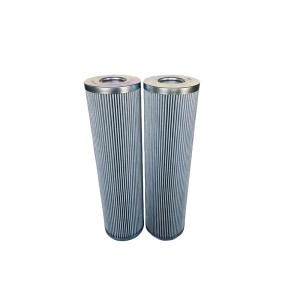
Different filter designs and different bypass valve settings create different amounts of built-in response time, which is exactly why understanding your specific system’s alarm-to-bypass margin ahead of time — before you’re in the middle of an actual event — is worth the effort. Waiting until an alarm fires to figure out how much time you have is planning under pressure, literally and figuratively.
- Confirm the documented pressure differential between your JCA-002 alarm setpoint and your bypass valve’s opening pressure, and keep that reference readily available to operations staff.
- Review historical differential pressure trend data for this filter location to understand typical loading rates under your plant’s normal operating conditions, giving you a realistic baseline rather than a generic estimate.
- Confirm whether your system has duplex filtration or another means of changing this filter without interrupting servo valve oil supply — this single design feature, if present, essentially removes the urgency problem described throughout this article.
Getting Ahead of This Situation Entirely
The best version of this timeline is one where the alarm never actually forces an emergency decision, because the filter change happens during planned maintenance before differential pressure gets anywhere close to the alarm setpoint. Trending differential pressure regularly, rather than only checking it when convenient, and building JCA-002 replacement into routine outage planning based on that trend data, keeps the whole scenario described above largely theoretical rather than something your team actually has to manage under time pressure.
If your plant hasn’t already confirmed the specific alarm-to-bypass pressure margin for your EH oil system’s filtration setup, it’s worth requesting that documentation from your filter and bypass valve suppliers directly — having that number on hand before an alarm ever fires makes the difference between a calm, planned response and a scramble.
Final Thoughts
The window between a JCA-002 differential pressure alarm and bypass valve opening is real, but it’s not generous, and it shrinks fast once the bypass actually opens and unfiltered oil starts reaching the servo valves. Treating the alarm as an early warning worth acting on immediately, rather than something to schedule around convenience, is what keeps this filter doing the job it’s actually there for — protecting components that are far more expensive and far less forgiving than the filter element itself.
Post time: Sep-04-2026
-

Generator stator cooling water filter SGLQ-1000A
-

Lubricating oil filter element 21FC5128-160X600/25
-

SZCB-01 series Magneto-Resistive Speed Sensor
-

Pressure Switch ST307-V2-350-B
-

Duplex oil filter DQ150AW25H1.0S
-

HL Series Displacement Sensors
-

OWK Series Oil-Water Alarm
-

LVDT Position Sensor 3000TD
-

22FDA-F5T-W220R-20LBO cone valve type plug sole...
-

Electrical Insulation Alkali-free FiberglassTap...
-

Jacking Oil Pump Suction Oil Filter DQ6803GA20H...
-

Generator stator cooling water filter WFF-150-1