

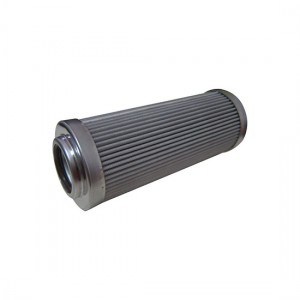
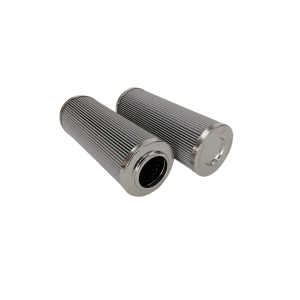
The IX-160×100 is a 100-micron mesh suction filter element designed for installation in ISV-series inline filter housings on hydraulic pump suction lines. It sits on the inlet side of the pump, catching large particles before they enter the pump internals. The location matters because everything that happens at the pump suction happens under negative pressure — and that changes what can go wrong in ways that positive-pressure filtration doesn’t face.
Where It Sits and What It Does
This suction filter element installs in an aluminium alloy housing mounted vertically on the hydraulic suction line, outside the oil tank, between the tank outlet and the pump inlet port. The 160mm nominal bore matches the pipeline diameter in larger hydraulic systems where flow volume requires a full-bore filtration path to keep suction restriction within acceptable limits.
At 100 microns, the filtration rating is coarser than downstream pressure-side filters, which typically operate at 10–25 microns. That difference is intentional. The suction filter’s primary job is protection against large, potentially damaging particles — metal fragments, assembly debris, tank sediment — not the fine contamination control handled by downstream filters. A finer mesh at this location would create too much flow resistance, starving the pump of oil and causing cavitation.
The mesh element itself is typically stainless steel wire mesh bonded to a supporting frame. Unlike pleated glass fibre or paper elements used downstream, the mesh element can usually be cleaned and reinstalled rather than discarded — an advantage in applications where scheduled maintenance access is limited and element availability may be a concern.
Why Negative Pressure Changes the Risk Profile
A pressure-side filter operates above atmospheric pressure. If a seal fails, oil leaks outward — visible, detectable, a nuisance but not an immediate operational crisis. A suction filter operates below atmospheric pressure. If a seal fails, air is drawn inward. There is no visible external leakage. The housing may look perfectly dry while actively pulling atmospheric air into the hydraulic fluid stream.
Air entering the pump suction mixes with the oil before the pump has any chance to separate or expel it. The pump draws in a mixture of oil and air bubbles. Those bubbles compress and collapse violently inside the pump at high pressure — cavitation. The noise is immediate and distinctive: a harsh, irregular rattling or hammering sound, quite different from the normal pump tone. Pressure output becomes erratic. The system cannot hold stable pressure because the pump is compressing gas rather than displacing fluid.
The damage timeline is short. Cavitation erosion on pump pistons, valve plates, and cylinder bores can produce measurable wear within hours of onset, and in severe cases the pump may fail entirely within a single operating shift. The suction filter housing seal integrity is not a secondary concern — it directly determines whether the pump operates cleanly or starts destroying itself.
Where Air Gets In: The Seal Points on the ISV Housing
The ISV-series housing for the IX-160×100 element has several potential air ingress paths, each worth understanding before any maintenance or inspection work.
The Housing Body-to-Bowl Joint
The main housing assembly consists of the head (which connects to the pipeline) and the bowl (which contains the filter element). These join at a threaded or flanged interface sealed with an O-ring. When the bowl is removed for element change-out and reinstalled, this O-ring can be pinched, misaligned, or simply left in a compressed-set condition from previous service. Under suction, even a small gap at this joint draws air continuously.
The aluminium alloy housing material is also susceptible to thread damage if the bowl is cross-threaded during installation. A thread that engaged but didn’t seat correctly will feel tight under hand pressure but will not hold the O-ring in its correct sealing groove. The housing looks assembled; the seal is not functioning.
Pipeline Connection Flanges and Clamps
The housing connects to the suction line through flanged joints or hose clamps, depending on the installation design. Any of these connections can loosen over time due to thermal cycling, vibration, or simply inadequate initial torque. A flange gasket that was at the edge of its reuse life at the last maintenance visit may have degraded further under continued thermal and mechanical stress.
Hose clamps in suction service deserve particular attention. The hose itself may have hardened and shrunk slightly from oil exposure and age, reducing the contact area between hose and fitting even if the clamp torque hasn’t changed.
The Element-to-Housing Bypass Seal
The IX-160×100 element has a seal at its upper end that prevents oil from bypassing the mesh. In suction service, a failed element bypass seal doesn’t just allow unfiltered oil through — it can also allow air entry at the housing interior if there’s any gap in the element-to-housing contact. This seal is sometimes overlooked during element change-out because it’s internal and not visible during assembly.
Detecting Hidden Seal Failures: Is There a Mandatory Vacuum Test?
Maintenance procedures for suction filters installed on external pipework vary considerably between facilities and OEMs. There is no universally mandated vacuum seal test in generic hydraulic system standards — but the absence of a general standard requirement doesn’t mean the check isn’t worth doing, particularly after element replacement or any work that involves opening the housing.
A practical vacuum seal test approach for an ISV-series housing after reassembly:
- Close the tank outlet isolation valve and any suction line isolation valves to isolate the filter housing from oil flow
- Connect a vacuum pump to the pump-side port of the filter housing (with the pump-side pipeline isolated) and draw a vacuum to approximately 0.06–0.08 MPa below atmospheric — equivalent to the suction depression that the pump would create during normal operation
- Close the vacuum pump isolation valve and monitor the vacuum gauge for 2–5 minutes; any measurable pressure rise (vacuum loss) indicates air ingress through a seal
- Identify the leak point by applying leak detection fluid or soap solution to each seal interface while the vacuum is held; the ingress path draws the solution inward rather than blowing it outward, so look for the fluid being pulled into the joint rather than bubbles forming
This test adds approximately fifteen minutes to the element change-out procedure. For a suction filter on a critical pump, that time investment is straightforward to justify against the cost of a pump cavitation event. Some facilities have formalised this check in their internal maintenance procedures even without an external regulatory requirement.
Air Ingress Symptom Reference
| Observed Symptom | Likely Cause | Diagnostic Action |
|---|---|---|
| Harsh rattling noise from pump; erratic system pressure | Significant air ingress at suction filter housing seal; pump in active cavitation | Stop pump. Inspect all housing seals immediately. Do not restart until suction line integrity is confirmed. |
| Foamy or milky oil in the reservoir | Air being entrained into oil and returned to tank; slower-developing ingress than immediate cavitation | Check all suction line connections and housing seals. Oil aeration can also originate at other return or drain points — check the full circuit. |
| Progressive pump noise increase over days or weeks | Gradual seal degradation — small ingress rate that hasn’t reached audible cavitation threshold yet | Suction line vacuum test. Inspect hose clamp torque and housing O-ring condition. Replace suspect seals before condition worsens. |
| System pressure unstable only after element change-out | Housing seal disturbed during maintenance — O-ring pinched, bowl not fully engaged, or bypass seal not seated | Reassemble housing with all seals replaced. Perform vacuum test before returning to service. Confirm correct O-ring diameter and material for the housing model. |
| No visible oil leak at housing but oil level dropping slowly | Not typical of air ingress; more likely a downstream leak. However, cross-check suction filter area for any weeping that oil is absorbing onto housing surface. | Clean the housing exterior and run for one shift; inspect for fresh oil traces. If none, investigate downstream circuit for external leakage. |
Element Change-Out Procedure: What Matters Most
The IX-160×100 element should be replaced or cleaned at the interval specified for the system — commonly at major hydraulic system maintenance intervals or when differential pressure across the suction filter reaches its set limit. In suction service, the differential pressure indicator monitors the difference between tank pressure and the pressure at the pump side of the filter; a rising reading indicates the mesh is loading with debris.
Several points during element change-out have a direct bearing on post-installation seal integrity:
- Replace all O-rings at every element change: The housing bowl O-ring and any element-to-housing seals should be renewed each time, not inspected and reused. Suction service compresses seals differently from pressure service — the inward suction force can cause the O-ring to deform in its groove differently over time. A seal that looks intact may not function reliably after repeated suction cycling.
- Confirm O-ring material compatibility: The housing O-rings must be compatible with the hydraulic fluid in use. For mineral oil systems, nitrile is standard. For phosphate ester or other synthetic fluids, fluorocarbon (FKM) O-rings are required. Installing the wrong material causes rapid seal degradation that may not be immediately visible.
- Do not over-torque the bowl: Aluminium thread engagement torque limits are lower than steel. Over-torquing the bowl compresses the O-ring beyond its design deformation and can damage the housing threads. A damaged thread will not hold the O-ring in position under suction.
- Verify the element bypass seal is seated: Before installing the bowl, confirm the element’s upper end seal is correctly seated against the housing head. Run a finger around the circumference of the contact area to check for any gap or twist in the seal ring.
Scheduled Maintenance and Vacuum Test Integration
Incorporating a vacuum seal test into the post-maintenance checklist for the suction filter is the simplest structural change that eliminates most of the silent air ingress risk. The test requires minimal equipment beyond a vacuum pump with a gauge and a short adaptor fitting — both of which are common in hydraulic maintenance shops.
For facilities where the suction filter is accessed less frequently — once per year or at major overhaul intervals — a pressure decay check using low-pressure nitrogen on the suction side of the isolated housing is an alternative that avoids the need for a vacuum pump, using equipment already present for pneumatic testing. The principle is the same: pressurise to a known level slightly above atmospheric, isolate, monitor for decay.
What matters is that some seal integrity check is performed and documented after every housing reassembly. The alternative — assuming the seal is good because the bowl was tightened and the pump started without immediate cavitation — leaves the system vulnerable to the slower-developing ingress conditions that produce progressive pump wear without triggering an obvious alarm.
E-mail: sales@yoyik.com
Tel: +86-838-2226655
Whatsapp: +86-13618105229
Yoyik offers various types of power plants spare parts for steam turbines, generators, boilers as below:
return line filter in hydraulic system DP3SH302EA01V/-F Electric control cabinet
oil filter drain DP201EA01V/F Filter element of HFO oil pump nozzle
lubrication filtration GT198-39-BV
return line filter in hydraulic system LH0240D010BN3HC
premium guard oil filter QF9704G20H-V
hydraulic filter housing assembly HQ25.300.18Z BFP EH oil main pump suction filter
salt water filtration system SGLQ-1000A Water Filter element
hydraulic strainer filter RP8300F2216Z
industrial filtration solutions FRD.OY5Z6.070B
oil filtration systems RP0653FCG39Z
hydraulic return filter assembly GT198-39-CV Oil purifier separation filter
hydraulic filter equivalents G-RK108254
filter element fluid DQ600EJJHC BFP filter
hydraulic filter housing high pressure HC8314FCZ16Z
oil hydraulic filter MSF-04-07 Filter with oring
water purification filter SWFY3 DN100
1 inch suction strainer WNY-001-EH MOT filter
filter cartridge housing DEA1-1866T
oil filter manufacturers HY-1-001-HTCC
stainless steel suction strainer OF3-10-3RV-10 oil pump discharge working filter
Post time: Jun-12-2026
-

Generator end cap sealing Sealant SWG-1
-

BFPM hydraulic coupling oil filter DU631.3080.2...
-

Filter element QF1D350CFLHC
-

Regeneration oil pump suction filter HQ25.300.12Z
-

Dry-type Transformer Cooling Fan GFD590/126-710
-

LVDT sensor 1000TD
-

Generator Stator Cooling Water Filter SGLQ-600A
-

HP Actuator LVDT Position Sensor 4000TD
-

EH oil main pump PVH074R01AB10A250000002001AE010A
-

Vibration speed Sensor HD-ST-A3-B3
-

Steam Turbine Magnetic Rotation Speed Sensor SM...
-

Actuator Inlet Working Oil Filter DP301EA10V/-W