

If you’ve worked in a plant control room for more than a few years, you probably already know how much trouble a bad signal can cause. One faulty reading and suddenly a whole loop looks wrong, or worse, an operator makes a decision based on numbers that aren’t real. That’s the problem the LJB1-1000A/10V voltage transmitter is meant to solve. It takes a 1000A AC current and turns it into a 0-10V DC signal, something a DCS system can just read directly, no extra translation needed.
This piece goes over where this thing is actually used day to day, how it talks to your control system, and a few things worth checking before you buy one — because not every “0-10V” label means the same thing on paper as it does in your cabinet.
So What Does This Voltage Transmitter Actually Do?
In plain terms: current goes in, voltage comes out. The 1000A input passes through isolated sampling, gets linearized, and comes out as a clean 0-10V DC signal. There’s also a temperature self-calibration function built in, which honestly matters more than people expect.
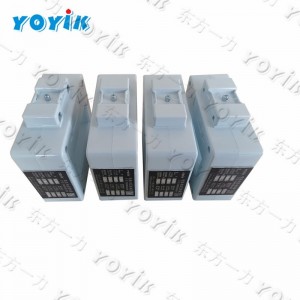
Plant equipment rooms aren’t always climate controlled the way you’d want. Summer heat, poor ventilation, nearby equipment running hot — all of that can push a transmitter’s output slightly off if there’s no compensation happening. The self-calibration here handles that automatically, so maintenance isn’t constantly re-checking calibration every few months.
Where Does It Get Used in a Power Plant?
This is usually the first question buyers ask, and the real answer is “it depends on your loop,” but there are three places you’ll see it most often.
Remote Transmission of CT Secondary Current
Current transformers step big primary currents down to something manageable, usually 1A or 5A on the secondary side. Problem is, that signal still has to travel — sometimes a long way — before it reaches the control room, and raw current over distance isn’t great, especially near high-voltage gear. Converting it to a voltage signal through a transmitter like this one makes the trip a lot more stable.
Motor Current Monitoring
Big motors — feedwater pumps, ID fans, that kind of thing — draw current that moves around with load. Engineers watching for early bearing wear or winding trouble need something they can actually read as a trend, not just noisy current spikes. A voltage transformer working alongside this transmitter gives a cleaner picture, one that’s easier to trend over weeks or months.
Generator Excitation Current Isolation
Excitation current ties directly into how generator voltage gets regulated, so isolating this signal before it hits your DCS input cards isn’t optional — it protects sensitive electronics from surges or ground faults that can start inside the excitation loop. Out of the three uses, this one probably carries the most safety weight, since a fault here can trip generator protection pretty fast.
Most plants end up using the LJB1-1000A/10V for more than one of these jobs, not just picking one and sticking with it.
Does the 0-10V Output Actually Match DCS AI Card Inputs?
Mostly, yes. But “mostly” is worth unpacking a bit before you assume everything just plugs in.
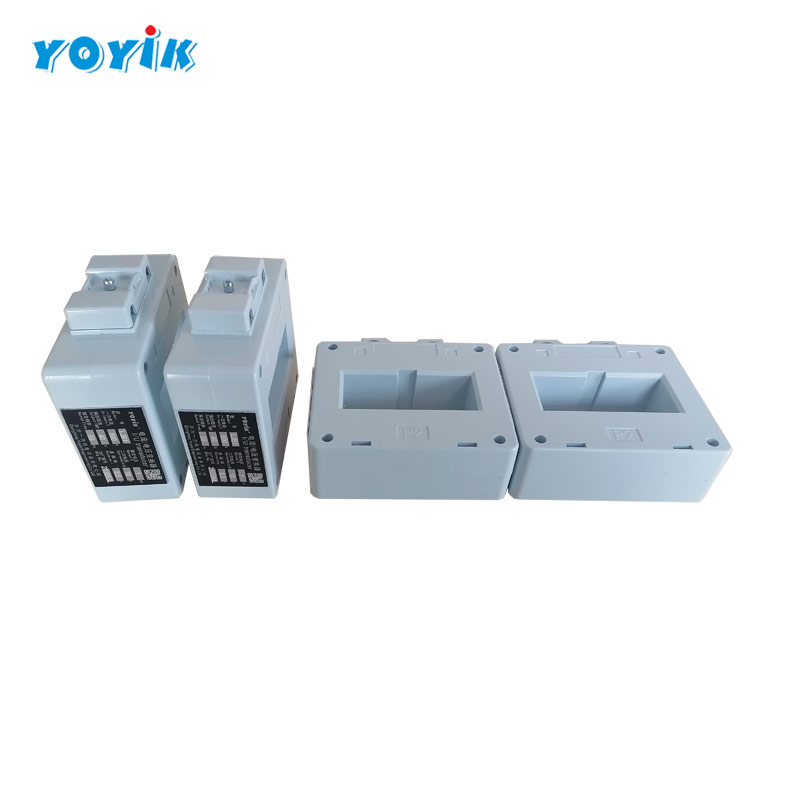
Most DCS analog input cards take either 4-20mA current or 0-10V (sometimes 0-5V) voltage. The 0-10V range is common enough that this transmitter was built around it on purpose. Still, not every card in your plant is going to match that number exactly.
| DCS AI Card Type | Typical Input Range | Works with LJB1-1000A/10V? |
|---|---|---|
| Standard voltage AI card | 0-10V DC | Yes, no adjustment needed |
| Older voltage AI card | 0-5V DC | Needs scaling first |
| Current-type AI card | 4-20mA | No, needs a separate converter |
If your existing cards are set for 0-5V or 4-20mA, you’ll either need to reconfigure the card (assuming the hardware allows it) or add a signal conditioner in between. This is honestly one of the more common mix-ups procurement runs into — the transmitter works fine on its own, but the mismatch shows up as readings pinned at max or just plain wrong.
Best move is checking your card’s actual spec sheet with your instrumentation team before ordering, rather than assuming “0-10V” automatically fits.
A Few Things Worth Checking Before You Buy
- Make sure the input current rating actually matches your CT secondary or measured current — don’t use a 1000A rated unit for a much smaller loop without scaling it properly.
- Isolation voltage should be higher than what your plant actually requires, especially for excitation current work.
- Response time matters more for motor monitoring than for basic remote transmission, since motor loads shift fast.
- Check the ambient temperature rating against your actual equipment room, not just the number on the datasheet.
Why This Matters for Plant Reliability
Control systems run on trust — the DCS has to believe the numbers coming in are real, all the time, not just most of the time. A voltage transmitter that fails quietly, drifting a little bit each week instead of failing outright, can actually be worse than one that just stops working. Nobody notices until something downstream goes sideways.
That’s really why isolation and temperature calibration aren’t just extra features tacked onto a spec sheet somewhere. They cut down the chances of signal drift messing with protection logic or load balancing without anyone catching it in time.
For plants still running older instrumentation, switching to a properly rated voltage transmitter like the LJB1-1000A/10V can also make future DCS upgrades easier, since 0-10V is supported across pretty much every major control system vendor out there.
Quick Checklist Before Ordering
- Confirm the exact current input range fits your application — not just the nominal 1000A number.
- Ask for calibration certificates and isolation test reports, especially if it’s going into excitation current service.
- Check lead times and whether the unit comes factory-calibrated for your ambient conditions.
If your team’s looking at this transmitter for an upgrade or a new CT transmission setup, it’s probably worth just asking the manufacturer for a datasheet and a wiring reference directly. Easier to compare it against your current AI card setup that way, before anything gets ordered.
Final Thoughts
The LJB1-1000A/10V voltage transmitter does a fairly specific job, but it’s an important one — turning high-current signals into something your control system can actually use without guesswork. Whether that’s CT secondary current transmission, motor monitoring, or excitation current isolation, the core task stays the same: deliver a clean voltage signal that lines up with what your DCS AI card expects.
Getting that input-output match right before installation saves a good bit of troubleshooting down the line. If you’re not sure whether your current setup lines up, it’s usually faster to just ask a supplier for a quick compatibility check than to guess and find out the hard way.
Post time: Aug-07-2026
-

Hydraulic oil filter element LX-HXR25X20
-

EH oil pump suction filter DS103EA100V/W
-

23D-63B steam turbine turning solenoid valve
-

188 generator rotor surface red insulating varnish
-

LVDT Position Sensor 3000TD
-

Oil purifier filter element P2FX-BH-30X3
-

Sealing Oil Differential Pressure Valve KC50P-97
-

Dry-type Transformer Cooling Fan GFD590/126-710
-

EH Oil Main Pump Discharge Oil Filter Element D...
-

AXIAL DISPLACEMENT MONITOR HZW
-

ZJ series steam turbine bolt heating rod
-

Magnetic Liquid Level Indicator UHZ-519C