

Power plant lubricating oil systems need very clean oil. Tiny contaminants, air or moisture getting in can jam valves. They wear bearings too, and hurt unit operation. The NXQ-A-6.3/31.5-L-Y accumulator bladder is key for stabilizing pressure. It also supplies energy in the system. Replacing it properly is critical to stop pollution. A standard replacement process keeps out air, moisture and outside dirt as much as possible. It protects the accumulator shell and lubricating oil system from contamination. And it makes sure the system works well after changing the bladder.
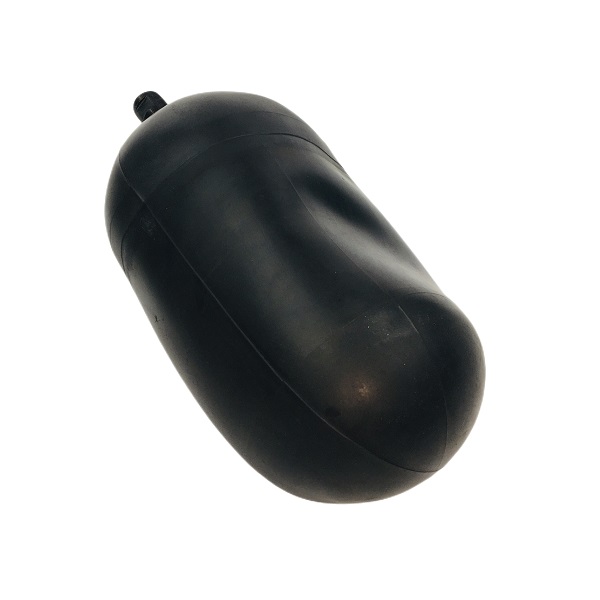
1. Before Replacement: Get Ready Well to Stop Pollution First
Prep work for changing the accumulator bladder focuses on cleaning the area. It also needs clean tools and right parts. This stops pollution from the start. First, clean the area around the lubricating oil system. Wipe the accumulator shell surface with anhydrous alcohol. Do the same for pipeline connections and nearby places. Remove oil stains, dust and slag. This prevents impurities from falling when you take things apart later.
Use special tools. Clean them beforehand. Wipe wrenches, screwdrivers and inflatable tools with a clean cloth. Rinse them with the same lubricating oil if needed. This stops tools from carrying dirt into the system. Check the new NXQ-A-6.3/31.5-L-Y accumulator bladder’s package. Ensure it’s not damaged or wet. After opening the package, don’t touch the bladder directly with your hands. Oil and dust on hands will contaminate it. Prepare enough clean lubricating oil of the same type, too. Also get seals and protective gear. Keep the replacement process going. Don’t leave parts exposed for long. No standard prep steps for your power plant’s accumulator bladder replacement? Contact us for custom guidance.
2. During Disassembly: Operate Carefully to Keep Dirt Out of the Shell
Take the accumulator apart step by step. Do it smoothly. Keeping air, moisture and outside dirt out of the shell is the main thing. Also protect the original pipeline connections from damage. Close the valve between the accumulator and the lubricating oil system first. Open the air release valve at the bottom of the accumulator slowly. Release leftover pressure. Let out a little lubricating oil too. Start disassembly only when there’s no pressure left.
Loosen the accumulator flange bolts. Tighten or loosen them evenly in a crisscross way. This avoids flange deformation. Deformation would let impurities fall into the shell. Take out the bolts. Then remove the flange cover gently. Seal the shell opening with a clean plug right away. This stops air, moisture and dust from getting in. Take out the old bladder carefully. Don’t scratch the inner wall of the shell. Scratching may make sludge and impurities on the wall fall off. Leftover impurities on the inner wall? Wipe them gently with a clean cloth. Rinse with a little clean lubricating oil. Drain the waste oil quickly. Never leave it inside the shell.
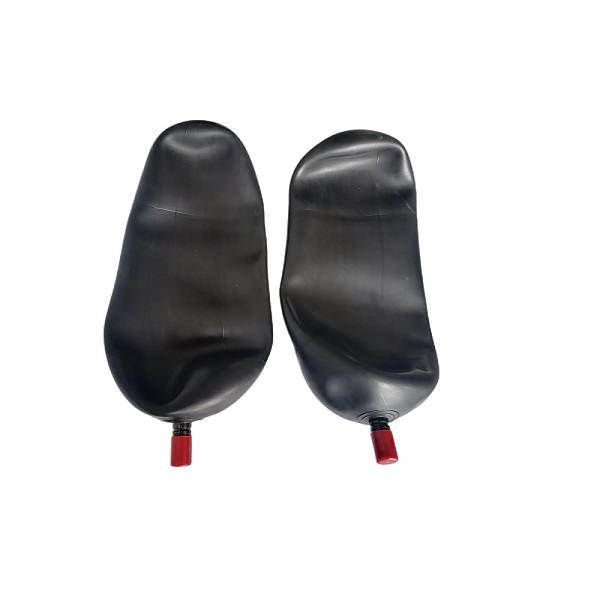
3. During Replacement: Control Details Tightly to Block Pollution Risks
Replacing the accumulator bladder is key to preventing pollution. Control cleanliness at every step. Don’t let air or moisture mix in. Before installation, check the new NXQ-A-6.3/31.5-L-Y accumulator bladder’s surface again. Slight stains? Wipe them with a clean lint-free cloth. Never use chemical cleaners. They may corrode the bladder material easily.
Put the bladder into the accumulator shell slowly. Align the bladder opening with the flange sealing surface correctly. Don’t let the bladder wrinkle. Don’t let it shift either. Check the seal before installation. Make sure it’s in good condition. Put a thin layer of clean lubricating oil on the seal. This improves sealing. It also reduces friction damage during installation. Put the flange cover back. Ensure the sealing surface has no impurities. No scratches either. Tighten the bolts evenly in a crisscross way. Control the torque. Poor sealing lets air and moisture get in. Use dry, clean nitrogen for inflation. Let out leftover air in the inflation pipeline first. Inflate slowly to the required pressure. Sudden pressure rise will damage the bladder for sure.
4. After Reinstallation: Check Thoroughly to Ensure No Pollution in the System
After replacing the accumulator bladder, check for pollution and leaks. Do this during reinstallation and testing. The lubricating oil system needs high cleanliness. First, check the accumulator flange interface. Check pipeline connections too for leaks. Wipe the connections with a clean cloth. See if there’s any oil seepage. Only open the valve to the system slowly when there’s no leak.
After opening the valve, inject lubricating oil into the accumulator slowly. At the same time, open the top air release valve. Let out air in the gap between the bladder and the shell. Keep doing this until no bubbles come out of the air release valve. Then close the valve. Start the lubricating oil system without load. Monitor the accumulator’s work. Check if the oil is clear. Look for impurities. Look for bubbles too. Also check if the system pressure is stable. Turbid oil or bad pressure fluctuation? Shut down the machine at once. Find the problem. Don’t let pollution spread to the whole lubricating oil system.
5. Core Principle: Adaptability and Standardization Both Matter
Standard operations aren’t enough to avoid pollution during replacement. You need suitable parts too. Choose original genuine NXQ-A-6.3/31.5-L-Y accumulator bladders. Their material and size match the accumulator shell perfectly. Mismatched bladders cause too big sealing gaps. This lets pollution get in. Seals, lubricating oil and other auxiliary parts must fit the system. Poor quality parts bring pollution risks.
We are a professional accumulator accessory supplier. We provide original genuine NXQ-A-6.3/31.5-L-Y accumulator bladders. We also offer matching seals and lubricating oil. Our technical team provides on-site guidance too. They help control cleanliness during the whole replacement. They also manage operation standards. This avoids pollution risks effectively.
Conclusion: Replace in Standard Way to Keep Lubricating Oil System Clean
Replacing the NXQ-A-6.3/31.5-L-Y accumulator bladder is vital. It stops pollution in power plant lubricating oil systems. Follow the right steps: clean preparation, standard disassembly, precise replacement and thorough inspection. This keeps out air, moisture and outside contaminants as much as possible. It ensures the accumulator stays clean. The lubricating oil system stays clean too.
Need original genuine accumulator bladders? Or professional replacement support? Contact us. We provide a full range of accumulator accessories for power plant lubricating oil systems. On-site services are also available. We help you replace the bladder in a standard way. This keeps the unit’s lubricating oil system working stably. It runs efficiently too.
E-mail: sales@yoyik.com
Tel: +86-838-2226655
Whatsapp: +86-13618105229
Yoyik offers various types of power plants spare parts for steam turbines, generators, boilers as below:
Oil Stop Valve Wj15F1.6P.03
Stop Valve J61Y-P5516V
Stop Valve J61H-100P
Reheater Inlet Water Pressure Test Plug Valve Sd61H-P4063
Check Valve H64Y-2500Spl
Globe Valve Gr2-0-Kb-G5/30X48
Globe Valve Straight Pattern Wj50F-1.6P-Ii
Vibrator Motor Jzo-1.5-2
Forged Steel Valves Wj15F3.2P
Hydraulic Accumulator Bladder & Seal Kit Nxq-Ab-80/31.F
Stop Valve J61H-300Spl
Diaphragm Valve G41J-150Lb
Electric Stop Valve J961Y-P54.511V
Moog Servo Valve G771K200A
Pneumatic Safety Valve A669Y-P54.5110V Pcv
Check Valve H64Y-1500Lb
Electric Gate Valve Z941H-40
Check Valve H61Y-1500Lb Sa-182 F22
Superheater Outlet Plug Valve Sd61H-P61305V Sa-182 F92
Polished Stem Gate Valve Z964Y-2500Spl
Electric Stop Valve J961Y-P5540V
O-Ring Y7-6
Bladder For Accumu Nxqab-63/31.5-L-Y
Manual Ball Valve Q11F-10P Dn25
Electric Stop Valve Nkj961Y-16C
Stop Valve J61H-200V
Stop Valve J61W-25P
Post time: Jan-08-2026
-

Epoxy-ester insulating varnish H31-3
-

Steam Turbine Shutoff valve F3RG03D330
-

HSN series three-screw pump
-

LVDT position sensor HL-6-50-15
-

Jacking oil pump suction filter SFX-660×30
-

Sealing Ring of Generator Hydrogen Cooling System
-

Steam turbine tilting pad thrust bearing
-

DP201EA01V-F actuator inlet flushing oil filter...
-

Generator Epoxy adhesive DFCJ1306
-

LVDT Sensor TDZ-1E-32
-

Vacuum pump reducer gearbox M02225.013MVV1D1.5A
-

EH oil online filter machine fine filter JLX-30...