

Turbine oil systems don’t forgive sloppy installation work, and a directional solenoid valve sitting in the steam turbine oil circuit is not the place to cut corners. The J-110V-DN6-D/20B/2A is a cartridge-style valve, meaning it slots directly into a machined bore in the valve block rather than bolting on as a separate assembly. That design is compact and reliable, but it also means the installation quality of the bore itself matters just as much as the valve.
A lot of the leakage problems that show up months after commissioning trace back to something simple that got rushed during install — a bore that wasn’t cleaned properly, or a seal that didn’t seat the way it should have. Neither takes long to check, but both get overlooked more than they should on a busy outage schedule.
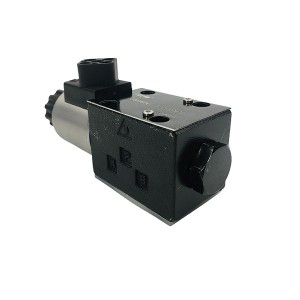
What Makes Cartridge-Style Installation Different
Unlike a valve mounted with external piping and fittings, the J-110V-DN6-D/20B/2A relies entirely on the machined bore in the valve block for its sealing surfaces and spool travel. The valve cartridge slides into this bore, and the fit between the two has to be close and clean for the valve to function correctly.
This tight tolerance is actually a good thing for reliability once everything is installed properly — fewer external connections means fewer places for leaks to develop over time. But it does raise the stakes on getting the bore itself right before the valve ever goes in.
Why Cleaning the Valve Block Bore Actually Matters
Before inserting the solenoid valve, the mounting bore in the valve block needs to be thoroughly cleaned. Any leftover machining debris, old seal fragments from a previous valve, or just general contamination sitting in that bore can cause two separate problems.
First, debris can interfere with spool movement inside the valve once it’s installed, since the tolerances between spool and bore are tight by design. Second, contamination sitting where the seal needs to seat can prevent that seal from making full contact around its circumference, leaving a small gap that pressurized oil will eventually find.
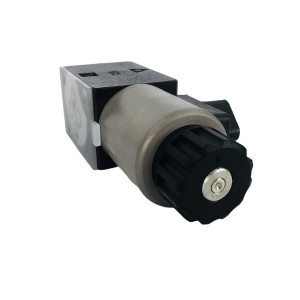
Steps Worth Following Before Insertion
- Flush the bore with clean solvent or an approved cleaning fluid and inspect visually before proceeding, don’t just wipe it down and assume it’s clear.
- Check for any burrs or rough edges at the bore opening that could damage the seal as the valve is inserted — a smooth entry matters more than people expect.
- Confirm the bore diameter and depth match the valve’s actual dimensions, especially if this bore has previously housed a different valve type during a retrofit.
- Keep the bore covered or protected between cleaning and installation, since dust and debris settle fast in an open turbine hall environment.
Seal Placement — The Detail That Gets Rushed
The J-110V-DN6-D/20B/2A relies on O-rings or similar seals positioned along the cartridge body to separate different pressure zones within the bore. These seals need to be correctly seated in their grooves before the valve goes in, not just present somewhere near the right spot.
A seal that’s twisted, partially dislodged, or sitting slightly out of its groove during insertion can get pinched or rolled as the valve slides into place. Once that happens, the seal often isn’t doing its job properly even though it looks intact from the outside after installation.
Does Poor Sealing or a Dirty Bore Actually Cause High-Pressure Oil Leakage?
Yes, and this is really the central concern behind all the installation care described above. If the seal isn’t properly seated, or if bore cleanliness is insufficient, high-pressure oil can find its way between the valve body and the mounting bore instead of staying contained within the intended flow path.
This kind of leakage doesn’t always show up immediately. Sometimes the valve functions correctly for a while, and the leak develops gradually as pressure cycling works on a seal that was never fully seated to begin with. Other times, particularly with significant bore contamination, leakage is present almost right away but might not be obvious until oil accumulates somewhere visible.
Either way, the pressure involved in a steam turbine oil system means this isn’t a minor nuisance leak. It represents lost control oil pressure, potential contamination of surrounding areas, and a fault that will eventually need an unplanned shutdown to correct properly.
| Installation Issue | Likely Consequence |
|---|---|
| Contaminated bore | Spool movement restricted, or seal fails to seat properly |
| Seal misalignment during insertion | Pinched or rolled seal, gradual or immediate leakage |
| Incorrect torque during tightening | Uneven seal compression, premature seal wear |
| Damaged bore surface | Persistent leak path regardless of seal condition |
Using the Correct Torque and Tools
The manufacturer specifies a particular tool and torque value for securing the J-110V-DN6-D/20B/2A once it’s seated in the bore, and there’s a real reason for that beyond just following procedure. Over-tightening can distort the valve body or the seal grooves slightly, while under-tightening leaves the assembly without enough clamping force to keep the seal properly compressed under system pressure.
Using a generic wrench instead of the specified tool is a common shortcut on busy outages, but it increases the risk of applying uneven force, particularly on a cartridge valve where the tightening sequence and torque value were designed around the actual seal compression needed.
- Always use the tool specified for this valve type rather than a substitute that happens to fit.
- Follow the torque value from the manufacturer’s installation documentation, not a general estimate based on similar valves.
- Recheck torque after the first operational cycle if the manufacturer’s procedure calls for it — some cartridge valves settle slightly after initial pressurization.
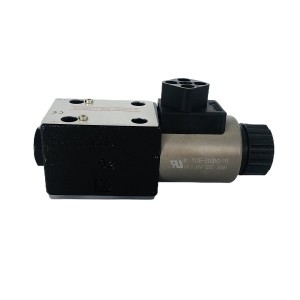
Checking the Installation Before Returning to Service
Once the directional solenoid valve is installed and torqued correctly, a few checks help confirm everything is sound before the system goes back into normal operation:
- Visually inspect around the valve body and bore interface for any sign of weeping oil once pressure is restored, even a small amount at low pressure can indicate a developing problem.
- Cycle the valve electrically a few times at reduced system pressure if possible, confirming smooth spool movement without hesitation or unusual resistance.
- Monitor the area over the following days after full service resumes, since some seal issues take a short time under real operating pressure to become visible.
None of this replaces careful installation in the first place, but it does catch problems early, before a small leak becomes a larger operational issue during turbine operation.
Why This Level of Care Matters for Turbine Oil Systems
The steam turbine oil system this valve operates within is directly tied to valve actuation and protection functions. A leaking directional solenoid valve doesn’t just waste oil — it can affect control pressure stability in the circuit it’s part of, and depending on where the leak develops, it may compromise response time for the very valve actuation function this component exists to control.
Getting the bore cleanliness, seal seating, and torque specification right during installation is genuinely one of the more cost-effective reliability decisions available during a turbine oil system maintenance activity. It costs a bit more time upfront and saves considerably more time chasing an unexplained oil leak later.
If your maintenance team is preparing to install or replace a J-110V-DN6-D/20B/2A valve, it’s worth requesting the manufacturer’s specific torque and tooling documentation ahead of the outage, so the installation crew has exact figures on hand rather than relying on general cartridge valve practice from a different manufacturer.
Final Thoughts
The J-110V-DN6-D/20B/2A directional solenoid valve performs reliably in a steam turbine oil system when the installation work behind it is done carefully — a clean bore, a properly seated seal, and the correct tool and torque applied during tightening. Skipping any one of these steps creates a real risk of high-pressure oil leakage between the valve body and the mounting bore, sometimes showing up immediately and sometimes developing slowly over weeks of pressure cycling.
A careful installation process here takes a bit more time than a rushed one, but it’s considerably less time than dealing with an oil leak on a pressurized turbine control system after the fact.
Post time: Aug-17-2026
-

Hydraulic oil station precision fine filter UE3...
-

SZCB-01 series Magneto-Resistive Speed Sensor
-

Three valve manifold HM451U3331211
-

Reverse Rotation Speed Sensor CS-3F
-

30-WS Vacuum pump of sealing oil system
-

AXIAL DISPLACEMENT MONITOR HZW
-

KEY PULSES (KEY PHASOR) Rotation Speed Sensor D...
-

Stator Cooling Water Pump YCZ50-250C
-

Stainless Steel Hydraulic Oil Filter 0850R020BN3HC
-

BFP lube filter QF9732W25HPTC-DQ
-

Generator stator RTV epoxy adhesive J0708
-

Hydraulic system air filter element QUQ2-20×1