

A servo valve is one of the least forgiving components in a turbine’s EH control system, and the 760N1194B is no exception. Its internal passages — nozzles, orifices, spool clearances — are machined to tolerances small enough that even fine particulate can cause real trouble. Get the surrounding oil system clean before installation, and the valve does its job for years. Skip that step, and you might be looking at a failure within days.
This is really the central issue anyone installing a new servo valve on a high-pressure governing valve actuator needs to think through carefully, not just during first installation but especially after any major overhaul work that opens up the hydraulic system.
What the 760N1194B Actually Controls
This servo valve sits at the heart of the hydraulic actuator driving the HP governing valve, translating an electrical control signal into precise hydraulic flow that positions the valve exactly where the control system wants it. That precision only works if the oil passing through the servo valve is as clean as the tolerances demand.
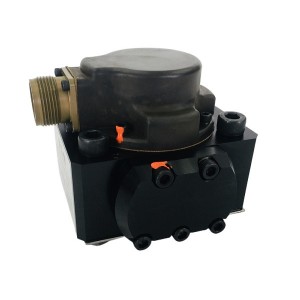
Unlike simpler directional valves elsewhere in the oil system, a servo valve’s internal geometry is built around very fine clearances. Small particles that would barely register in a coarser hydraulic circuit can lodge in a nozzle or partially block an orifice here, and that’s enough to throw off the valve’s response characteristics or cause it to stick entirely.
Should You Flush the EH System Before Installing a New Servo Valve?
Yes, and this really isn’t optional for a component this sensitive. Whether it’s a first-time installation on a new unit or a reinstall following a major overhaul, the EH system needs to be flushed and verified clean before the 760N1194B goes anywhere near the hydraulic block.
During an overhaul, piping gets opened up, components get removed and reinstalled, and despite everyone’s best efforts, some amount of debris — weld slag, thread sealant fragments, ordinary dust from the work area — tends to find its way into the system. None of that belongs anywhere near a servo valve’s internal passages.
What a Proper Flush Actually Involves
- Circulate system oil through temporary flushing loops that bypass the servo valve entirely, so contamination doesn’t pass through the sensitive component during the cleanup process itself.
- Use flushing filters rated finer than the normal system filtration, since the goal during flushing is removing particles that regular operation filters might otherwise tolerate.
- Take oil cleanliness samples at intervals and compare them against the ISO cleanliness code required for EH fluid, not just a general “looks clear” visual check.
- Continue flushing until consecutive samples show consistent, acceptable cleanliness levels — a single good sample isn’t enough confirmation on its own.
Only once the system has demonstrated stable, acceptable cleanliness should the servo valve actually be installed into the circuit. Installing it earlier just to save time on the schedule defeats the purpose of doing a flush at all.
How Fast Can Contamination Actually Damage a New Servo Valve?
This is the question that tends to worry people most, and honestly the answer depends heavily on how contaminated the system actually is. But the short version is: it can happen much faster than most people expect, sometimes within hours of operation if contamination levels are significant.
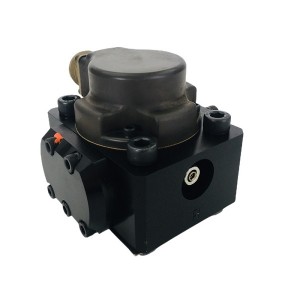
A servo valve’s nozzle and flapper mechanism, or its spool and sleeve clearances depending on design, can begin showing erratic response almost immediately if particulate is present in meaningful quantity. Symptoms might start subtle — slightly inconsistent positioning, minor hunting behavior — before progressing to more obvious sticking or complete loss of proper control response.
In more severe contamination cases, permanent internal wear or blockage can occur within the first few operating cycles. This is exactly why the flushing step described earlier isn’t a formality — it’s the difference between a servo valve lasting years and one failing within its first week of service.
| Contamination Level | Typical Timeframe to Failure |
|---|---|
| System properly flushed, oil meets ISO cleanliness target | Normal service life, years of reliable operation |
| Moderate residual contamination | Gradual performance degradation over weeks to months |
| Significant contamination, inadequate flushing | Erratic response within hours to days, possible early failure |
Sealing the Servo Valve to the Hydraulic Block and Actuator
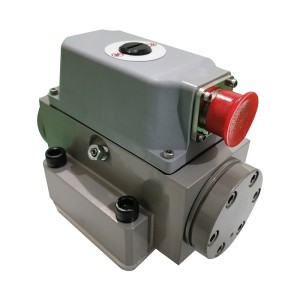
Beyond internal cleanliness, the physical connection between the 760N1194B and both the hydraulic block and the actuator body needs a proper seal. High-pressure hydraulic oil finding a path out through a poorly seated seal is a separate but equally serious concern from internal contamination damage.
The mounting interface typically relies on O-rings or gasket seals positioned at each port connection. These need clean, undamaged mating surfaces and correctly seated seals to hold under the pressures involved in an HP governing valve actuator circuit.
Installation Practices That Support a Good Seal
- Inspect mounting surfaces on both the servo valve and the hydraulic block for scratches, pitting, or old gasket material left over from a previous installation.
- Replace seals rather than reusing old ones, even if they appear intact — this is not a place to save a small cost on an otherwise expensive component.
- Torque mounting bolts evenly, following the sequence specified by the manufacturer, rather than tightening one side fully before moving to the next.
- Avoid over-torquing, which can distort the mounting face and actually create a leak path despite good intentions.
How to Check the Seal After Installation
Once the servo valve is mounted and the system is brought back up to pressure, a few checks confirm the seal is actually holding under real operating conditions, not just looking fine at rest.
- Visually inspect around each mounting interface once pressure is applied, looking for any sign of oil weeping at the joint, even a small film counts as something worth investigating.
- Wipe down the connection points before pressurizing, then recheck after a short period under pressure — a clean surface that stays clean is a good sign, one that shows fresh oil is not.
- Monitor the area over the following operating days, since some seal issues only become visible after thermal cycling and repeated pressure fluctuations during normal turbine operation.
- Check for any unusual drop in system reservoir level that might indicate a slow leak not visible at the joint itself, particularly if the leak path routes oil somewhere less obvious.
None of these checks take a lot of time, but skipping them means finding out about a leak the hard way — usually during a shift change or an inspection days later, rather than right when it could have been caught easily.
Why This Level of Care Is Worth the Time
The 760N1194B servo valve is not a low-cost component, and the HP governing valve actuator it controls plays a direct role in unit load response and protection logic. A contamination-related failure shortly after installation means repeating the whole process — system re-flushing, valve replacement, downtime — at a cost far higher than the extra hours a proper flush and seal check would have taken the first time around.
Treating EH system cleanliness and seal verification as standard steps, not optional extras, is really the only sensible approach given how sensitive this component is and how expensive an early failure ends up being.
If your team is preparing for a servo valve replacement or planning overhaul work that involves opening the EH hydraulic circuit, it’s worth requesting the manufacturer’s flushing and cleanliness specification for the 760N1194B ahead of time, so the outage schedule can build in adequate time for proper flushing rather than treating it as an afterthought.
Final Thoughts
The 760N1194B servo valve rewards careful preparation and punishes shortcuts, often quickly. A thorough EH system flush before installation, verified against actual oil cleanliness sampling rather than a visual guess, protects the valve’s precision internals from contamination damage that can otherwise show up within hours of startup. Proper seal installation and a deliberate post-installation check round out the process, catching leak issues before they become a bigger operational problem.
None of this is complicated work, but it does require discipline and a bit of patience during an outage where everyone is usually trying to move fast. For a component this sensitive, that patience is what actually protects the investment.
Post time: Aug-17-2026
-

YAV-II accumulator Rubber bladder gas charging ...
-
RTV Silicon steel sheets adhesive J0705
-

DP201EA01V-F actuator inlet flushing oil filter...
-

Generator room temperature curing adhesive HDJ-16
-

Jacking oil pump suction filter SFX-660×30
-

YCZ65-250C generator stator cooling water pump
-

Linear variable displacement transducer LVDT se...
-

Generator Stator Cooling Water Filter MSL-125
-

Oil purifier circulating filter element HC8314F...
-

EH oil circulating pump oil filter element HC89...
-

Coal Feeder Load Cell AC19387-1
-

Actuator EH oil filter DP401EA03V/-W