

The Air Vent valve RK-SL is a mechanical operating valve used on many steam soot blowers. It is normally mounted at the rear end of the blower. Unlike electrically actuated valves, it does not need a motor or solenoid to open and close. Everything is done mechanically by the movement of the soot blower carriage itself.
When the carriage moves forward or backward, a striker pin on the carriage contacts the operating cam and start arm mechanism. This action automatically opens or closes the valve. Steam or compressed air then enters the soot blower and performs the cleaning process.
On paper, the arrangement is simple. In actual plants, though, troubleshooting is not always that simple.
Many people immediately suspect the Air Vent valve when a soot blower cannot start or when there is no blowing steam. Sometimes they are right. But quite often the real cause is somewhere else. Steam header pressure fluctuations, poor drainage, or condensate accumulation can all create symptoms that look very much like a valve failure.
Because of this, replacing the RK-SL valve without checking operating data first may waste both time and spare parts.
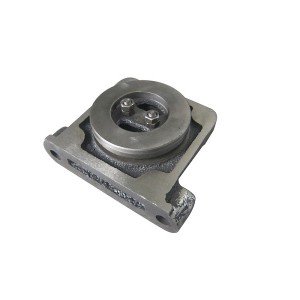
What Does the Air Vent Valve RK-SL Actually Do?
The Air Vent valve, sometimes called an exhaust valve, is one of the key mechanical parts on a soot blower. Its job is to control the admission and release of the blowing medium.
Depending on the plant design, the medium may be saturated steam, superheated steam, or compressed air. Most systems also include a pressure regulating device to maintain the required blowing pressure.
During normal operation, the valve opens automatically when the carriage reaches the proper position. When the blowing cycle finishes and the carriage returns, the mechanism closes the valve again.
There is no separate operator needed. Everything happens as part of the soot blower movement.
Common Problems Seen in Daily Operation
Plant operators usually encounter several typical situations:
- The soot blower cannot be put into service.
- The carriage moves, but no steam comes out.
- Blowing pressure is much lower than normal.
- The blowing process stops halfway.
- The blower starts and stops repeatedly.
- DCS alarms appear during operation.
At first glance, these problems seem to point directly to the Air Vent valve. But field experience says otherwise. A surprising number of cases are actually caused by unstable steam conditions rather than by the valve body itself.
Failures That Really Come From the RK-SL Valve
Of course, the valve itself can fail after years of service.
Mechanical Wear
The striker pin, operating cam and start arm are moving parts. After long-term operation, wear becomes unavoidable. Too much clearance may prevent the valve from opening fully.
Sometimes the mechanism still moves, but not enough to provide the required steam flow.
Valve Sticking
Scale deposits, corrosion products and dirt inside the valve may increase friction. The valve may respond slowly, or it may fail to open completely.
In steam systems with poor drainage, this situation is seen quite often.
Weak Spring Force
Springs lose elasticity over time. If the spring force decreases, valve movement may become unstable. Opening and closing positions can change slightly from one cycle to another.
Internal Leakage
Damaged sealing surfaces may cause steam leakage. In this case, steam consumption rises while the blowing effect becomes weaker.
Why Steam Supply Problems Are Misdiagnosed So Often
In many power stations, maintenance crews naturally focus on the equipment nearest to the fault. If the soot blower fails, attention goes straight to the Air Vent valve.
But the valve can only work properly if enough steam reaches it.
Two conditions are especially important:
- Stable steam header pressure.
- Good condensate drainage.
If either one becomes abnormal, the soot blower may refuse to operate even though the RK-SL valve is perfectly healthy.
We’ve seen cases where a valve was replaced, then another one, and the problem was still there. Eventually the real cause turned out to be pressure fluctuations on the steam header. Once that issue was corrected, everything returned to normal.
Looking at DCS Historical Curves Before Opening the Valve
Nowadays, DCS trend records make troubleshooting much easier than before.
Instead of removing the valve immediately, engineers can first review historical data. Usually a few minutes of trend analysis can save several hours of unnecessary maintenance work.
First, Look at Steam Header Pressure
This is probably the quickest check.
Compare the pressure trend before and during soot blower operation.
| Trend Condition | Possible Cause |
|---|---|
| Pressure remains stable and normal | Valve or linkage problem may exist |
| Pressure drops sharply during blowing | Steam supply capacity is insufficient |
| Pressure fluctuates continuously | Steam header instability |
| Several soot blowers show the same behavior | Common steam source problem |
One thing many experienced operators pay attention to is whether several soot blowers are having trouble at the same time.
If three or four blowers suddenly start showing similar symptoms, the chance that all their Air Vent valves failed together is pretty small. Usually the problem lies upstream.
Next, Check Steam Flow Trends
A healthy soot blower normally shows a quick rise in steam flow after the valve opens. The flow should remain fairly steady during the blowing period.
Different flow patterns often tell different stories.
- Pressure normal but almost no flow increase — the valve may not be opening.
- Flow rises briefly and then drops away — steam supply may be insufficient.
- Flow repeatedly oscillates — drainage problems may exist.
- Flow curves vary greatly from cycle to cycle — condensate could be affecting the system.
These patterns are easier to see when comparing several historical cycles together.
Don’t Forget About Steam Traps and Drainage
Poor drainage causes more problems than many people realize.
When condensate cannot leave the line smoothly, water starts collecting inside the piping. This affects steam quality and may even produce water hammer.
Under these conditions, the soot blower may behave erratically. Sometimes it works, sometimes it doesn’t.
The valve gets blamed, but the real issue is sitting further upstream.
On DCS trends, unstable flow and pressure fluctuations often appear together when drainage is poor.
Comparing Current Data with Normal Historical Data
One useful habit among experienced engineers is to compare today’s curves with curves recorded during healthy operation.
Changes become much easier to spot.
Items worth checking include:
- Steam header pressure.
- Steam flow.
- Blowing duration.
- Steam temperature.
- Valve opening sequence.
- Carriage travel time.
Many faults become obvious after such comparisons. Sometimes the answer is almost staring at you from the screen.
A Practical Troubleshooting Order
From a maintenance standpoint, it usually makes sense to start with system conditions before touching the valve itself.
A typical sequence might look like this:
- Review DCS historical curves.
- Confirm steam header pressure.
- Inspect steam traps and drain lines.
- Compare other soot blowers on the same header.
- Check the carriage striker and operating linkage.
- Inspect the Air Vent valve RK-SL.
- Disassemble the valve only when necessary.
This order avoids unnecessary dismantling and often shortens outage time.
Routine Inspection of the Air Vent Valve
During scheduled outages, maintenance personnel usually pay attention to several points:
- Wear on the striker pin.
- Condition of the operating cam.
- Freedom of movement of the start arm.
- Spring condition.
- Internal sealing surfaces.
- Corrosion or scale buildup.
- Steam leakage marks.
Small problems found during overhaul are much easier to deal with than sudden failures during operation.
Final Thoughts
The Air Vent valve RK-SL is an important part of a soot blower, but it isn’t always the reason behind poor performance.
Quite a few cases that seem like valve failures are actually related to unstable steam pressure or drainage issues. Looking at DCS historical curves first can help engineers separate equipment problems from steam system problems in a very short time.
That simple step often prevents unnecessary valve replacement and saves a good amount of maintenance effort.
If you are selecting a replacement RK-SL Air Vent valve or trying to identify an existing model, having the soot blower type and operating medium information available will make the process much easier. Technical support and dimensional confirmation can also help avoid mistakes during installation.
E-mail: sales@yoyik.com
Tel: +86-838-2226655
Whatsapp: +86-13618105229
Yoyik offers various types of power plants spare parts for steam turbines, generators, boilers as below:
Pneumatic double slide valve Z644C-10T
throttle valve NFDC-LAN
Pump DFB-II-125-80-250
hydraulic accumulator NXQ1-L25/33 H
Electric globe valve KHWJ40F-1.6P
test solenoid valve FRD.WJA3.002
Main valve solenoid valve of EH oil system 4WE6D62/EG220N9K4/V/60
Solenoid valve body for turbine lubricating oil test 22FDA-K2T-W220R-20/LV
coil winding R901267189
Gas turbine seal oil vacuum pump reducer M02225.OBGCC1D1.5A
BLADDER ACCUMULATOR NXQ2-L63/31.5-L-Y
3 port solenoid valve 3D01A011
solenoid valve 1 2 inch J-220VDC-DN6-D-20B/2A
Pressure Relief Valve YSF16-70*130KKJ
Submerged pump with motor 65YZ50-50
HP Manual Valve WJ10F-1.6P
O-ring OWK-1G
VALVE S15F0FA4VBLN
Post time: Jun-18-2026
-

Hydraulic oil filter element LX-HXR25X20
-

A108-45 Mechanical seal of stator cooling water...
-

Generator motor electric tool carbon brush
-

Lubricating oil filter element LY-48/25W
-

Rubber Bladder for ST High Pressure Accumulator...
-

Intelligent Reversal Speed Monitor JM-D-5KF
-

Gas turbine actuator filter DP309EA10V/-W
-

Generator Stator Cooling Water Filter MSL-125
-

Double barrel oil filter disc SPL-32
-

Blind-free two-color water meter B69H-32/2-W
-

Generator Hydrogen sealing Sealant D25-75
-

BR110 air filter Compressed air impurity filtra...