

A dome valve closes. The seal ring inflates. The system runs. Then the valve opens again. That sequence seems straightforward. But get the timing wrong, and a small rubber part can take down major components.
The P5524C-01 is an insert-type inflatable seal ring. It fits inside the dome valve housing. When the dome closes, compressed air pushes the ring outward. The rubber expands and wraps around the dome surface. That creates a tight seal against abrasive materials like fly ash or cement.
When the cycle ends, the ring deflates completely. Only then can the dome swing open. This order is not optional. It is the only way the system works without damage. Yet control logic errors happen. And the cost of those errors is larger than most people expect.
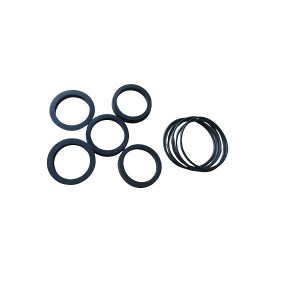
How the Dome Valve and Inflatable Seal Work Together
Think of the valve as a pair of parts that must cooperate. The dome is a metal sphere section that pivots on a shaft. The inflatable seal ring sits in a groove around the valve body. Compressed air at 4-6 bar feeds into the ring through a small port.
Valve closed first. Then air enters the ring. The rubber expands outward, pressing against the dome surface. The contact area forms a continuous band. That band stops pressurized material from leaking out. The seal holds as long as the ring stays inflated.
When the valve needs to open, the process reverses. The control system exhausts air from the ring. The rubber contracts back to its relaxed shape. Only when pressure drops to zero does the dome actuator receive the signal to open. That gap between deflation and opening is critical.
The entire cycle is controlled by a sequence logic in the PLC or relay system. The sensors are usually pressure switches on the seal air line and limit switches on the dome position.
What Happens When the Logic Fails
The system can lose the proper sequence in several ways. A mis-set timer. A failed pressure switch. A stuck relay. A programming error. The most common mistake: the dome opens before the seal ring has fully deflated.
When the dome swings open while the ring is still inflated, the rubber gets caught. The dome edge acts like a blade. It scrapes against the expanded ring. The result is a cut or a tear on the seal surface. Sometimes the tear is small. Sometimes the ring splits completely.
That torn ring cannot hold pressure anymore. Compressed air leaks through the rupture. But the problem does not stop there.
The leaking air now blasts against the metal dome surface. That jet of air, often carrying fine dust, erodes the dome material over time. The dome is hard steel or cast iron. But high-velocity air with particles acts like sandblasting. Weeks or months of this, and the dome surface develops grooves. The grooves then cut any new seal ring you install. The damage becomes permanent.
The top plate also suffers. The escaping air finds gaps around the valve body. It can erode the mounting flanges or the actuator bracket. In severe cases, the entire valve housing needs replacement.
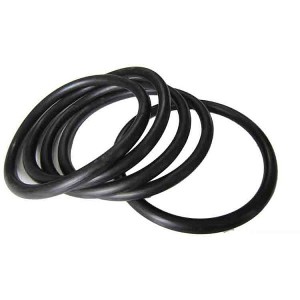
So one torn rubber seal ring leads to a ruined dome, a worn housing, and a complete valve rebuild. All because the timing was off by a few seconds.
How to Verify the Control Logic On-Site
You cannot just assume the PLC is correct. You need to test it under real conditions. Here is a simple procedure that takes about twenty minutes during a maintenance window.
First, put the system in manual mode. Close the dome valve. Watch the position indicator. Once closed, the seal ring should inflate immediately. Listen for the air solenoid click. Wait a few seconds for full pressure.
Now the critical step: start the opening cycle. The ring should deflate first. You will hear the exhaust valve open. The pressure switch on the seal line should drop to zero. Only then should the dome actuator move.
Measure the time delay between the exhaust signal and the dome movement. Most manufacturers specify a minimum delay of 1 to 2 seconds. Actually check it with a stopwatch. If the dome moves immediately or within less than one second, the logic is too fast.
You can also install a pressure gauge on the seal air line near the ring. Watch the needle. It must fall to zero before the dome starts rotating. If it shows any pressure during the dome opening stroke, you have a problem.
Another method: listen. A correctly timed valve opens with a single “thump” from the dome. An incorrectly timed valve produces a “hiss” followed by a “thump.” That hiss is the sound of rubber tearing. If you hear that, stop immediately and adjust the timer.
Common Timing Errors and Their Causes
- PLC timer set too short. The exhaust cycle needs at least 1.5 seconds for a P5524C-01 size ring. Check the program.
- Defective exhaust valve. The valve may not open fully, leaving trapped air in the ring.
- Blocked exhaust line. A small orifice or a kinked tube slows deflation.
- Pressure switch stuck closed. The PLC thinks the ring is deflated when it is not.
- Proximity sensor misaligned. The dome position sensor triggers too early.
Correct any of these. Then test again. A properly timed valve is the difference between a ring that lasts two years and one that fails in two weeks.
The Chain Reaction: Small Seal, Big Costs
Let us talk about the financial side. A P5524C-01 seal ring costs relatively little. Maybe a few hundred dollars, depending on the supplier and material compound. A dome valve assembly can cost thousands. The top plate, the shaft bearings, the actuator—all expensive.
But the real cost is downtime. If the valve fails completely, the pneumatic conveying system stops. The ash silo cannot fill. The boiler may derate or trip if fly ash removal is interrupted. For a large power plant, a full day of lost generation can run into six figures.
Here is a breakdown of the progression:
| Component | Damage from Torn Seal Ring | Typical Replacement Cost (USD) | Downtime Impact |
|---|---|---|---|
| Seal ring P5524C-01 | Torn or cut rubber | $200 – $400 | Minor (replace during shift) |
| Dome surface | Erosion grooves, pitting | $1,500 – $3,000 (refurbish) | Medium (4-8 hours) |
| Complete valve body | Housing wear, flange damage | $5,000 – $12,000 | Major (8-24 hours) |
| System shutdown | Plant derate or trip | $50,000+ per day | Critical (unplanned outage) |
The numbers are rough estimates. But the pattern is clear. A $300 seal ring can become a $10,000 repair plus lost production. That is a multiplication factor of 30 to 50 times. And that ignores the labor for tearing down the valve, cleaning the debris, and reassembling.
One plant engineer told me about a case where a torn ring went unnoticed for weeks. The dome had a deep groove worn into it. They replaced the ring three times in a month. Each ring tore on the groove edge. Finally they realized the dome was damaged. The total repair cost was five times the price of a new valve because of the emergency overtime and the lost ash handling capacity.
Preventive Maintenance: Catching the Tear Early
You cannot eliminate all timing errors. But you can inspect the inflatable seal ring regularly. The P5524C-01 is accessible from the valve side port. Remove the inspection cover. Look at the ring surface. Any cuts, abrasions, or flat spots? Replace it before it fails catastrophically.
Check the seal air pressure during operation. The ring should hold steady pressure. If the pressure drops slowly, you have a leak. The leak could be a pinhole in the rubber or a loose fitting. Both need attention.
Monitor the dome valve cycle count. Most OEMs recommend a ring replacement after a certain number of cycles—typically 50,000 to 100,000 for abrasive materials. That might be one to two years of operation. Change it at that interval even if it looks good. Rubber compounds harden with age and flexing.
Review the PLC logic at every major outage. Go through the sequence with a laptop connected to the controller. Confirm the timers match the valve manufacturer’s specifications. Save a backup of the working program. That way if someone changes it, you can restore the correct settings.
Train your operators on the proper sequence. They should know the sound of a correctly operating valve. They should report any unusual hissing or rough movement immediately. Early detection is cheap. Late detection is expensive.
What to Do When You Find a Torn Seal Ring
You open the valve and see a tear. Stop and think. Do not just swap the ring and restart.
Inspect the dome surface. Run your finger over the sealing area. Feel for any scratches, pits, or grooves. If the surface is smooth, you are safe. If you feel any roughness, the dome needs refinishing or replacement. Refinishing means machining the dome surface back to a smooth spherical contour. That is a precision job. Contact the valve manufacturer for the allowable dimensions.
Check the top plate inside the valve. Look for erosion marks. The escaping air from the tear often hits the plate around the ring groove. If you see metal loss, the plate is compromised. Replace it.
Now replace the seal ring. Lubricate the ring with a light coating of silicone grease or the manufacturer-recommended compound. Do not use petroleum-based grease—it attacks the rubber. Insert the ring carefully. Do not twist it. Make sure it sits flat in the groove.
Before reassembling the valve, test the ring inflation with compressed air. Use a regulated supply at low pressure. The ring should expand evenly all around. Any bulge or uneven expansion means it is not seated correctly.

After reassembly, run the sequence test again. Verify the timing. Make sure the ring deflates fully before the dome opens. That simple check will prevent the same failure from repeating.
Need a reliable source for genuine P5524C-01 seal rings or dome valve components? Contact your original equipment supplier or a trusted aftermarket provider. Always specify the material compound—the standard is often EPDM or Viton depending on the media temperature. A misplaced material choice can cause early failure even with perfect timing.
For power plant maintenance teams, the P5524C-01 is a small part with a huge responsibility. Treat it with respect. Check its timing. Protect it from abrasive wear. And remember that a torn seal ring is never just a torn seal ring. It is a warning. And if you ignore that warning, you will soon be replacing a lot more than rubber.
Need technical guidance on dome valve seal ring selection, inspection intervals, or control logic verification? Reach out to your pneumatic conveying system specialist. They can provide site-specific recommendations for your ash handling or material transfer application.
E-mail: sales@yoyik.com
Tel: +86-838-2226655
Whatsapp: +86-13618105229
Yoyik offers various types of power plants spare parts for steam turbines, generators, boilers as below:
VALVE CS941H-16C
Electromagnet D1VW020BVZP91XB510
Electromagnetic directional valve 4WE6C-L6X/OFEW220-50NZ4/V
Accumulator charge valve NXQ-AB-40/31.5
ESV SOV 4WE10Y-20/AG110NZ4
lube pump SNBY 2.5/0.5
Hydraulic accumulator nxq2-f40/31.5-H
VALVE Q641F-16C DN80
pilot operated solenoid valve ZD.02.004
hydraulic accumulator charging kit NXQ-A-40/31.5-L-Y
Gear Pump PG0-320-S-1-P-B-R
hyd accumulator NXQA.25/31.5
accumulator NXQ-AB-40/31.5-F-Y
12 volt dc solenoid valve Q23JD-L20
4-way valve 1F05404
cooling pump 919772
AST/OPC solenoid valve coil C9206013
mechanical servo valve D634-319C
vacuum pump rear plate WS-30
Acculator Seal Kit NXQ-AB-40/20 L Y
GEAR PUMP 2PB6.2D C28P1-V-VS40
air side AC oil pump HSNH4400Z-46NZ
Post time: Jun-17-2026
-

F3-V10-1S6S-1C20 DEH system EH oil circulating ...
-

Flow Control Servo Valve 072-1202-10
-

Oil filter coarse filter DR913EA10V/-W
-

Epoxy Phenolic Laminated Glass Fabric Slot Wedg...
-

Single Channel Speed Monitor D521.02
-

Boiler Tube sliding block
-

EH oil main pump suction filter HQ25.200.11Z
-

Magnetic Liquid Level Indicator UHZ-519C
-

Regeneration device cation filter PA810-001D
-

Generator motor electric tool carbon brush
-

Bellows relief valve BXF-40
-

Jacking Oil Pump Suction Oil Filter DQ6803GA20H...