

Gate valves rated for high temperature and high pressure don’t leave much room for error in their sealing design, and the Z960Y-20 valve seal kit exists because those seals wear out eventually, no matter how good the original installation was. This particular kit fits a bonnetless, pressure self-tightening seal design, which is a bit different from a conventional bolted bonnet valve and worth understanding before you’re standing next to one trying to figure out what’s leaking and where.
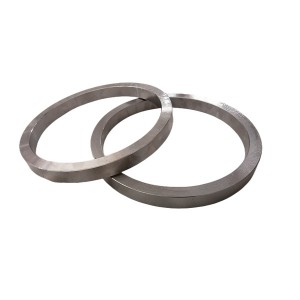
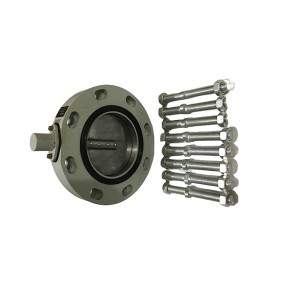
What’s inside the Z960Y-20 seal kit typically includes the self-sealing ring, additional sealing rings, and packings — the components that together keep steam or process fluid where it’s supposed to be, both around the stem and across the valve body joint.
Understanding the Self-Sealing Design
Unlike a traditional gate valve with a bolted bonnet, this design uses internal pressure itself to help maintain the seal at the body-to-bonnet interface. As system pressure increases, it actually helps press the sealing ring tighter, which is a clever way to reduce reliance on bolt torque alone for maintaining a seal under high pressure conditions.
This works well in practice, but it does mean the sealing components in the Z960Y-20 kit need to be in good condition for the design to function as intended. A worn or degraded self-sealing ring doesn’t just leak a little — it can compromise the whole self-tightening mechanism the valve design depends on.
Two Types of Leakage — And Why the Distinction Matters
When people talk about a gate valve leaking, they’re often lumping together two fairly different problems that need different diagnostic approaches and, in some cases, different components from the seal kit.
External Leakage
External leakage shows up at points where the valve interior connects to the outside world — typically at the stem packing, where the valve stem passes through the body, or at the body-to-bonnet sealing surface itself. This is the leak you can usually see or hear directly, since steam or process fluid is escaping somewhere visible.
Stem packing leaks tend to develop gradually as packing material compresses and hardens over repeated thermal cycles. Body seal leaks, given the self-sealing design here, often point to a degraded self-sealing ring rather than a simple gasket failure like you might see on a conventional bolted bonnet valve.
Internal Leakage
Internal leakage is trickier because there’s nothing visible on the outside. This happens when the valve disc (the sealing surface that’s supposed to fully block flow when the gate closes) isn’t sealing properly against its seat, letting some amount of fluid pass through even in the fully closed position.
This kind of leak doesn’t show up as a puddle or a hiss you can point to. It shows up as unexpected downstream temperature or pressure readings, or a system that behaves as though the valve isn’t fully isolating the line the way it should.
Catching Leaks Early Through Temperature Detection
One of the more practical field methods for spotting internal leakage, before it becomes obvious through other symptoms, is checking downstream pipe temperature near a closed gate valve. If the valve is sealing correctly, downstream temperature should drop off and stabilize at ambient or near-ambient levels once the line has had time to cool after closure.
If that downstream section stays noticeably warmer than expected, warmer than the surrounding pipe or equipment that’s genuinely isolated, that’s a fairly strong sign that some amount of hot fluid is still passing through the closed valve. This won’t tell you exactly how much is leaking, but it’s a reliable early indicator that something in the disc-to-seat sealing surface needs closer inspection.
- Use a handheld infrared thermometer or a fixed thermocouple at a consistent point downstream of the valve for comparable readings over time.
- Compare temperature trends against a known baseline from when the valve was confirmed to be sealing properly, rather than judging a single reading in isolation.
- Check readings after allowing sufficient time for the line to cool following valve closure — checking too soon after closing will show residual heat that isn’t actually indicative of a leak.
Catching Leaks Early Through Noise Detection
Sound is another useful early indicator, particularly for high-pressure applications where fluid passing through even a small gap tends to generate a distinct hissing or whistling noise. This applies to both internal leakage through the disc seat and external leakage at the stem packing or body seal.
Using an ultrasonic leak detector, where available, can pick up on this kind of sound even when it’s too quiet for the human ear to notice reliably in a noisy plant environment. Handheld ultrasonic detectors are commonly used specifically for this purpose in high-pressure steam systems.
- Check for unusual hissing sounds directly at the stem packing area and along the body-to-bonnet joint during routine valve inspections.
- Use ultrasonic detection equipment near the downstream piping if internal leakage is suspected, since disc seat leakage can sometimes be heard through the pipe wall even without a visible external leak.
- Document any noise findings alongside temperature readings, since the two methods together give a more complete picture than either one alone.
| Leak Type | Typical Location | Detection Method |
|---|---|---|
| External leakage | Stem packing, body-to-bonnet seal | Visual inspection, ultrasonic detection, visible steam/fluid |
| Internal leakage | Disc-to-seat sealing surface | Downstream temperature monitoring, ultrasonic detection through pipe wall |
What Happens When the Self-Sealing Ring Wears Out or Fails?
This is a specific and fairly common question, since the self-sealing ring is one of the more critical components in the Z960Y-20 kit. When this ring degrades — from age, thermal cycling, or simple wear — the most typical symptom is external leakage at the connection between the valve body and bonnet, often visible as steam escaping at that joint rather than at the stem.
This makes sense given the design: the self-sealing ring is specifically responsible for maintaining that body-bonnet interface seal, using system pressure to stay tight against the mating surfaces. Once it’s worn past a certain point, it can no longer maintain that seal even with pressure assistance, and fluid finds its way out at that joint.
A separate but related question is whether the valve still passes flow through the disc seat even after full closure. That’s a different failure mode, tied to disc and seat condition rather than the self-sealing ring specifically, and it’s the internal leakage discussed earlier rather than something visible at the body joint.
Distinguishing the Two Symptoms in the Field
- Steam or fluid visibly escaping at the body-to-bonnet joint points toward self-sealing ring wear, and the Z960Y-20 kit’s sealing ring component is the likely fix.
- No external leakage, but downstream temperature or pressure suggests flow is still passing through a closed valve, points toward disc seat wear, which may need attention beyond what the seal kit alone addresses.
- Both symptoms present at once suggest a valve that’s overdue for a full seal kit replacement and a broader inspection, not just a single component swap.
Planning for Seal Kit Replacement
Because this is a pressure self-tightening design, replacing seals in a Z960Y-20 equipped gate valve requires understanding how that mechanism works before disassembly, not just swapping parts the way you might on a conventional bolted valve. Getting the reassembly sequence and torque values right matters for the self-sealing function to work correctly once the valve is back in service.
For power plant valve maintenance planning, it helps to schedule seal kit inspection alongside other planned outage work rather than waiting for a leak to become obvious enough to force an unplanned shutdown. Early detection through temperature and noise monitoring, described above, gives maintenance teams the lead time to plan this properly.
If your team is scheduling maintenance on a gate valve using this sealing design, it’s worth requesting the Z960Y-20 kit specification sheet along with the manufacturer’s reassembly torque sequence, so the work can be planned accurately before the valve is taken out of service.
Final Thoughts
Distinguishing between internal and external leakage, and knowing what symptoms point to a worn self-sealing ring versus a worn disc seat, makes a real difference in diagnosing gate valve problems accurately the first time. Temperature and noise detection methods give maintenance teams a practical way to catch these issues early, often well before a leak becomes visible or obvious through other means.
Keeping a Z960Y-20 valve seal kit on hand, along with a clear understanding of this valve’s self-tightening design, puts a plant in a better position to respond quickly once early warning signs show up, rather than scrambling after a leak has already become a bigger operational issue.
Post time: Aug-18-2026
-

Servo Manifold Spray HP Bypass Oil Filter C6004...
-

Steam turbine Shutoff valve HF02-02-01Y
-

Steam turbine servo valve PSSV-890-DF0056A
-

Recycle pump washing oil filter DP1A401EA01V/-F
-

Linier Variable Differential Transformer (LVDT ...
-

Stainless steel globe throttle check valve LJC ...
-

Bellows relief valve BXF-40
-

MFZ-4 steam turbine cylinder sealing grease
-

Actuator EH oil filter DP401EA03V/-W
-

Boiler Tube sliding block
-

Actuator Inlet Flushing Oil Filter DP301EA01V/-F
-

Generator Hydrogen sealing Sealant D20-75