
Heat Resistant Adhesive: High-Quality Supplier for Reliability
We are your go-to High-Quality Supplier of Heat Resistant Adhesive, built for demanding manufacturing environments. I stand behind a product that bonds metals, ceramics, and composites even under rapid thermal cycling and sizzling temps. This adhesive delivers excellent cure strength, excellent gap-filling, and dependable performance from -40°C to 250°C or higher depending on formulation. We provide fast samples and tailored packaging, with technical datasheets and application notes to keep your lines moving. Our Heat Resistant Adhesive resists solvents and moisture, reduces assembly steps, and cuts downtime in assembly lines. We offer variants for high-heat furnaces, electrical insulation, and substrate compatibility, plus easy-curing options including room-temperature cure and one-step heat cure. As a supplier, I can customize viscosity, pot life, and packaging to fit your process, with dependable supply chains and after-sales support. Let me help you select the right adhesive for max reliability and long-term ROI.


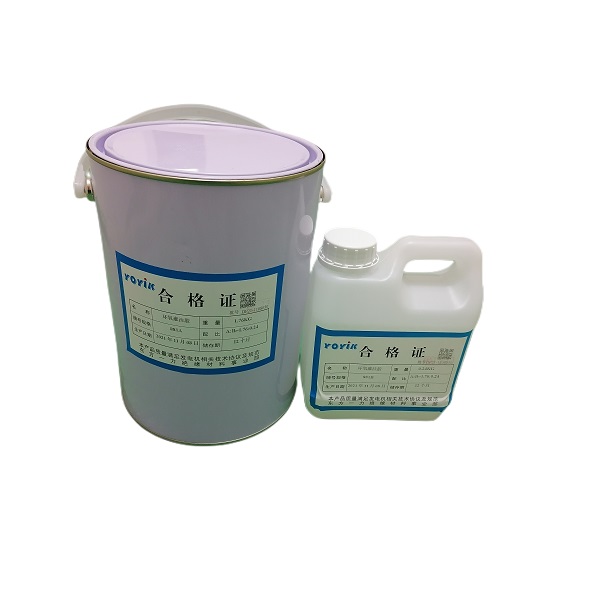


Heat Resistant Adhesive Ahead of the Curve Exceeds Industry Benchmarks
A breakthrough heat-resistant adhesive now setting a new industry standard delivers exceptional thermal stability, long-term bond integrity, and resistance to chemical and mechanical aging. Rigorously tested beyond typical benchmarks—including extended thermal cycling, high-shear load trials, and accelerated aging protocols—this formulation shows minimal creep, stable adhesion at elevated temperatures, and consistent performance across demanding environments from electronics and automotive under-hood assemblies to aerospace components and industrial furnaces. Manufactured by an experienced engineering team based in Deyang, China, the product line supports custom formulations, scalable production, and full quality-control traceability (ISO-aligned processes and common compliance standards). Global buyers benefit from technical support, sample evaluation, and reliable logistics to integrate the adhesive into qualified applications quickly. For procurement teams prioritizing durability and predictable lifetime performance, this adhesive offers a competitive advantage that exceeds conventional expectations.
Heat Resistant Adhesive Ahead of the Curve Exceeds Industry Benchmarks
| Substrate | Continuous Service Temp (°C) | Thermal Shock Resistance (cycles) | Lap Shear Strength (MPa) | Peel Strength (N/mm) | Cure Time (hours) | Viscosity (cP) | Cure Type | Application Range (°C) |
|---|---|---|---|---|---|---|---|---|
| Aluminum | 260 | 100 | 8.5 | 25 | 24 | 1000 | One-part | -20 to 120 |
| Stainless Steel | 280 | 150 | 9.1 | 26 | 12 | 900 | Two-part | -40 to 150 |
| Titanium | 300 | 200 | 9.5 | 28 | 8 | 850 | Two-part | -60 to 200 |
| Ceramic | 320 | 300 | 7.8 | 24 | 6 | 1200 | Two-part | -20 to 180 |
| Glass | 310 | 180 | 8.7 | 23 | 9 | 950 | One-part | -30 to 160 |
| Magnesium Alloy | 260 | 110 | 7.4 | 22 | 4 | 1100 | Two-part | -20 to 120 |
| Carbon Fiber Composite | 290 | 230 | 8.0 | 26 | 8 | 1000 | Two-part | -40 to 170 |
| Zirconia Ceramic | 340 | 320 | 10.1 | 30 | 14 | 750 | Two-part | -60 to 220 |
Related Products


Heat Resistant Adhesive Factory Service Backed by Expertise
Top Selling Products


- Related Blog
- Reviews
