

In any power plant using a steam turbine, the HQ37.02Z-1 circulation pump is like the heart of the hydraulic control system. Its only job is to keep the EH oil moving and keep the pressure steady so the turbine can be regulated properly. But, as anyone who has spent time in a pump room knows, these things eventually start making noise or losing flow.
When that happens, a lot of people panic and start tearing the pump apart immediately. That is usually a mistake. If you don’t know what you are looking for, you might fix one thing and break two others. Worse, you might spend five hours taking the pump apart only to realize it was just a dirty $50 filter all along.
You don’t need a lab full of sensors to figure this out. You just need to know how to listen, how to feel for vibrations, and how to read basic gauges. This guide is designed to help you differentiate between a clogged inlet filter, a mechanical failure in the pump, and an electrical motor fault without wasting time.
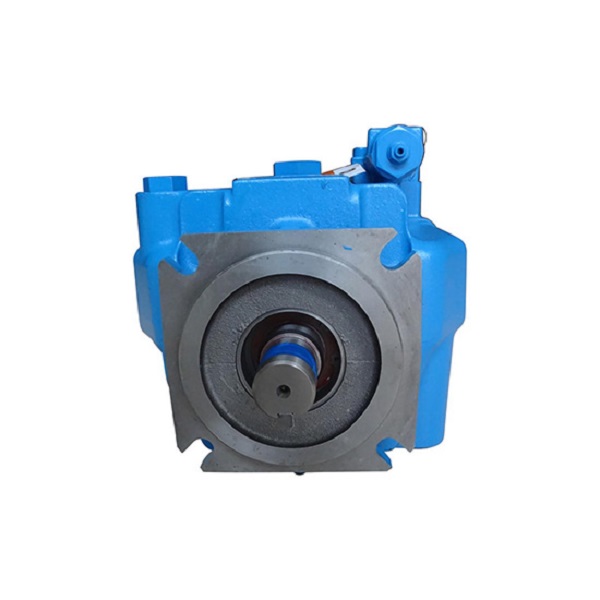
1. The Clogged Inlet Filter: The Most Common “Noisy” Culprit
The inlet filter is the first line of defense for the HQ37.02Z-1 Circulation Pump. It catches metal chips, tiny bits of rubber, and the “sludge” that forms when EH oil gets old. Because it’s doing its job, it is naturally the first thing that goes wrong.
How to spot it:
When the filter gets full of gunk, the pump starts struggling to pull oil in. We call this “starving the pump.” The first thing you’ll notice is the flow meter dropping. The pressure gauge on the outlet might start jumping up and down because the pump is sucking in air bubbles along with the oil (this is called cavitation).
The “Sucking” Sound:
A clogged filter makes a very specific sound. It’s not a metal-on-metal screech; it’s more of a low, hollow “thumping” or a heavy sucking sound. If you put your hand on the inlet pipe, you might feel it vibrating in a weird, irregular way.
The Quick Check:
Look at the Differential Pressure (DP) gauge on the filter housing. If that needle is in the red zone, or significantly higher than it was last month, stop right there. You don’t have a pump problem; you have a dirty filter. Pull the filter—if you see a layer of black sludge or shiny metal bits, you’ve found your culprit.
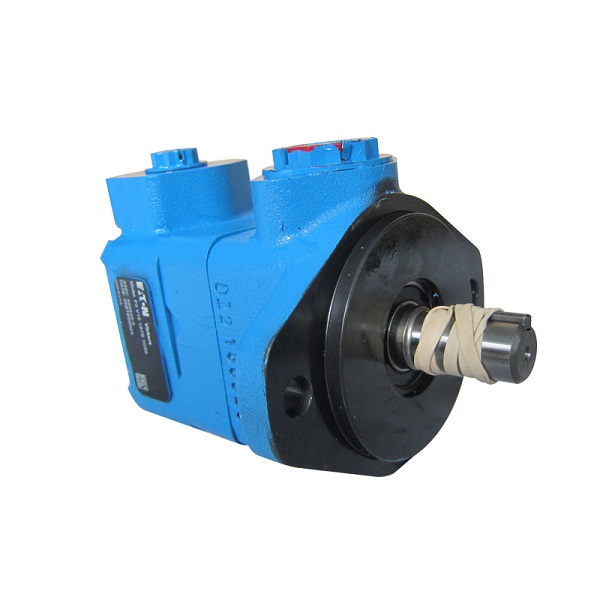
2. Mechanical Pump Failure: When the Internals Go Wrong
If you’ve checked the filter and it’s clean, but the pump is still screaming, then you are probably looking at a real mechanical issue inside the HQ37.02Z-1 Circulation Pump itself. This usually means the bearings are shot, the impeller is worn out, or the shaft seals have given up.
Bearing Failure:
If the internal bearings are failing, the noise will be high-pitched and constant. It sounds like metal grinding on metal. One of the best ways to confirm this is the Heat Test. Carefully touch (or use an infrared thermometer on) the bearing housing. If it’s significantly hotter than the rest of the pump, those bearings are creating friction and are about to seize up.
Impeller and Vibration:
Sometimes the impeller gets unbalanced because a piece of debris hit it. When this happens, the noise is a low-frequency rumble. The whole pump body will shake. If you look at the outlet pressure, you’ll see it pulsing in a very steady rhythm, like a heartbeat. This is different from the random bouncing you see with a clogged filter.
The Leak Test:
Mechanical failure is often the easiest to see. Just look at the shaft. If you see EH oil dripping or spraying from where the shaft enters the pump, your mechanical seal is dead. Mechanical problems don’t get better if you let the pump sit; they only get worse until the pump completely locks up.
3. Motor Failure: Don’t Blame the Pump for an Electric Fault
Sometimes the pump is perfectly fine, but the electric motor driving it is the one having a bad day. People often forget to check the motor, but it’s just as likely to fail as the pump.
Check the Amps:
This is the “smoking gun” for motor issues. If the motor has a bad winding or is being overloaded, it will pull way too much current. Use a multimeter or look at the control panel. If the Amps are much higher than the nameplate rating, or if the three phases are not balanced, you have an electrical fault.
Motor Bearing Noise:
Motors have their own bearings. If the noise is coming specifically from the end of the motor away from the pump, it’s probably a motor bearing. This noise is usually a sharp, high-pitched whistle.
The “Hand Turn” Test:
If you suspect the motor or the pump is seized, lock out the power first! Then, try to turn the coupling or the shaft by hand. If it feels “crunchy,” or if it gets stuck, you know something is physically broken inside. Motor issues are often sudden—the pump might be working fine one minute and then just stop dead the next.
4. A Simple 3-Step Plan to Figure it Out Fast
- The Static Check: Shut the pump down. Check the filter DP gauge. Pull the filter element and look at it. If it’s dirty, you’re done.
- The Manual Spin: With the power off, try to spin the shaft. Does it spin smoothly? If it’s hard to turn, you have a mechanical seize either in the pump or the motor.
- The Dynamic Run: Start the pump back up and watch the gauges. Is the pressure steady? Are the Amps normal? If Amps are high and the noise is at the motor end, call the electricians.
5. How to Keep the HQ37.02Z-1 Healthy
- Keep a Log: Once a week, write down the temperature, the Amps, and the noise level. You won’t know if the pump is getting louder or hotter if you don’t know what “normal” looks like.
- Don’t Cheat on Filters: EH oil is expensive and very sensitive. Cheap, off-brand filters can break apart and send bits of paper into your expensive valves. Always use high-quality, high-capacity filters.
- Check Your Oil Quality: If your EH oil is dirty or full of acid, it will eat your pump seals and bearings. Keep the oil clean, and the pump will last five times longer.
Summary: Finding the problem with your HQ37.02Z-1 pump doesn’t have to be a guessing game. By separating “filter noise” from “bearing noise” and checking your electrical Amps, you can find the root cause in about 15 minutes.
E-mail: sales@yoyik.com
Tel: +86-838-2226655
Whatsapp: +86-13618105229
Yoyik offers various types of power plants spare parts for steam turbines, generators, boilers as below:
Water Vacuum Pump Price 30-Wsrp
Safety Valve A21Y-64
Globe Valve Ductile Iron Wj41B-40P
Swing Check Valve H64Y-25V
Electric Gate Valve Z960Y-320I Wc9
液压阀 F3Dg5S2-062A-220Dc-50-Dfzk
Check Valve H44H-40I
Pump F3-V10-1S6S-1C20L
Bellows Globe Valve Core Wj25F1.6P-Ii
Electric Gate Valve Z940H-25
Accumulator Nxq-Ab-40-F-Y
Globe Valve Khwj61F1.6P
Stop Valve J41H-40
Shaft End Seal Hsnh440-40
Bellows Welded Globe Valve Wj10F1.6P-Ⅱ
Sealing Kit Nxq-A-10/20F Y-9
Wet Solenoid Directional Valve 4We10D33/Cg24N9K4
Pneumatic Steam Trap J661Y-100
Vacuum Stop Valve Dkj41H-64
Stop Valve J65Y-630V
Electric Stop Valve J961Y-550(1)Spl
Reheat Hot Section Plugging Valve Sd61H-P5550V Sa-182 F91
Stop Valve J61Y-P52200V
Electric Stop Valve Body J961Y-3500Lb
Solenoid Valve C23Ba4004011B61
Reheater Outlet Plug Valve Sd61H-P57.466V Sa-182 F91
Gate Nkz561Y-300Lb
Check Valve H61Y-320I Wc9
Servo Converter Sva9
Post time: Jan-07-2026
-

ZJ series steam turbine bolt heating rod
-

MM2XP 2-pole 24VDC Digital Power Intermediate R...
-

Magnetic Rotation Speed Sensor ZS-01
-

25CCY14-190B Jacking oil axial piston pump
-

Hydraulic oil return filter element MF1802A03HVP01
-

EH oil regeneration Alumina Filter 30-150-219
-

Boiler Tube sliding block
-

DFSS type steam turbine cylinder sealing grease
-

GDZ421 room temperature vulcanizing silicon rub...
-

Regeneration device ion resin filter element DZ...
-
RTV Silicon steel sheets adhesive J0705
-

Actuator EH oil filter DP401EA03V/-W