

Two outlets, one valve body. That is the basic idea behind the SFQ41F-16C ball valve. One line stays in service. The other sits ready, waiting for a switch, a maintenance need, or a flow split. Simple on paper. In an oil station running for years without stopping, the standby side raises a question worth asking directly: can a ball valve that never moves get stuck?
What This Valve Actually Is
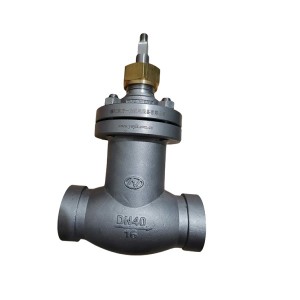
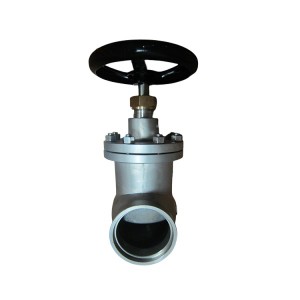
A double ball valve for oil stations combines two independently operated ball valves into a single body, sharing one connection point. Each side has its own ball, seat, and stem, controlled separately. One outlet can run continuous flow. The other can sit closed, or open to a different line, or serve as a drain point. The design saves space and piping compared to installing two separate valves, and it keeps both outlets tied to a common inlet without extra fittings.
Where It Goes and What It Does
In a power plant lube oil station, this valve typically sits where oil needs to reach two destinations from one point — a working supply line and a backup line, or a supply line and a sampling or drain connection. Lube oil stations run continuously for long stretches. Outages are planned months apart. That means one side of this valve, in a lot of installations, might stay in one fixed position for a very long time.
Ball Valve Basics, Quickly
A ball valve seals by rotating a sphere with a bore through it. Quarter turn, open to closed. The ball sits against a seat, usually a softer material like PTFE or a reinforced polymer, pressed against the ball’s surface to form the seal. Rotation is what keeps the interface functioning — it wipes the seat slightly with each cycle, distributes wear evenly, and prevents any one contact point from taking permanent set.
Standby duty removes that rotation. The ball sits in one spot. The seat holds constant contact against the same points on the ball surface, for months, sometimes longer.
Can It Actually Stick
Yes, this can happen, though “cold welding” in the literal metallurgical sense is not usually the right term for a ball-and-seat interface where the seat is a soft polymer, not metal-on-metal contact. What actually happens is closer to adhesion or seat set — the seat material deforms slightly under sustained pressure and temperature, taking a shape that matches the ball’s surface at that exact position. Over time, that conformed shape can resist breaking free when torque is applied to rotate the ball.
A few things drive this. Sustained contact pressure at one spot, without any relief. Elevated oil temperature, which softens some seat materials slightly and increases the rate of creep deformation. Extended time — weeks matter less than months, and months matter less than years. And sometimes contamination or oxidation products building up at the exact contact line, effectively gluing surfaces together rather than just deforming them.
The result, if it happens, is one of two things. Either the ball resists turning at all when someone tries to operate it — noticeably higher torque needed, or the valve simply will not budge with normal handle force. Or the ball turns, but the seat has taken a permanent set matching the old ball position, and it does not seal properly once the ball rotates to a new position. That second case is arguably worse, because the valve appears to function — it turns — but leaks internally afterward.
Other Reasons Standby Valves Fail to Seal
Sticking or seat set is not the only explanation when a standby-side valve gives trouble at switchover. A few other things produce similar symptoms.
Debris settling in the standby cavity over time. If the standby side sees no flow at all, sediment or degraded oil products can accumulate around the ball and seat area, and this alone can prevent smooth rotation or create a seal that will not close evenly, independent of any adhesion mechanism.
Seat material degradation from prolonged exposure without flow. Some polymer seats age differently under static load and static fluid exposure than they do under active flow conditions. Chemical breakdown, embrittlement, or loss of the seat’s spring-back property can happen even without adhesion to the ball.
Actuator or stem-side mechanical issues, unrelated to the ball-seat interface at all. A manual valve’s stem packing can stiffen over long idle periods. On an actuated valve, the actuator itself might have issues independent of anything happening at the seal. This is worth ruling out before assuming the seat is at fault.
Telling These Apart
Torque required to initially break the ball free is the first useful signal. Unusually high breakaway torque, followed by normal operation once it starts turning, points toward adhesion or seat set rather than debris — debris tends to produce gritty, inconsistent resistance throughout the stroke rather than one high initial spike.
Leak testing after a full stroke cycle helps separate seat set from a clean mechanical stick. If the valve turns without excessive resistance but leaks at the new position, seat deformation is the more likely explanation over a simple stuck-ball scenario. A valve that turns cleanly and seals properly afterward, but only after visible extra effort, suggests adhesion that broke free without lasting damage to the seat geometry.
History and duration matter here more than they do for a lot of valve problems. A standby side idle for two years is a stronger candidate for seat set than one idle for two months. Checking maintenance and operating logs for how long the standby side actually sat unused, and comparing that against known seat material properties from the manufacturer, narrows things down without needing to remove the valve.
Physical inspection, once the valve is pulled, settles it directly. A seat with a visible depression or flattened area matching the ball’s resting contact points confirms deformation. Debris or sludge found in the standby cavity confirms contamination as at least a contributing factor. A seat that looks intact and undamaged, combined with stem or actuator components that show wear or stiffness, points the problem away from the ball-seat interface entirely.
Reducing the Risk in Practice
Periodic exercising of the standby side is the most direct countermeasure. Rotating the valve through a partial or full stroke on a set schedule, even without a real operational need to switch flow, keeps the seat from settling into one fixed conformation and redistributes contact stress around the ball surface.
Selecting a seat material rated for long-term static contact under the oil station’s actual temperature range is worth confirming at the specification stage, since not every polymer seat performs the same way under sustained load versus intermittent cycling.
Where standby duration is expected to be long by design — not just as an occasional gap between maintenance windows — this should be discussed with the valve manufacturer directly, since some seat and ball surface finish combinations handle static duty better than others, and this is not always obvious from a general product datasheet.
What Buyers Should Confirm
For a double ball valve intended for lube oil station standby duty, confirm the seat material and its rated performance under prolonged static contact, not just under normal cycling service. Confirm the ball and seat surface finish, since a smoother finish generally resists adhesion better over long idle periods. Confirm the recommended exercising interval if the manufacturer provides one. Confirm operating torque specifications, both nominal and worst-case breakaway, so field torque readings can actually be compared against something meaningful rather than judged by feel alone.
Closing
Two outlets sharing one body solves a piping problem. It does not solve the problem of one side sitting still for a long time. A ball that never rotates is not guaranteed to stick — but the risk is real enough that it should factor into how a standby line gets maintained, not just how it gets installed. Periodic exercising costs very little. Finding out the seat has taken a permanent set during an actual switchover, under actual operating pressure, costs considerably more.
Post time: Sep-09-2026
-

lubricating oil filter element 2-5685-0154-99
-

Steam Turbine Shutoff Valve HGPCV-02-B30
-

Boiler Air Preheater Infrared array probe HSDS-...
-

EH Circulating Junction oil filter QTL-250
-

Regeneration device diatomite filter DL003001
-

Heat-resistance FFKM Rubber sealing O-ring
-

Stainless steel globe throttle check valve LJC ...
-

EH oil circulating pump oil filter element HC89...
-

Epoxy Phenolic Laminated Glass Fabric Slot Wedg...
-

Generator stator cooling water filter SGLQB-1000
-

Jacking oil pump discharge filter DQ8302GAFH3.5C
-

Compressed Air Filter Element LX-FF14020044XR