

Reliability is a word that gets used a lot in power plants. When we talk about the feed pump, which is a critical piece of equipment, reliability becomes a matter of continuous operation. To keep these pumps running correctly, engineers use a vibration monitor. Specifically, the CZJ-B3G vibration monitor is a common choice for tracking the mechanical health of these large pumps. Its job is to watch for excessive movement that could indicate a bearing failure or an unbalanced shaft. However, the hardware itself can sometimes run into trouble. Cables can break, or power supplies can become unstable. This article looks at how a high-quality vibration monitor handles these internal failures to prevent the system from shutting down the pump by mistake.
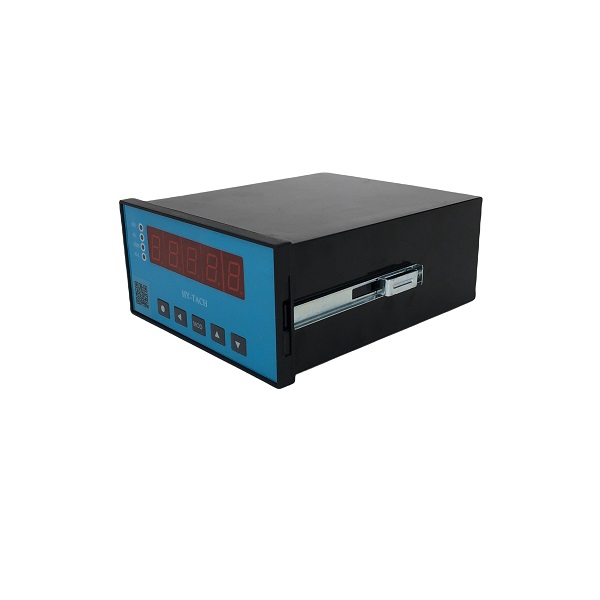
If you are currently looking for a replacement CZJ-B3G or need advice on other steam turbine spare parts, our technical team can provide the information you need. Making sure you have the right components on hand is the best way to avoid long repair times.
Why Reliable Detection Matters in Power Plants
In a typical power plant setting, the feed pump moves water into the boiler at high pressure. If this pump stops unexpectedly, the whole boiler system might have to shut down. This is why the vibration monitor is so important. It acts as a protective layer. If the pump starts to vibrate too much, the vibration monitor sends a signal to an alarm or a trip circuit. This allows the operators to fix the issue before the pump sustains permanent damage.
But what happens if the vibration monitor itself fails? If a sensor wire snaps, the device might think the vibration has suddenly become infinite. Without proper logic, the vibration monitor might trip the pump, causing a massive disruption. This is called a “false trip.” On the other hand, if the vibration monitor loses power and fails to report a real vibration problem, that is a “failure to trip.” Both situations are bad for the plant.
Handling Sensor Disconnections without False Alarms
The sensors used with a vibration monitor are often placed in harsh areas. They are exposed to heat, oil, and constant movement. Over time, the cables that connect the sensor to the vibration monitor can fray or pull apart. A basic instrument might see a broken wire as a change in signal and trigger an alarm.
The CZJ-B3G vibration monitor uses a “Sensor OK” circuit to prevent this. It constantly checks for a baseline electrical current or voltage coming from the sensor. If the wire breaks, the electrical signal falls outside of the normal working range. The vibration monitor recognizes this as a hardware fault rather than a vibration event. Instead of triggering the “Danger” relay, it turns on a fault light and might trigger a separate “Technical Alarm.” This tells the maintenance crew to check the wiring without stopping the pump.
Common Causes of Sensor Signal Issues
- Loose terminal connections inside the junction box.
- Physical damage to the shielded cable from nearby maintenance work.
- Corrosion on the sensor connector pins due to moisture.
- Internal failure of the vibration transducer itself.
Managing these issues is easier when you have a vibration monitor that can tell the difference between a broken machine and a broken wire. If you need to stock up on sensors or other steam turbine spare parts, feel free to reach out to us for a catalog of available items.
Managing Power Supply Abnormalities
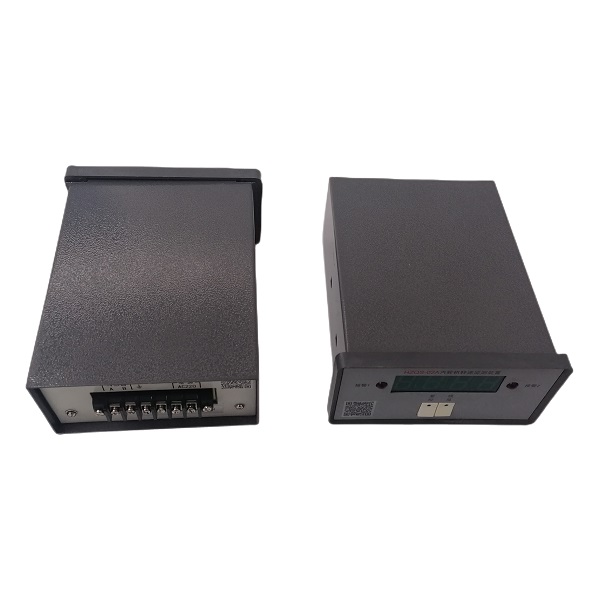
The electricity that powers a vibration monitor in a plant is usually stable, but surges or drops can still happen. A sudden drop in voltage could make the internal electronics of a vibration monitor act unpredictably. If the internal processor of the vibration monitor resets or fails, it could accidentally close a relay that trips the pump.
To stop this from happening, the CZJ-B3G vibration monitor includes power monitoring logic. When the power first comes on, the device enters a “Self-Test” mode. During this time, the output relays stay in a safe position. If the voltage drops below a certain level during operation, the vibration monitor will automatically disable its trip outputs. It essentially stays in a “last known safe state” or simply de-activates until the power is stable again. This ensures that a flicker in the plant’s electrical grid doesn’t lead to a total shutdown of the feed water system.
Technical Specifications and Fault Output Logic
Understanding how the vibration monitor communicates these faults is important for the people working in the control room. Usually, the vibration monitor has multiple ways to show that something is wrong.
| Feature | Function during Fault | Benefit |
|---|---|---|
| Sensor OK LED | Turns off or changes color if a wire breaks. | Quick visual check for technicians. |
| Fault Relay | A dedicated relay that closes when an internal error is found. | Alerts the DCS (Distributed Control System) without tripping the pump. |
| 4-20mA Output | Often drops to 0mA or 2mA during a sensor failure. | Allows the control system to log the fault as an error. |
| Trip Inhibit | Temporarily stops the trip relay from working during a fault. | Prevents expensive and unnecessary machine stops. |
This logic is a standard part of modern vibration monitor designs. It is one of the reasons why the CZJ-B3G is considered a reliable vibration monitor for high-stakes industrial use.
Choosing Quality Spare Parts
When it comes to maintenance, using the right parts is non-negotiable. A vibration monitor is a precision instrument, and it needs to work with compatible sensors and cables. Replacing a CZJ-B3G vibration monitor with a lower-quality alternative might save money initially, but it increases the risk of false trips or missed vibration events.
Many plants keep a stock of steam turbine spare parts so they can fix problems immediately. This stock often includes a backup vibration monitor, spare transducers, and pre-cut cables. If your plant is reviewing its inventory of steam turbine spare parts, we can help you identify which components are most likely to need replacement based on typical wear patterns.
How to Get Support
When you look at it, the CZJ-B3G vibration monitor does more than just tell you how much a pump is shaking. It is built to keep an eye on its own status too. Since it can tell when a sensor is disconnected or if the power is acting up, the vibration monitor stops your feed pump from shutting down for no good reason. Having this kind of safety in place is what keeps a power plant running without a lot of extra headaches for the repair crew.
If you find that you need to get a new vibration monitor for your plant, we carry many different types of industrial tools and steam turbine spare parts for customers everywhere. You might be trying to fix a specific error on a CZJ-B3G or maybe you just want to get a better vibration monitor than the one you have now. Either way, our team can help you figure it out. You can reach out to us right now if you want a price for the CZJ-B3G vibration monitor or if you have questions about our other steam turbine spare parts. We ship things out quickly and we can give you the technical help needed to keep all your machines safe and working hard.
E-mail: sales@yoyik.com
Tel: +86-838-2226655
Whatsapp: +86-13618105229
Yoyik offers various types of power plants spare parts for steam turbines, generators, boilers as below:
LVDT vavle TV1 TDZ-1-50
Coal flow sensor XD-TH-2
Eddy Current Sensor PR6424/001-021
Gas flow purity analyzer transmitter GD6102-H
Gas filter 5E-IRSII Sulphur analyzer
AC Current transducer S3-AD-1-15A40
SWITCH PROXIMITY XS118BLFAL2
Pressure switch 107AL-N40-P1-F1A-RR
Armored Double Channel Pt-100 WZPK2-336S
Eddy Current Signal Converter CON021/914-080
LVDT Sensor AT-4000TD
Speed sensor SDR-32
displacement measurement transducer ZDET-100B
Seal Oil Pressure Switch CS-III
Air Pressure Regulator with Gauge 06E17A21AC
intelligence Hand Operator NPDF-Q11FD2
Bolt electric heating rod ZJ-20-T5A
Post time: Mar-11-2026
-

EH oil main pump suction filter HQ25.200.11Z
-

WJ series hydrogen system bellows globe valve
-

Generator motor electric tool carbon brush
-

Gas turbine actuator filter CB13300-001V
-

Boiler water cooling wall tube of power plant
-

BR110 air filter Compressed air impurity filtra...
-

MG00.11.19.01 coal mill Hydraulic reversing valve
-

Electrohydraulic converter oil filter element S...
-

Stainless Steel Oil Level Meter DYW-250
-

Sealing Oil Differential Pressure Valve KC50P-97
-

Needle Type Globe Valve SHV6.4
-

Stainless Steel Hydraulic Oil Filter 0850R020BN3HC