
Best Adhesive: Cheap Quotes for Top Bonding Solutions
From my side, choosing the Best Adhesive for your operation is a serious decision, and I’m here to help. This Best Adhesive is engineered for demanding B2B applications, delivering fast tack, strong shear and long-term durability on metals, plastics, ceramics, and composites. It resists heat, moisture and chemical exposure, so your assemblies stay reliable in harsh environments. I offer flexible packaging, consistent supply, and traceable QC to fit your process. If price is a priority, I can show you cheap options without sacrificing performance, and I provide clear Quotes for your bulk orders, so you know the true cost upfront. Our application window is forgiving, cleanup is straightforward, and cure times align with high-speed production. We support on-site trials, technical data sheets, and dedicated customer support. In short, this Best Adhesive delivers repeatable results, lower downtime, and real value for your line. Let’s discuss your volumes, timing, and any special requirements—my team is ready to tailor a solution that fits.

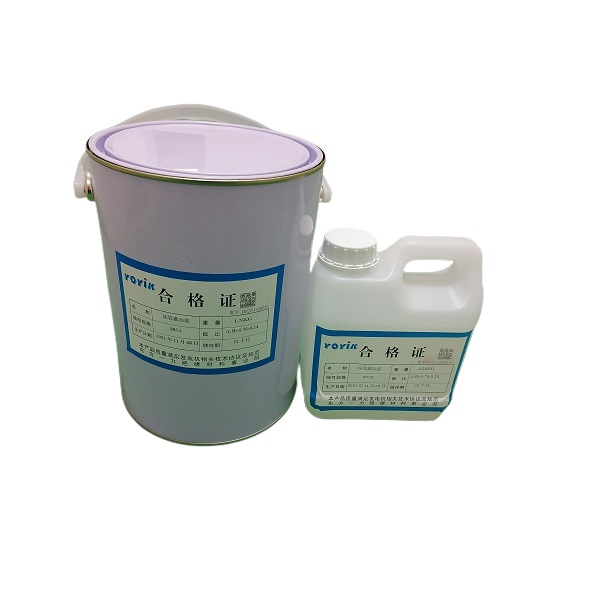


Best Adhesive Manufacturer Now Trending
Top adhesive manufacturers are trending now thanks to R&D-driven formulations and resilient global supply chains. From industrial bonding to electronics encapsulation and construction sealants, modern adhesives enable lighter designs, faster production, and longer service life. Global buyers want suppliers who deliver consistent quality, scale, and cross-border support in a dynamic market. Leading suppliers differentiate themselves with broad product lines, co-development capabilities, and rigorous QA. Look for ISO 9001, REACH/RoHS compliance, and accredited testing labs. A capable partner offers custom formulations, low-VOC or UV-curable options, and precise batch control, traceability, and transparent labeling. Multi-site manufacturers can ensure stable supply and agile logistics for global demands. When evaluating a supplier, seek strong technical support, samples and pilot runs, clear lead times, scalable packaging, and reliable after-sales service. Trends favor sustainable adhesives that perform in harsh environments while reducing environmental impact. Aligning with a responsive, quality-focused partner helps global buyers accelerate time-to-market and secure end-to-end bonding solutions.
| Adhesive Type | Primary Chemistry | Typical Applications | Cure Method | Open Time / Working Time | Full Cure Time | Typical Shear Strength (MPa) | Typical Peel Strength (N / 25 mm) | Recommended Temp Range (°C) | Typical VOC (g/L) | Common Certifications | Sustainability Score (1-10) |
|---|---|---|---|---|---|---|---|---|---|---|---|
| Epoxy (Two‑part) | Epoxy resin (reactive two‑component) | Structural bonding of metals, composites, laminates | Chemical (two‑part) | 5–60 min (formulation dependent) | 24–72 h | 20–40 | 5–30 | -40 to 120 | ~50 | ISO 9001, REACH, RoHS | 5 |
| Polyurethane (PUR) | Polyurethane (1K or 2K) | Flexible joints, automotive seals, footwear, composites | Moisture cure / two‑part | 10–30 min | 24–72 h | 5–15 | 10–40 | -40 to 90 | 50–250 | REACH, ISO 9001, RoHS | 6 |
| Cyanoacrylate (CA) | Cyan0acrylate monomers (instant adhesives) | Instant bonds for small parts: plastics, rubber, metals | Anionic (moisture-activated) | <60 s | Minutes (full strength in minutes to 24 h) | 10–25 | 1–10 | -50 to 80 | <5 | ISO 9001, REACH | 6 |
| Silicone (RTV) | Silicone elastomer (neutral or acetic cure RTV) | Seals, gasketing, electronics, high‑temperature joints | Moisture cure | 10–30 min | 24–48 h | 1–3 | 2–20 | -60 to 200 | <50 | ISO 9001, REACH, RoHS, (selected grades: FDA) | 6 |
| Structural Acrylic | Methacrylate / acrylic structural systems | Automotive panels, glazing, composite bonding | Reactive two‑part or surface activated | 1–10 min | ~24 h | 15–30 | 5–25 | -40 to 120 | ~100 | ISO 9001, REACH, RoHS | 5 |
| Hot Melt (EVA / Polyolefin) | Thermoplastic hot melt polymers | Packaging, woodworking, product assembly | Solidification on cooling | Seconds (melt open time) | Immediate after cooling | 3–10 | 5–30 | -20 to 80 | 0 | ISO 9001, REACH | 7 |
| Pressure Sensitive Adhesive (Acrylic PSA) | Acrylic pressure‑sensitive polymers | Tapes, labels, protective films, signage | Adhesion / drying (no chemical cure) | N/A (instant tack) | Immediate | 1–5 | 5–40 | -20 to 120 | <50 | ISO 9001, REACH | 6 |
| PVA (Polyvinyl Acetate) | Water‑based PVA emulsion | Woodworking, paper, porous substrates, crafts | Water evaporation | 5–15 min | ~24 h | 3–6 | 2–15 | 5 to 40 | <10 | ISO 9001, REACH | 8 |
| Anaerobic (Threadlocker / Retaining) | Methacrylate anaerobic formulations | Threadlocking, retaining rings, metal seals | Anaerobic (absence of air + metal ions) | 5–20 min | ~24 h | 10–30 | 1–10 | -55 to 150 | <20 | ISO 9001, REACH | 5 |
| UV‑curing (Acrylic / Urethane) | UV‑reactive acrylates / urethane acrylates | Optical bonding, electronics, medical device assembly | UV light exposure | Seconds–minutes (before cure) | Seconds under adequate UV dose | 20–40 | 3–20 | -40 to 120 | <5 | ISO 9001, REACH, (selected grades: FDA) | 7 |
Related Products


Best Adhesive Industry Giant Where Innovation Meets 2025
Top Selling Products


- Related Blog
- Reviews
