

HSNH280-43Z triple screw pump is the core for generator seal oil system recirculation. It maintains steady seal oil supply. And it stops hydrogen from leaking out of the generator. Once outlet pressure or flow drops abnormally, the whole system balance goes off. Don’t disassemble blindly—it’s a waste of time, and may make faults worse. No need for complex devices. Just observe on site. Do simple checks, and you can find the cause quickly. Maybe the pump body’s performance is down, or the inlet filter is clogged. It could also be system backpressure changing. Find the right cause, maintenance becomes efficient. The seal oil pump runs well then, and the generator seal oil system stays stable.
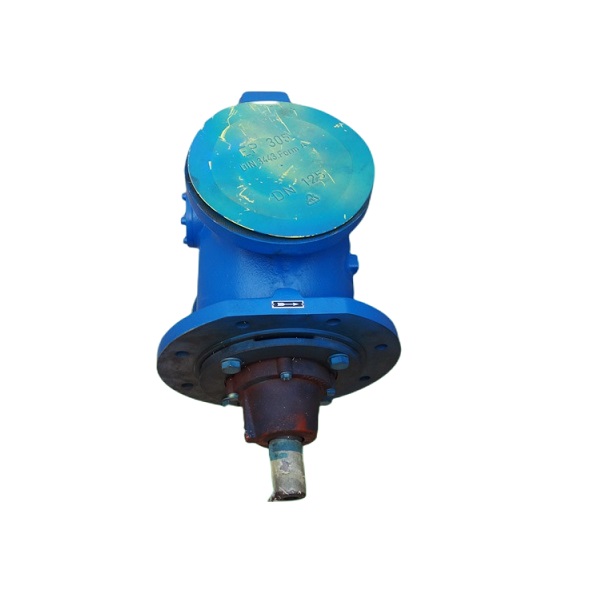
1. Inlet Filter Clogging: Easy to Judge from Obvious Signs
The inlet filter of HSNH280-43Z seal oil pump catches impurities in the seal oil. Run it for a long time, sludge piles up. Metal particles also build up gradually. Finally, it gets clogged. This fault happens often. It has clear signs. You can tell it just by simple observation on site.
First, keep an eye on pressure and flow. When clogged, suction resistance increases. The seal oil pump’s outlet flow goes down bit by bit. Outlet pressure swings, but stays low overall. Compare with normal operation data. If flow keeps dropping and pressure is unstable, it’s probably filter clogging. Check the pressure difference across the filter too. If it rises much beyond the normal range, clogging is certain.
Noise is different too. Clogging causes a low suction noise. The pump also vibrates slightly. The noise comes and goes. It changes along with flow fluctuations. Shut down the pump, take the inlet filter apart. If there’s sludge and impurities on the filter element, that’s the fault. Clean the filter or replace it. Usually, the seal oil pump will work normally again. If your seal oil pump often lacks flow, check the inlet filter first. Replace it with a high dirt-holding one if needed. We have suitable inlet filters for HSNH280-43Z seal oil pumps.
2. Pump Body Performance Degradation: Recognize from Vibration and Noise
Pump body performance degradation covers many issues. Screw wear is one. Bearing damage and seal failure are others. These faults have unique vibration and noise signs. They’re easy to tell apart from filter clogging and backpressure changes.
Vibration and noise are closely linked. If the bearing is damaged, there’s regular high-frequency noise from the pump body. Vibration focuses on both ends of the pump shaft. Touch the bearing area—you’ll feel obvious heat. Vibration frequency changes as the speed changes. Screw wear or imbalance causes low-frequency rumbling. The whole pump vibrates. Flow drops, and outlet pressure fluctuates periodically.
Seal failure is also a pump body problem. Besides slight noise, it leads to seal oil leakage. You can see oil seeping from the pump shaft seal—that’s a clear sign. This fault won’t get better even after shutting down and letting it stand. Take the pump apart, and you’ll find worn bearings. Sometimes screws are deformed, or seals are aged. You have to replace the faulty parts. Our team can do on-site inspection for HSNH280-43Z seal oil pump body faults.
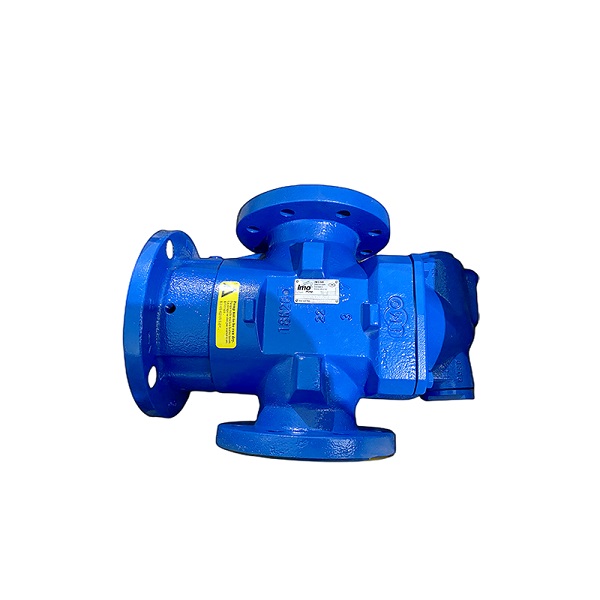
3. System Backpressure Change: Check Pipes and Valves
System backpressure changes are usually from pipe blockages. Valve malfunctions can cause it too. Other system-related problems may also lead to this. Its performance signs are different from pump body and filter faults. You need to judge comprehensively. Combine system parameters with pipe checks.
Watch the pressure and flow trends. When backpressure increases, outlet pressure rises steadily, but flow drops. Unlike filter clogging, pressure doesn’t swing much. Check the system valves. If a valve is closed or half-closed, it will raise backpressure. Pipe blockage or sludge buildup also changes backpressure. Inspect the pipes—look for local overheating, and check if there’s any leakage.
Another sign: adjust the seal oil pump’s output. It won’t help flow much. The pump runs normally, no abnormal noise or vibration. That means the problem isn’t with the pump itself—it’s system backpressure. Shut down, check pipes and valves. This helps find blockages or malfunctions. We provide system debugging services for seal oil pump backpressure issues.
4. Three-Step On-Site Check: Locate Faults Fast
On-site maintenance uses a three-step method. It helps locate faults quickly. This boosts work efficiency, and cuts down downtime.
Step 1: Static check. Turn off the seal oil pump. Close the inlet and outlet valves. Take the inlet filter apart. Clean it if clogged; replace it if it’s too worn. Rotate the pump shaft by hand. If it turns smoothly, there’s no serious pump body wear or bearing jamming.
Step 2: Dynamic test. Start the pump without load.If noise and vibration are normal, the pump body is fine. Open the valves slowly to add load. If pressure is stable but flow drops, it’s backpressure change.Fluctuating pressure plus low flow means filter clogging.
Step 3: Auxiliary verification. Check the system’s pipes and valves. Clean them if they are blocked. If needed, use a flowmeter to test the pump body’s performance. Then compare the data with factory standards. This help to confirm whether the pump’s performance has degraded.
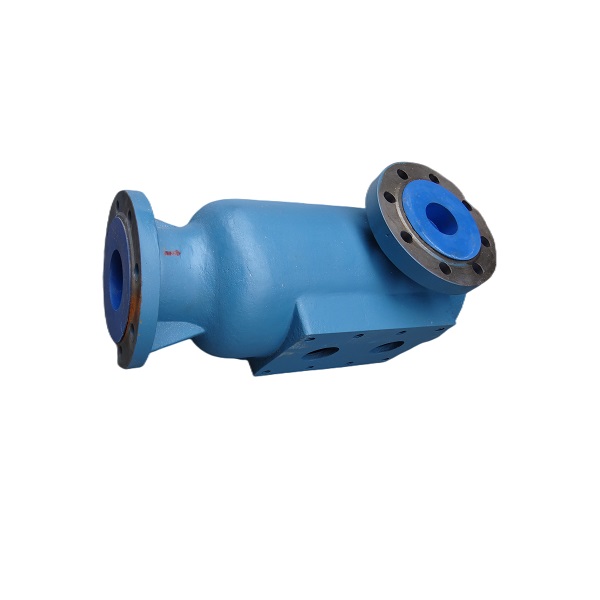
5. Daily Maintenance: Cut Down Abnormal Faults
Regular maintenance reduces abnormal pressure and flow drops of HSNH280-43Z seal oil pump. Clean the inlet filter every month, replace it every quarter. Check the pump body’s vibration every week, and monitor noise too. Record operation parameters, so you can compare them later.
Use genuine parts when replacing. Screws, bearings and seals must match the pump model. Poor-quality parts make performance degrade faster. We supply original accessories for HSNH280-43Z seal oil pumps. This ensures long-term stable operation.
Conclusion: Accurate Judgment Boosts Efficient Operation
HSNH280-43Z seal oil pump’s abnormal pressure and flow drops have different causes. Master simple differentiation methods. This avoids blind disassembly, saves maintenance time. It also keeps the generator seal oil system stable. High-quality seal oil pumps are essential, and standardized maintenance is also key for reliable operation.
Need original HSNH280-43Z seal oil pumps? Or accessories, on-site fault diagnosis? Contact us. We provide genuine products, and professional technical support. Our team helps solve seal oil pump operation issues, safeguarding stable generator operation.
E-mail: sales@yoyik.com
Tel: +86-838-2226655
Whatsapp: +86-13618105229
Yoyik offers various types of power plants spare parts for steam turbines, generators, boilers as below:
Quick Closing Valve Q661Y-64
Electric Regulating Valve (Electric Pressure Holding Valve) T968Y-1500Spl Wcb
Solenoid Valve 081Wv06P1V1005Ws024/00D0
Ball Valve Q11F-16C
Condensation Water Trap Valve 1F05407
Gear Pump 2Pb6.2D C28P1-V-Vs40
Butterfly Valve D371X-10Q
Stop Valve J61Y-P5650I
Stop Valve J961Y-250V
Electric Vacuum Gate Valve Dkz941Y-16C
Swing Check Valve H64Y-600Lb
Block Valve Sd61H-P3535
Gate Z41T-10Z
Electric Stop Valve J961Y-P54.540V
Stop Valve J41J-100
Butterfly Valve D41W-10C
Electric Stop Valve J961Y-P54.5160V
Electric Stop Valve J961Y-1500(I)Spl
Moog Valve D633-303B
Pressure Reducing Valve Dn40 D06F-1 ½ A
Stop Valve J61Y-150Lbr
Stop Valve J61Y-P55160I Sa-182 F22
Stop Valve J961Y-250I
Motorize Valve Sr13Gb32046B4
Bellows Valves Khwj80F1.6P
Throttle Valve Nfdc-Lan
Throttle Valve L61W-2000Lb
Fluid Coupling Yox-450
Post time: Jan-09-2026
-

Generator RTV epoxy adhesive J0792
-

Hydraulic oil return filter element CRA110CD1
-

Accumulator air inlet valve QXF-5
-

Stator coil surface HR anti-corona varnish 1244
-

SHV4 EH oil system needle globe valve
-

Circulating pump EH oil return filter DR1A401EA...
-

Hydraulic oil system filter element FAX 250*10
-

FY-40 floating valve of Generator seal oil floa...
-

Generator Hydrogen sealing Sealant D25-75
-

Oil filter coarse filter DR913EA10V/-W
-

LVDT Position Sensor HTD-100-3
-

EH Oil Main Pump Discharge Oil Filter Element D...