

When something goes wrong with an oil-immersed transformer’s oil level indication, the question is always the same: is this a real problem or an instrument reading? Engineers working on substations or industrial power distribution know how disruptive a false alarm can be — but they also know ignoring a genuine oil loss is worse. The YZF2-200TH oil level gauge is the instrument most likely to generate that question, and understanding how it works is the first step toward answering it.
What the YZF2-200TH Actually Does
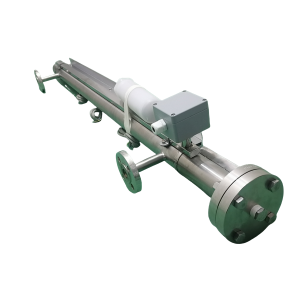
The YZF2-200TH is a pointer-type oil level gauge designed specifically for oil-immersed power transformers and on-load tap changers (OLTC) with conservator tanks. It shows the oil level inside the conservator on a graduated dial, with a pointer driven by a mechanical transmission chain — not an electronic sensor, not a pressure transducer.
The gauge also carries remote alarm capability. When the oil level drops below or rises above set thresholds, it sends dry contact signals to the monitoring panel, triggering high and low oil level alarms. This dual function — local indication plus remote alarm — is what makes the YZF2-200TH a standard choice across MV and HV transformer installations.
The Mechanical Transmission Chain: From Float to Pointer
The operating principle of the YZF2-200TH is float-ball magnetic coupling. That is a specific and important distinction from float gauges that use direct mechanical linkage to a sealed housing. Here, the drive crosses a sealed wall without any penetration, using magnetic force to transfer rotation.
The full transmission path runs like this:
- Float ball — sits on the oil surface inside the conservator, rises and falls with oil level
- Connecting rod — converts vertical float movement into rotational motion
- Gear linkage — amplifies and transmits the rotary angle to the magnetic coupling
- Magnetic coupling — transfers rotation across the sealed housing wall without physical contact
- Pointer — displays the resulting angle on the calibrated dial
Each link in that chain is a potential failure point. When the pointer stops responding correctly, one of those links has failed — and the fault behavior usually tells you which one.
Interpreting Abnormal Indications: What the Gauge Is Telling You
Indication Stays Fixed Despite Oil Temperature Changes
Transformer oil expands as temperature rises and contracts as it cools. On a healthy gauge, you should see small but observable pointer movement across a normal operating day. If the pointer is frozen — not moving at all over hours — something in the mechanical chain has seized or broken.
The most common cause is float ball jamming. The float can become stuck against the interior wall of the conservator, especially if sediment, sludge, or paint flakes have accumulated over years of operation. It can also occur if the float has partially flooded with oil due to a pinhole leak in the float body, causing it to sink and rest on the tank bottom.
A stiff or bent connecting rod is another possibility. If the rod has corroded, deformed, or been mechanically disturbed during past maintenance, it may no longer transfer the float’s movement upward through the mechanism.
Pointer Drops Abnormally to Zero
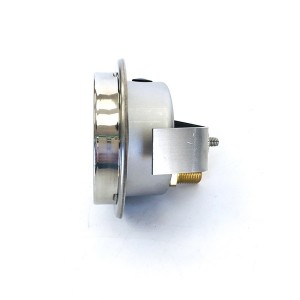
This is the scenario that triggers the most urgent investigation calls. The pointer reaches the zero position — often interpreted as critically low oil — but the transformer may be operating normally, with no Buchholz relay activation, no thermal overload, no unusual noise.
Three mechanical causes are worth checking before concluding there is real oil loss:
- Magnetic coupling failure — The inner and outer magnets of the coupling can decouple if the relative position shifts beyond their magnetic holding force. This typically causes the pointer to drop to zero instantly rather than gradually. Once decoupled, the gauge reads nothing regardless of actual oil level.
- Gear mesh failure — The gear linkage between the connecting rod and the magnetic coupling assembly contains small-module gears that can strip teeth, particularly after years of vibration. A stripped gear means the rotary signal simply doesn’t reach the magnetic coupling.
- Float ball flooding — If the float has developed an internal leak, it may sink completely, pulling the connecting rod to its lowest travel, which reads as zero on the dial.
Pointer Climbs to Full Scale Without Explanation
An opposite but equally suspicious situation: the pointer moves to the maximum (full) position while operating conditions haven’t changed significantly. The most probable cause here is that the connecting rod has bent or deformed in a way that forces the float mechanism toward its upper stop. Corrosion-induced binding can also push the gear train toward a fixed upper position if the transmission seizes partway through a rotation.
In rare cases, a reversed magnetic coupling (from improper reassembly after maintenance) can also invert the reading direction, causing the gauge to display high when actual level is low, or vice versa.
The Critical Diagnostic Question: Real Oil Loss or Instrument Fault?
When the transformer oil level gauge suddenly reads zero, the response procedure matters. Acting on a false reading can lead to unnecessary emergency shutdowns, costly oil sampling procedures, and downtime. Missing a real oil loss is far more serious — it can result in insulation failure, bushing damage, or transformer fire.
The fastest and most reliable field check is a cross-reference between the YZF2-200TH reading and an independent indication source on the same transformer.
Using the Buchholz Relay Sight Glass
Most oil-immersed power transformers above a certain kVA rating are equipped with a Buchholz relay (gas relay) installed in the pipe connecting the transformer main tank to the conservator. The Buchholz relay has a small transparent sight glass on its body. Under normal conditions, this sight glass shows oil — the relay is fully immersed.
If the oil level gauge reads zero but the Buchholz relay sight glass still shows oil, the transformer has not lost a significant amount of oil. The conservator still has enough oil to fill the connecting pipe and the relay housing. In this case, the zero reading is almost certainly an instrument fault.
If both the oil level gauge and the Buchholz relay sight glass indicate oil loss — especially if the sight glass shows partial or complete air — the probability of actual oil loss increases sharply, and a more thorough inspection is warranted.
A Quick Comparison Reference
| YZF2-200TH Reading | Buchholz Relay Sight Glass | Likely Conclusion |
|---|---|---|
| Zero / Abnormally Low | Oil present (normal) | Instrument fault — inspect gauge mechanism |
| Zero / Abnormally Low | Air visible / oil low | Possible real oil loss — inspect transformer |
| Normal | Oil present (normal) | Normal operation |
| Full Scale (abnormal) | Oil present (normal) | Gauge stuck or inverted — inspect gauge |
This cross-check takes under two minutes at the transformer and can prevent an unnecessary emergency response in most cases of instrument-side faults.
Common Causes Summary and Maintenance Notes
Maintenance teams working with the YZF2-200TH across multiple transformers often see certain faults cluster around specific operating ages or environmental conditions. High-humidity sites accelerate connecting rod corrosion. Transformers that haven’t had oil filtered or topped off in many years are more likely to have float ball contamination issues.
Preventive checks worth scheduling during routine outages:
- Verify pointer movement by manually applying slight heat (such as warm oil from a controlled sample) near the conservator and watching for a pointer response
- Inspect the magnetic coupling alignment and confirm the pointer returns correctly through full range
- Check the float ball visually for oil ingress (a flooded float will be heavier than expected and may rattle if there’s partial flooding)
- Confirm alarm contacts operate at the correct threshold levels after any gauge replacement
If you’re specifying the YZF2-200TH for a new installation or a replacement project, confirm the flange mounting dimensions and the alarm contact rating match your SCADA or panel specifications — these details occasionally differ between batches from different manufacturers supplying this gauge series.
Selecting and Sourcing the Right Gauge
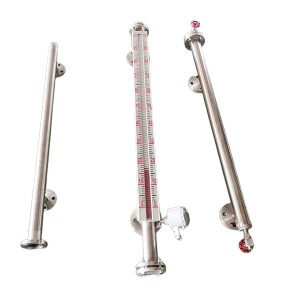
The YZF2-200TH level gauge is manufactured to match standard conservator configurations used across IEC-compliant oil-immersed transformers. When sourcing replacements, verify the dial range, the connection type, and the voltage rating of the remote signal contacts. A mismatch in contact ratings can cause false trips on the monitoring system even when the gauge itself is functioning correctly.
For procurement engineers and plant maintenance managers evaluating options — whether for a single unit replacement or a bulk specification across a substation upgrade — it’s worth requesting documented conformance to the relevant IEC or national standards from the supplier, along with calibration records for the specific batch.
If you need technical datasheets, dimensional drawings, or sourcing support for the YZF2-200TH or related transformer accessories, reaching out to a supplier that specializes in transformer protection and monitoring instruments will get you more accurate specifications than a general distributor catalog.
Final Notes
The YZF2-200TH oil level gauge is a reliable instrument when it’s working, but its mechanical transmission chain means faults can be subtle and sometimes misleading. Understanding which component in the float-to-pointer chain is most likely to fail under specific conditions allows engineers to diagnose problems faster and with more confidence.
A frozen pointer, a sudden zero reading, or a stuck-at-full indication each points toward a different root cause. And the Buchholz relay sight glass remains one of the simplest, fastest tools available for separating a real emergency from a gauge fault — no special equipment required.
Post time: Jun-24-2026
-

30-150-207 regeneration device diatomite oil fi...
-

SL-1250 Generator stator cooling water filter e...
-

Hydraulic oil filter element LX-HXR25X20
-

DN80 Sealing oil vacuum tank floating valve
-

SZC-04FG wall mounted rotational speed monitor
-

Steam Turbine Shutoff valve F3RG03D330
-

Oil purifier filter element P2FX-BH-30X3
-

Bellows relief valve BXF-40
-

LVDT Sensor TDZ-1E-32
-

Hydraulic system air filter element QUQ2-20×1
-

Hydraulic Adjustable Pressure switch ST307-350-B
-

Generator Hydrogen sealing Sealant D25-75