Essential Components for Bearing Seat Repair & Maintenance Systems
The Critical Role of Bearing Seat Repair in Modern Industrial Plants
In the heart of modern industrial plants, rotating machinery forms the backbone of continuous production. From massive steam turbines and high-voltage generators to heavy-duty pumps, fans, and gearboxes, the mechanical reliability of these assets directly dictates operational efficiency and plant profitability. At the center of this mechanical assembly is the bearing seat (often referred to as the bearing housing or journal pocket). The bearing seat is engineered to hold the bearing outer ring in precise alignment, ensuring uniform load distribution, minimized vibration, and optimal thermal dissipation.
However, under the relentless demands of high-speed rotation, heavy radial and axial loads, and harsh operating environments, bearing seats are highly susceptible to degradation. Over time, factors such as fretting corrosion, structural fatigue, thermal expansion cycles, and improper lubrication lead to dimensional wear. When the tolerance between the bearing outer ring and the housing seat deviates by even a few micrometers, the consequences can be catastrophic. The resulting misalignment triggers severe vibration, accelerates bearing fatigue, increases energy consumption, and can ultimately lead to catastrophic equipment failure.
The Industrial and Commercial Reality of Downtime
For heavy industries such as thermal and hydropower plants, steel mills, petrochemical refineries, and pulp and paper mills, unplanned downtime is exceptionally costly. The replacement of a major housing component—such as a steam turbine casing or a multi-megawatt generator end shield—can require lead times of several months and capital expenditures reaching hundreds of thousands of dollars.
Consequently, in-situ bearing seat repair has transitioned from a temporary emergency measure to a strategic maintenance paradigm. By utilizing advanced refurbishment techniques, industrial plants can restore worn bearing housings to their original manufacturer specifications (OEM) within a fraction of the time and cost required for replacement. This proactive life-extension approach aligns perfectly with modern industrial sustainability goals, minimizing material waste and reducing the carbon footprint associated with manufacturing new heavy steel castings.
The Company
Dongfang Yoyik (Deyang) Engineering Co., Ltd. founded in 2004, is located in Deyang, Sichuan, the heavy industry base of China. YOYIK is a manufacturer and trader of industrial products, integrating design, R & D, production, sales, and service. The team has more than 20 professional technicians and experienced sales representatives to provide you with professional, reliable, and considerate services.
Our major products and services include: steam turbine spare parts, steam turbine generator spare parts, utility boiler spare parts, control system parts, hydraulic components, pneumatic components, filters, filter elements, EH system accessories, bolt heaters, insulating materials, sealant, Babbitt alloy bearings, DC motor / AC motor accessories, motor repair, and more. Our products cover different fields such as thermal power generation, hydropower generation, minerals, chemicals, paper mills, and maritime shipping, and are sold to more than 30 countries and regions in Europe, Southeast Asia, South America, and Africa.
The rapid development of YOYIK has received strong support from all walks of life. The needs of our users are our reason for existence. Our philosophy is to always care about user needs and help users solve their engineering issues.
Advanced Technologies in Bearing Seat Restoration
Restoring the mechanical integrity of a bearing seat requires selecting a repair methodology that matches the base material, the extent of wear, and the operational stressors of the machine. Over the years, several advanced techniques have emerged as industry standards, replacing crude shimming or basic welding methods that often introduced stress concentrations and thermal distortion.
1. Laser Cladding (Additive Manufacturing)
Laser cladding is a cutting-edge additive manufacturing process that uses a high-energy laser beam to melt a metal powder onto the substrate of the bearing seat. Because the laser heat is highly localized, the heat-affected zone (HAZ) is extremely small. This prevents the thermal warping of large casings, making it an exceptional choice for high-precision turbine bearing housing repairs. The resulting cladding layer forms a true metallurgical bond with the base material, offering superior shear strength and wear resistance.
2. Thermal Spraying (HVOF & Arc Spraying)
High-Velocity Oxygen-Fuel (HVOF) and twin-wire arc spraying are thermal spray processes where molten or semi-molten metals are accelerated at supersonic speeds onto the prepared bearing seat surface. This technique allows maintenance engineers to apply hard, wear-resistant coatings (such as chrome-carbide or nickel-based alloys) to rebuild worn dimensions. Thermal spraying is highly valued for its ability to apply thick layers without altering the metallurgy of the parent metal, as the substrate temperature typically remains below 150°C during application.
3. Selective Brush Electroplating
For minor wear (typically under 0.5mm), selective brush electroplating offers a highly precise, portable solution. This electrochemical deposition process allows technicians to plate localized areas with metals like nickel, copper, or cobalt. Because it is a cold process, there is zero risk of thermal stress, cracking, or distortion. Once plated, the surface can be hand-polished or machined back to the exact tolerance required.
4. Sleeve Insertion and Boring
When a bearing seat has suffered extensive damage or structural cracking, a traditional yet highly reliable mechanical repair involves boring out the damaged housing to a larger diameter and shrinking in a custom-machined steel sleeve. The inner diameter of the sleeve is then finish-machined to match the original bearing outer diameter. This technique relies on a precise interference fit, often enhanced by high-strength anaerobic retaining compounds, to ensure the sleeve remains locked in position under dynamic loads.
Why Choose Us
Rich experience: Spare parts expert in the power industry since 2004.
Powerful enterprise: One-step service for industrial traders and end-users.
Wide range of products: Over 3000 types of spare parts at your choice.
Professional service: Experienced and skilled engineers, intellectual property patents.
Advanced equipment: High-tech production equipment and professional testing devices.


Deep Application Scenarios Across Industrial Sectors
Bearing seat degradation manifests differently depending on the specific equipment and the environment in which it operates. Understanding these sector-specific challenges is essential for developing tailored repair and maintenance strategies.
Thermal and Hydropower Generation Plants
In power generation plants, the reliability of steam turbines, gas turbines, and generators is paramount. The bearing seats of these machines are subjected to massive rotor weights, thermal expansion during startup, and high rotational speeds (often 3000 to 3600 RPM). Minor wear in the bearing housing can lead to high vibration amplitudes, triggering automatic safety trips and halting power generation.
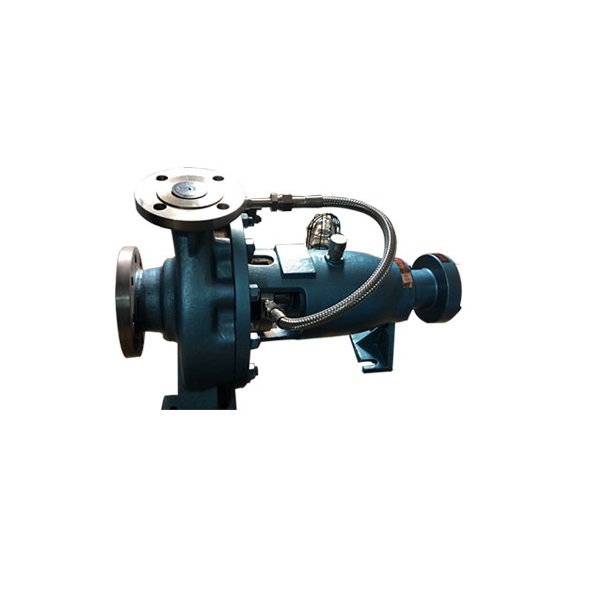
During major overhauls, in-situ boring and laser cladding are frequently deployed to restore turbine bearing pedestals. Additionally, auxiliary systems—such as high-pressure boiler feed pumps and stator cooling water pumps (like the YCZ50-250C)—rely on precision-machined bearing housings to maintain hydraulic stability and prevent shaft deflection.
Steel Rolling and Metallurgical Mills
Steel mills present one of the most hostile environments for bearings. Roll neck bearing seats in hot and cold rolling mills operate under extreme cyclic loads, high shock forces, and constant exposure to cooling water, scale, and iron dust. Water ingress leads to rapid corrosion of the housing bore, while heavy loads cause mechanical deformation.
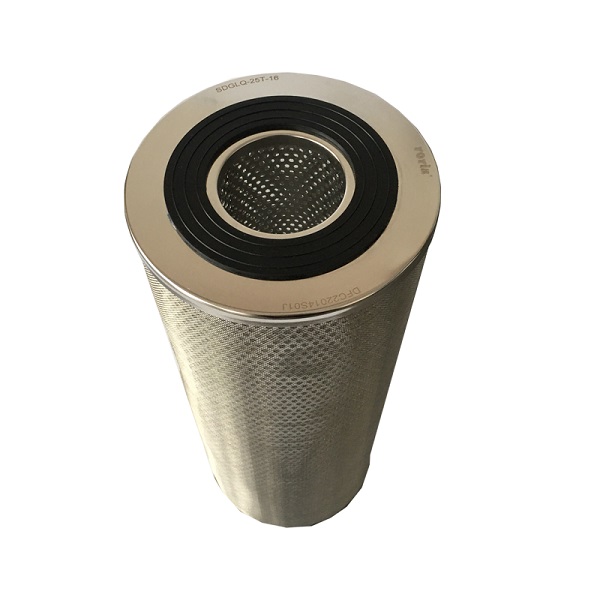
Restoring these massive bearing housings requires high-strength weld overlays or thermal spraying with cobalt-based alloys to provide the necessary wear and corrosion resistance. Proper filtration of lubrication oil via precision oil filters is also critical to prevent abrasive particles from entering the bearing clearance and accelerating seat wear.
Pulp and Paper Manufacturing
In paper mills, dryer cylinder bearing seats operate under high steam temperatures and wet environments. The continuous thermal cycling can lead to structural distortion of the bearing housings, resulting in bearing misalignment. This misalignment causes uneven paper drying, paper breaks, and premature bearing failure. Repairing these housings typically involves using portable boring bars to restore alignment and circularity directly on the machine frame, minimizing production interruption.
Our Services
The History

Future Trends in Bearing Seat Repair and Predictive Maintenance
The industrial maintenance landscape is undergoing a digital transformation, and bearing seat maintenance is no exception. Traditional reactive maintenance—where bearing housings are only inspected after a breakdown—is being replaced by predictive and proactive asset management strategies.
Integration of IoT Sensors and Real-Time Monitoring
Modern industrial plants are increasingly installing vibration sensors, acoustic emission detectors, and thermal sensors directly onto bearing housings. These IoT devices continuously monitor the operating state of the bearing. An increase in vibration or a spike in temperature often points to early bearing seat wear or misalignment. By capturing this data in real time, maintenance teams can schedule repairs during planned shutdowns before the wear compromises the structural integrity of the housing.
AI-Driven Diagnostic Software
Artificial intelligence and machine learning algorithms are now being trained to analyze complex vibration patterns (fast Fourier transforms) to pinpoint the exact nature of a bearing fault. These tools can distinguish between a failing bearing element, a lubrication issue, and a loose bearing seat (mechanical looseness). This level of diagnostic precision allows engineers to prepare the exact tools, materials, and repair equipment (such as laser cladding units or custom sleeves) before the machine is even opened.
Sustainable Refurbishment and Circular Economy
As industrial sectors face stricter environmental regulations and carbon neutrality goals, repairing heavy machinery components is becoming the preferred choice over purchasing new ones. Refurbishing a bearing seat via thermal spray or laser cladding consumes only a fraction of the energy required to melt, cast, machine, and transport a new housing. This shift towards a circular economy is driving the demand for specialized engineering partners who can deliver reliable, long-lasting repairs on-site.