Steam Turbine Bearing Material Selection and Optimization in Planned Maintenance Cycles
In high-capacity utility power plants and heavy industrial facilities, the steam turbine serves as the heart of power generation. Operating at extreme rotational speeds, high temperatures, and under immense mechanical loads, these machines demand exceptionally reliable support structures. Among these, the turbine bearings—and specifically the materials from which they are constructed—play a critical role in preventing catastrophic failures, ensuring mechanical efficiency, and maintaining alignment. During planned maintenance shutdowns, evaluating, refurbishing, or replacing steam turbine bearing materials becomes a top priority for plant engineers and maintenance managers.
Key Takeaway for Maintenance Engineers
Choosing the correct babbitt alloy formulation (such as tin-based vs. lead-based) and ensuring a flawless metallographic bond with the backing shell are the two most critical factors in extending bearing life during scheduled turbine overhauls.
The Crucial Role of Babbitt Alloys in Steam Turbine Bearings
Hydrodynamic journal and thrust bearings in steam turbines are typically lined with a soft, low-melting-point alloy known as Babbitt metal (often referred to as white metal). Invented by Isaac Babbitt in 1839, this material family has evolved significantly but remains the industry standard for high-speed rotating machinery. The primary function of the Babbitt lining is to provide a sacrificial, low-friction surface that can support the turbine rotor shaft under hydrodynamic lubrication conditions.
Tin-Based vs. Lead-Based Babbitt Alloys
In steam turbine applications, tin-based Babbitt alloys (such as ASTM B23 Grade 2 or Grade 3) are almost exclusively preferred over lead-based alternatives. Tin-based Babbitt, typically consisting of approximately 89% tin (Sn), 7.5% antimony (Sb), and 3.5% copper (Cu), offers several distinct advantages:
- Superior Load Capacity: Tin-based alloys maintain their mechanical strength and fatigue resistance at elevated operating temperatures (up to 120°C / 248°F) much better than lead-based alloys.
- Excellent Embeddability: The relatively soft matrix of tin allows microscopic foreign particles suspended in the lubricating oil to embed themselves into the bearing surface. This prevents the particles from scoring or galling the highly polished turbine rotor journal.
- Conformability: During initial commissioning or following minor shaft misalignment, the Babbitt material can deform plastically to distribute the load evenly across the bearing surface.
- Corrosion Resistance: Tin-based alloys are highly resistant to acidic byproducts that can form in turbine lubricating oil due to thermal degradation or water contamination.
Industrial & Commercial Trends in Bearing Maintenance
The global power generation sector is undergoing a profound transition. With the integration of intermittent renewable energy sources (wind and solar) into the grid, traditional thermal power plants are increasingly shifting from continuous baseload operations to cyclic, load-following operations. This operational shift has had a dramatic impact on steam turbine bearings.
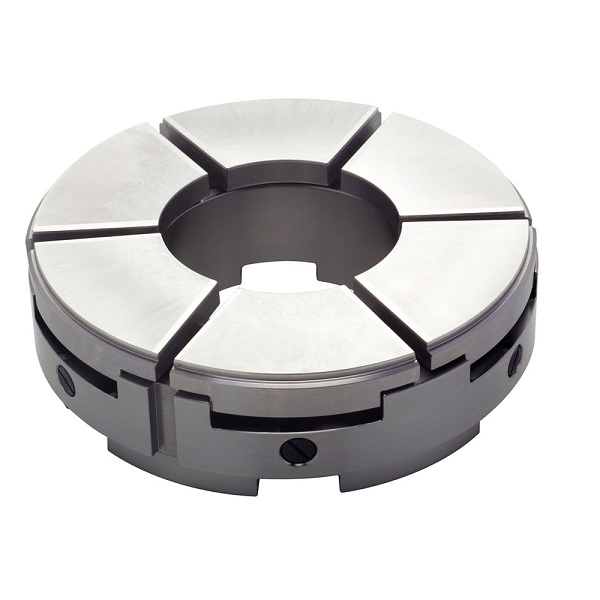
Frequent start-stop cycles subject bearings to transient thermal states and periods of boundary lubrication, where the hydrodynamic oil film has not yet fully developed. Under these conditions, the risk of metal-to-metal contact increases exponentially. Consequently, during planned maintenance outages, there is a growing commercial trend toward upgrading bearing designs to tilting pad thrust bearings and utilizing high-purity, centrifugally cast tin-based Babbitt linings to withstand the mechanical stresses of cyclic operation.
Preventative Maintenance Protocols for Bearing Shells
During scheduled plant outages, a comprehensive inspection and refurbishment protocol must be executed to ensure the integrity of the bearing assembly. The typical maintenance workflow includes:
1. Non-Destructive Testing (NDT) and Bond Evaluation
Before deciding to re-babbitt a bearing, ultrasonic testing (UT) is conducted to evaluate the bond integrity between the Babbitt lining and the steel or bronze backing shell. A poor bond can lead to localized overheating, fatigue cracking, and eventual spalling of the Babbitt material. Dye penetrant testing (PT) is also utilized to detect micro-cracks on the bearing surface.
2. Dimensional Metrology and Clearance Checks
Using precision micrometers and bore gauges, technicians measure the internal diameter of the bearing and compare it with the rotor journal dimensions. Correct bearing clearance is critical: too tight, and the bearing will overheat due to restricted oil flow; too loose, and the shaft may experience oil whip or sub-synchronous vibration, threatening machine stability.
3. Oil Film and Lubrication System Maintenance
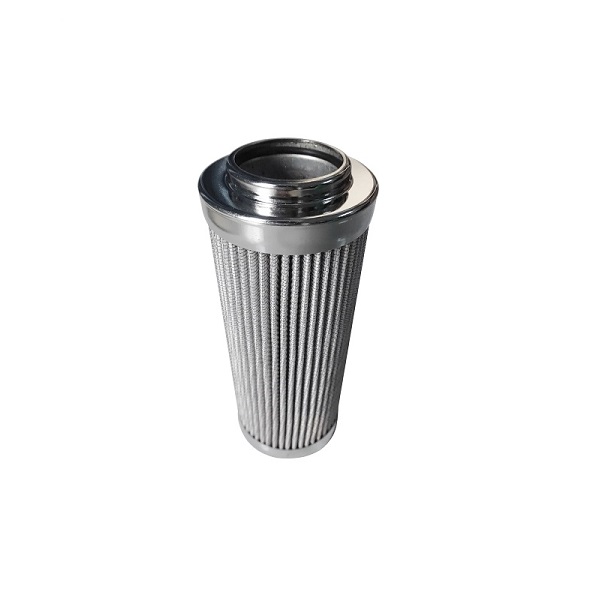
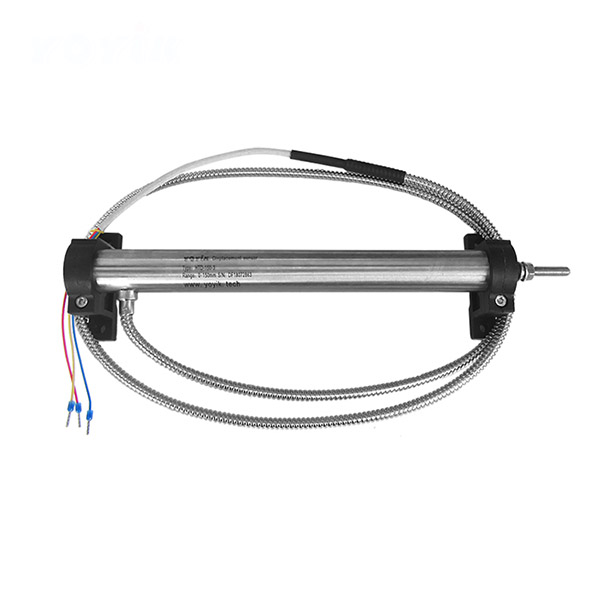
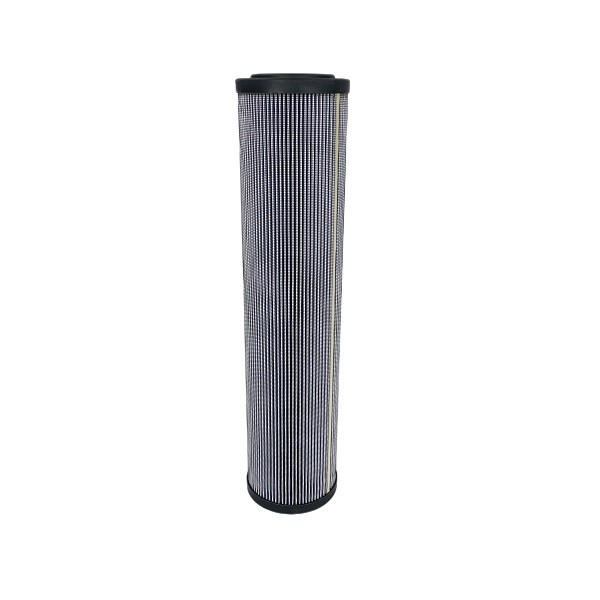
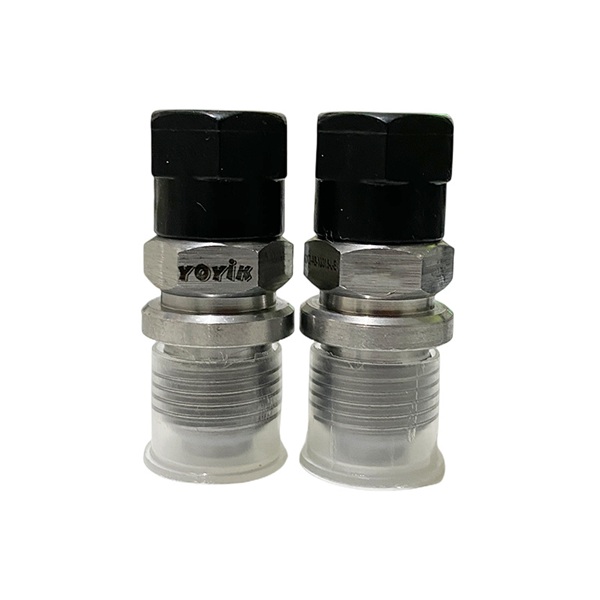
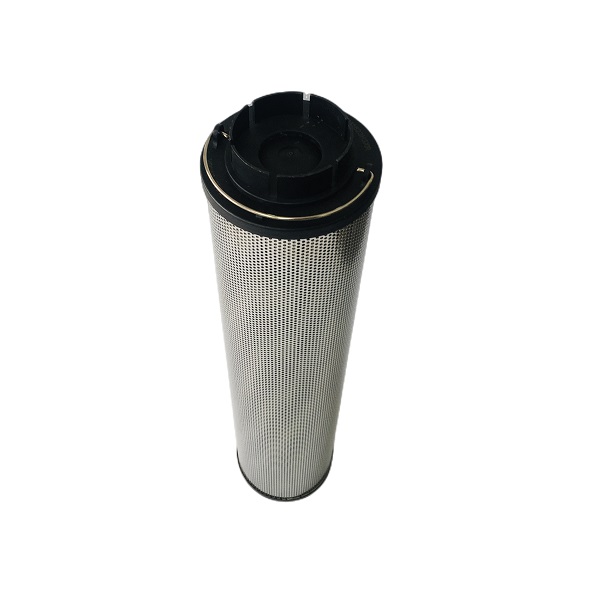
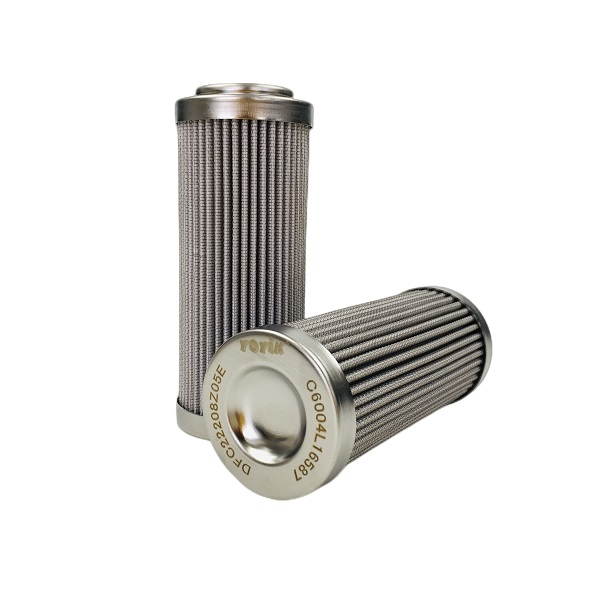
A bearing is only as good as the oil film that supports it. During planned maintenance, the entire lubrication system must be serviced. This includes replacing filter elements in the duplex oil filters, checking the accumulator valves, and ensuring that displacement sensors are calibrated to monitor shaft position and vibration accurately.
Deep Application Scenarios: Nuclear, Geothermal, and Supercritical Coal Plants
Different power generation technologies impose unique demands on turbine bearing materials:
- Nuclear Steam Turbines: Given the massive size of nuclear turbine rotors, bearings must support enormous static loads. The reliability requirements are absolute, requiring ultra-pure tin-based alloys and redundant temperature monitoring.
- Geothermal Turbines: Geothermal steam often contains corrosive gases such as hydrogen sulfide (H2S). In these environments, the bearing housing and sealing materials must be carefully selected to prevent chemical attack on the Babbitt metal.
- Supercritical and Ultra-Supercritical (USC) Plants: Operating at steam temperatures exceeding 600°C, these turbines experience significant thermal expansion. Bearings must accommodate large axial displacements, making tilting pad thrust bearings with advanced self-aligning features essential.
By leveraging advanced material science, rigorous quality control during centrifugal casting, and meticulous alignment procedures during planned maintenance, power plant operators can significantly extend the mean time between failures (MTBF) of their steam turbine assets, ensuring stable and efficient power generation for years to come.