Core Turbine Control & Filtration Components

Extreme Environment Gas Turbine Bearing: Industrial & Commercial Landscape
In the realm of heavy industry, aerospace propulsion, and power generation, the gas turbine stands as a marvel of modern engineering. Operating at the absolute limits of thermodynamics, these machines convert fuel into mechanical energy under conditions that would instantly destroy standard mechanical assemblies. At the heart of every gas turbine lies the rotor assembly, which must spin at speeds exceeding 10,000 RPM while subjected to temperatures that often surpass the melting point of common metals.
The component tasked with supporting this violent, high-energy rotation is the gas turbine bearing. In extreme environments—such as offshore oil platforms exposed to corrosive saltwater spray, desert power stations facing abrasive sandstorms, or aerospace engines climbing through freezing altitudes—these bearings must operate with near-zero failure rates. A single bearing failure can lead to catastrophic turbine damage, costing millions of dollars in repairs and operational downtime. Consequently, the commercial and industrial demand for advanced bearing designs capable of surviving these extreme environments has surged, driving unprecedented innovation in material science, lubrication systems, and real-time monitoring technologies.
Extreme Thermal Resistance
Engineered to withstand temperatures ranging from sub-zero cryogenic starts up to continuous operational heat exceeding 350°C without losing structural integrity.
Corrosion & Wear Defense
Features specialized Babbitt alloys, ceramic composites, and advanced surface coatings to resist acidic bypass gases and high-salinity air.
High Rotational Stability
Optimized geometry minimizes vibration, controls rotor dynamics, and prevents oil film whirl/whip under high-load, high-velocity conditions.
The Physics of Extreme Environments: Challenges Faced by Turbine Bearings
To appreciate the engineering that goes into a high-performance gas turbine bearing, one must first understand the hostile forces at play:
- Thermal Extremes: The gas path in a modern turbine can reach temperatures up to 1,600°C. While cooling systems isolate the bearing housing, heat conduction through the shaft raises bearing temperatures significantly. Standard steel bearings lose their hardness and fail rapidly under such thermal stress.
- Rotational Speeds and Load: Large-scale power generation turbines utilize massive rotors. The bearings must support these heavy loads while maintaining a micro-level oil film thickness. High surface speeds generate immense shear stress within the lubricant, leading to localized heating.
- Chemical Attack: Combustion byproducts, including sulfur and vanadium compounds, can combine with moisture to form highly corrosive acids. In marine environments, sodium chloride accelerates galvanic corrosion, requiring bearings to feature inert or highly resistant materials.
Advanced Material Solutions: From Babbitt Alloys to Ceramic Hybrids
The evolution of gas turbine bearings is deeply intertwined with materials science. Traditionally, fluid film bearings lined with Babbitt alloy (a tin- or lead-based alloy) have been the industry standard for large land-based turbines. Babbitt alloys are favored because of their excellent embeddability—their ability to absorb small dirt particles without scratching the rotating shaft—and their self-lubricating behavior during startup and shutdown cycles.
However, as modern turbines push for higher firing temperatures and efficiency, hybrid bearings utilizing silicon nitride (Si3N4) ceramic rolling elements are increasingly adopted in smaller auxiliary turbines and aerospace engines. Ceramic materials are 60% lighter than steel, reduce centrifugal forces at high speeds, and can operate without lubrication for short periods, providing an essential safety margin during oil system failures.
The Company
Dongfang Yoyik (Deyang) Engineering Co., Ltd., founded in 2004, is located in Deyang, Sichuan, the heavy industry base of China. YOYIK is a manufacturer and trader of industrial products, integrating design, R&D, production, sales, and service. Our team comprises more than 20 professional technicians and experienced sales representatives dedicated to providing you with professional, reliable, and considerate services.
Our major products and services include steam turbine spare parts, steam turbine generator spare parts, utility boiler spare parts, control system parts, hydraulic components, pneumatic components, filters, filter elements, EH system accessories, bolt heaters, insulating materials, sealants, Babbitt alloy bearings, DC/AC motor accessories, and motor repair services. Our products cover diverse fields such as thermal power generation, hydropower generation, minerals, chemicals, paper mills, and marine shipping, and are sold to more than 30 countries and regions in Europe, Southeast Asia, South America, and Africa.
The rapid development of YOYIK has received strong support from all walks of life. The needs of our users are our reason for existence. Our philosophy is to always care about user needs and help users solve their issues.
Why Choose Us
YOYIK stands out as a premier partner in the power generation and heavy machinery industry. Our commitment to quality, engineering precision, and customer satisfaction is built on five pillars:
Rich Experience
Serving as a trusted spare parts expert in the power industry since 2004, supporting major domestic and international plants.
Powerful Enterprise
Providing a seamless, one-step service model for industrial traders and end-users alike.
Wide Range of Products
Offering over 3,000 types of specialized spare parts, ensuring immediate availability and compatibility.
Professional Service
Backed by experienced, highly skilled engineers and supported by numerous intellectual property patents.
Advanced Equipment
Utilizing high-tech production machinery alongside professional testing devices to ensure absolute precision.


Services
As Manufacturer
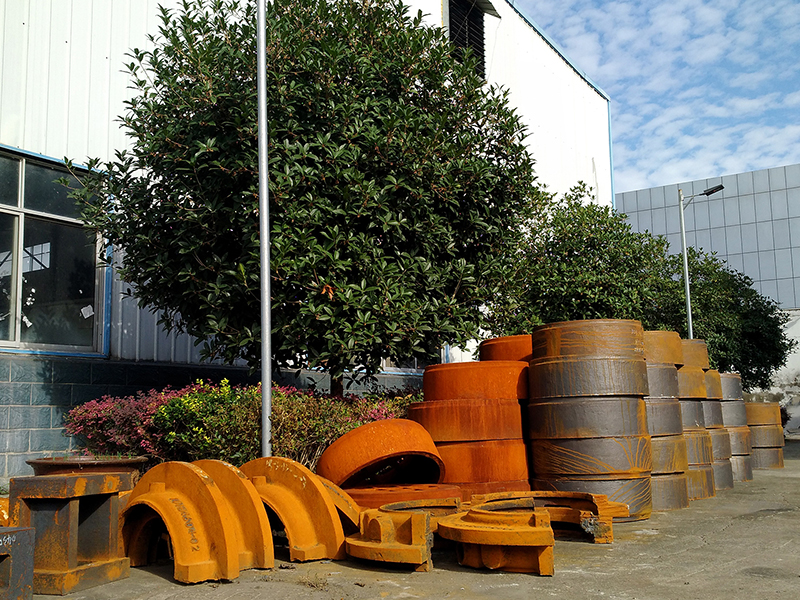
YOYIK has strong strength in technical force and processing capabilities, fully equipped with CNC lathes, machining centers, vertical lathes, CNC boring machines, gantry planers, gantry milling machines, 80mm plate rolling machines, etc. We have provided high-quality equipment selection, construction design, installation and commissioning, and after-sales service for the overhaul and technical transformation of hundreds of thermal power plants, hydropower stations, and metallurgical enterprises, quickly and accurately providing a large number of steam turbines, generators, boilers, and other spare parts.
As Trader
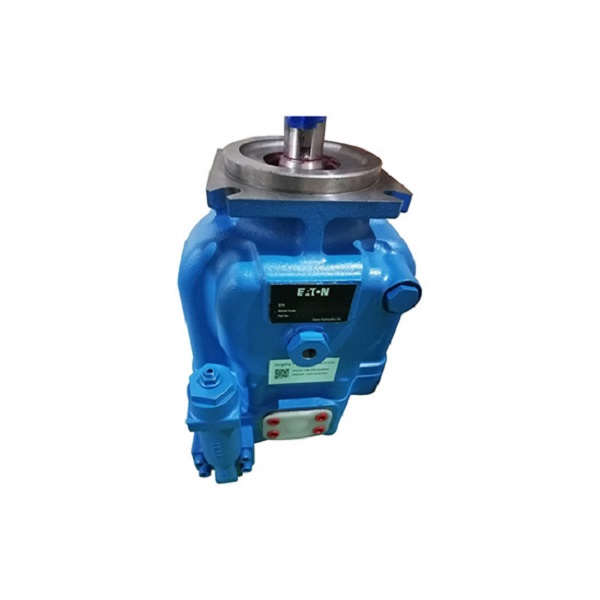
YOYIK provides a large number of imported NUGENT diatomite filters and other products for many steam turbine generator main engine suppliers, power plants, and other industrial users. The company has great advantages in the price and delivery time of many hydraulic products, including pumps, valves, sealing materials, etc. The brands cover EATON, VICKERS, MOOG, STAR, COPALTITE, TEMP-TITE, 707, etc.
As Service Provider
With more than 17 years of experience in supplying various areas of industrial products, YOYIK provides reliable solutions for the multi-factory, multi-channel, and multi-brand product needs of large-scale manufacturing and trading enterprises. We have a specialized information management system to achieve efficient cooperation with suppliers and logistics. With many years of experience, channels, and resources in export business, aiming at improving efficiency and reducing costs, we provide customers with the best choice for purchasing and reduce your worries in the process.
Deep Application Scenarios of Turbine Bearings in Extreme Environments
The engineering requirements for gas turbine bearings vary significantly depending on the specific application scenario. Let us explore three critical environments where these components are pushed to their absolute limits:
1. Offshore Oil & Gas Platforms
On offshore drilling rigs, gas turbines are used to drive compressors and generators that power the entire facility. The environment is highly saline, humid, and subject to continuous structural vibrations from the ocean waves. Bearings in this setting must feature advanced sealing systems to prevent salt air from contaminating the lubricant. Furthermore, the use of corrosion-resistant Babbitt alloys combined with synthetic lubricants is mandatory to prevent chemical degradation of the bearing surface.
2. Aviation Propulsion Systems
Aircraft engines undergo rapid thermal cycling—transitioning from ambient ground temperatures of 40°C to altitude temperatures of -50°C in a matter of minutes. During take-off, the bearings experience maximum thrust loads and rotational speeds. In this scenario, hybrid bearings with ceramic balls and specialized tool-steel rings are utilized to minimize weight, reduce friction, and survive the thermal shock of rapid altitude changes.
3. Combined Cycle Power Plants (CCPP)
In modern baseload power plants, gas turbines run continuously for months. The primary requirement here is extreme longevity and wear resistance. Hydrodynamic journal bearings, which utilize a continuous pressurized film of oil to float the turbine shaft, are standard. The oil filtration system (utilizing products like the BFP Lube Filter) must operate flawlessly to remove sub-micron particles that could break the hydrodynamic film and cause metal-on-metal contact.
Future Trends: Smart Bearings and the Hydrogen Transition
The future of gas turbine bearings is being shaped by two major trends: digitalization and the transition to green fuels.
Smart Bearings with Embedded Sensors: The integration of IoT sensors directly into the bearing housing allows operators to monitor temperature, vibration, and oil film thickness in real-time. Machine learning algorithms analyze this data to predict failures before they occur, shifting maintenance schedules from reactive to predictive.
Hydrogen-Fueled Gas Turbines: As the power industry transitions to zero-carbon fuels, gas turbines are being redesigned to burn hydrogen. Hydrogen combustion has a higher flame speed and flame temperature than natural gas, resulting in significantly higher thermal loads. Bearings for hydrogen turbines require advanced cooling paths and new material coatings to resist hydrogen embrittlement and higher operational temperatures.
Our Milestone History

Complete Extreme Environment Spare Parts Catalog