
Steel Glue Manufacturer in China - Premium Adhesives
From our factory in China, I offer Steel Glue that stands up to real-world industrial demands. As a dedicated China-based manufacturer, I know what buyers need: fast cure, strong adhesion, and reliability in harsh environments. Our Steel Glue forms a durable, gap-filling bond between metals, resisting moisture, vibration, and temperature swings. I’ve formulated it for easy handling in production lines—brush, nozzle, or cartridge application—and it cures quickly at room temperature with no double curing steps. Typical ranges vary by formulation, and I’ll share exact numbers in the technical data sheet. It suits automotive, structural steel, machinery, and stainless systems. I provide technical data sheets, measurement tolerances and batch traceability. For B2B purchasers, I offer flexible MOQ, steady supply, and hands-on technical support from a real manufacturer who speaks your language. If you’re sourcing Steel Glue from a China manufacturer, we’re ready to partner for long-term success.


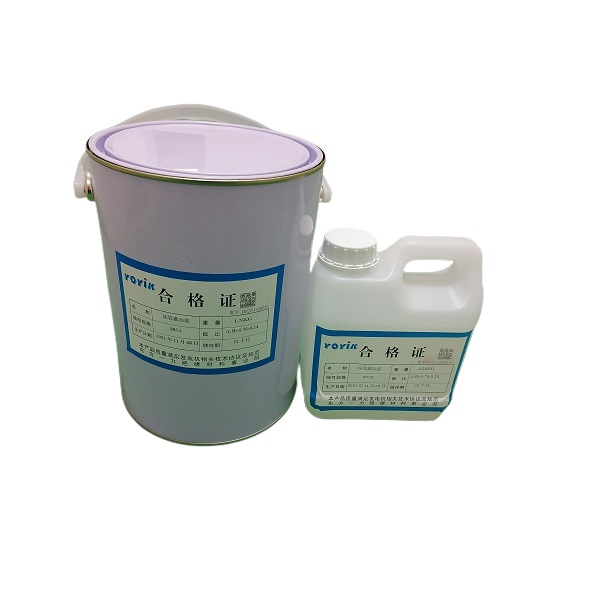


Steel Glue Manufacturer Factory
As a dedicated steel bonding adhesive supplier, we provide high-strength structural systems for demanding metal joints across automotive, rail, construction, and industrial equipment. Our epoxy, toughened epoxy, and polyurethane chemistries deliver reliable bonds for steel-to-steel and steel-to-metal assemblies, with strong shear, impact resistance, and long-term durability in harsh environments. Options include room-temperature or heat-assisted curing and fast fixture times, supported by scalable production and packaging from cartridges to drums. Rigorous quality control ensures traceability and consistent supply for global projects. We also offer COAs and safety data, guidance on surface preparation, primers, and pretreatments, and field testing to validate adhesion and resistance. Export-ready packaging and long-term supply partnerships help reduce risk and accelerate time to market worldwide.
| Product Type | Chemical Base | Recommended Substrate | Lap Shear Strength (MPa) | Tensile Strength (MPa) | Viscosity (mPa·s) | Fixture Time | Full Cure | Pot Life / Shelf | Service Temp (°C) | Gap Fill (mm) | Surface Preparation | Typical Uses | Notes |
|---|---|---|---|---|---|---|---|---|---|---|---|---|---|
| Two‑Part Structural Epoxy | Epoxy (amine hardener) | Steel-to-steel, plated metals | 25 | 35 | 25,000 | 30–60 min | 24 h @ 23°C | 30–60 min pot life | -40 to 120 | 2–5 | Degrease; abrasive blasting or grit; solvent wipe | Structural bonding, metal fabrication, load-bearing joints | High stiffness and chemical resistance; good gap fill |
| High‑Viscosity Steel Epoxy Gel | Epoxy (thixotropic) | Vertical joints, steel repairs | 20 | 30 | 80,000 | 60–120 min | 48 h @ 23°C | 1–2 h pot life (mixed) | -40 to 110 | 5–10 | Abrade; clean of oils/loose rust; solvent wipe | Fill, fair, and repair of corroded steel; gap-filling structural repairs | Non-sag formula ideal for vertical applications |
| Toughened Acrylic Structural Adhesive | Methyl methacrylate (MMA), two-part | Bonding painted or oily steels with minimal prep | 18 | 30 | 10,000 | 5–15 min | 24 h @ 23°C | 5–15 min pot life | -40 to 120 | 1–3 | Degrease; light abrasion recommended for best strength | Fast fixturing structural bonds, panel assembly | Good impact and vibration resistance; tolerates some surface contamination |
| Cyanoacrylate (Metal Grade) | Ethyl/alkyl cyanoacrylate (single‑part) | Small metal parts, fittings, burr bonding | 12 | 20 | 50–200 | 10–60 s | 24 h (full strength) | Not applicable (single‑part) | -50 to 80 | 0.05–0.3 | Remove oils; abrade if gap >0.2 mm | Quick repairs, jigs, small assemblies | Brittle under shock; limited gap-filling; fast bonding |
| Polyurethane Elastomeric Adhesive | Polyurethane, moisture-cure | Steel to dissimilar substrates, vibration-damping joints | 10 | 20 | 15,000 | 60–90 min (tack) | 7 days (full cure, humidity dependent) | Mixed shelf: typically 12 months unopened | -40 to 90 | 3–6 | Degrease; remove loose corrosion; primer may improve adhesion | Sealing, flexible bonds, vibration isolation | Good flexibility and peel resistance; longer cure time |
| Anaerobic Threadlocker (Steel Grade) | Dimethacrylate-based anaerobic | Fasteners, studs, threaded steel assemblies | 20 | 25 | 1,000–3,000 | 10–30 min (initial) | 24 h (max strength) | Shelf life 12–24 months unopened | -55 to 150 | 0.05–0.5 | Clean threads; remove oils and metal filings | Locking and sealing threaded fasteners, preventing loosening | Activates in absence of air and presence of metal; cures between close-fitting parts |
| Structural Metal Bonding Film (Aerobic/Film) | Preform adhesive film (epoxy/thermoset) | Sheet metal panels, lap joints in fabrication | 22 | 32 | Preform (solid film) | Requires heat/pressure | Cure cycle: minutes at elevated temp | Shelf: 6–18 months refrigerated | -40 to 130 | 0.1–1 (film thickness) | Clean, dry surfaces; primer depending on alloy | Automotive panel bonding, structural laminates | Consistent bondline thickness; requires thermal cure equipment |
Related Products


Steel Glue Exceeds Industry Benchmarks Service Backed by Expertise
Top Selling Products


- Related Blog
- Reviews
