
High Heat Adhesive - Famous Factories for Reliable Bonding
I’m in charge of sourcing for global manufacturing teams, and I know you need a reliable High Heat Adhesive that endures extreme temps. Our formula is built for Famous electronic and automotive parts and for use in Factories where durability matters. In tests, it withstood high-heat cycles and bonded stainless steel, aluminum, ceramics, and composites with solid shear strength. It cures fast, tolerates solvents, resists aging, and stays flexible to prevent cracking from cycling. You’ll get batch-to-batch consistency, low VOCs, and easy application via nozzle or automated guns. We offer scalable packaging—bulk drums or sticks—plus responsive tech support with datasheets and test reports. If you want a proven High Heat Adhesive that reduces downtime and returns, I believe this is the right partner for factories worldwide.

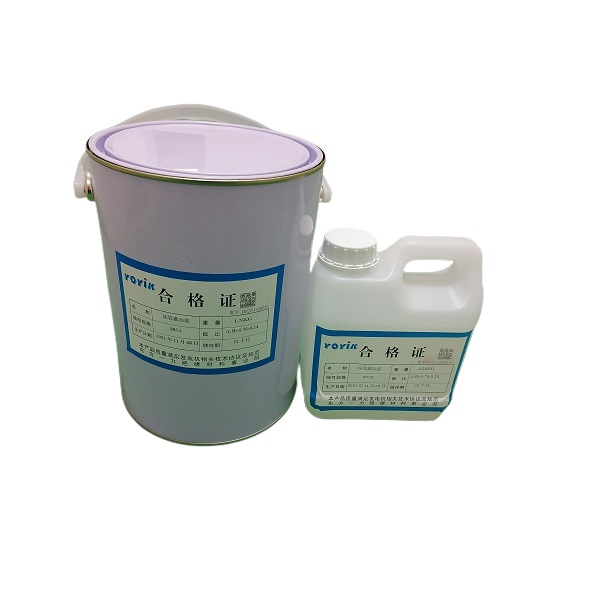


High Heat Adhesive Now Trending Your Trusted OEM Partner
High-heat adhesives are rapidly gaining traction across industries that demand reliable bonds under extreme temperatures—from automotive turbochargers and electric vehicle battery packs to aerospace assemblies and industrial heaters. These advanced formulations offer exceptional thermal stability, chemical resistance, and long-term mechanical strength, reducing failure rates and maintenance costs while enabling lighter, more compact designs. As a trusted OEM partner, we deliver tailored high-heat adhesive solutions with scalable production, rigorous quality control, and engineering support for formulation tuning, prototyping, and testing. Global supply chain reliability, industry certifications, and flexible packaging options ensure timely deliveries and cost-efficient integration into your manufacturing line, making us the smart choice for procurement teams seeking performance, consistency, and technical partnership.
| Adhesive Type | Max Continuous Temp (°C) | Short-Term Peak Temp (°C) | Cure Method | Tensile Shear Strength (MPa) | Viscosity (mPa·s) | Open Time (min) | Primary Substrates | Typical Applications | Regulatory Notes | Shelf Life (months) | Color |
|---|---|---|---|---|---|---|---|---|---|---|---|
| Silicone RTV (High-Temp) | 200 | 260 | RTV (condensation/addition) | 1.5 – 3 | ~50,000 | 5 – 20 | Metals, Glass, Ceramics, some Plastics | Sealing, gasketing, thermal cycling insulation | Commonly RoHS; many formulations REACH registered | 12 – 18 | Neutral / Black |
| Aromatic Epoxy (High-Temp) | 180 | 250 | Heat cure (e.g., hours at 120–150°C) | 15 – 30 | ~10,000 | 10 – 60 | Metals, Composites, Ceramics | Structural bonding, potting for power electronics | Typical industrial compliance (RoHS / REACH applicable) | 6 – 12 | Amber / Black |
| Phenolic / Novolac Adhesive | 200 | 300 | Heat cure / b-stage or hot-melt processing | 10 – 25 | ~5,000 (molten) | N/A (hot-melt / b-stage) | Metals, Composites, Laminates | Laminates, high-temp structural assemblies, brake & friction components | Meets many industrial thermal-resistance standards | 12 | Brown / Dark |
| Polyimide Adhesive (Film / Paste) | 350 | 400 | Heat cure (200–300°C) | 5 – 20 | ~5,000 | 5 – 30 | Metals, Ceramics, Glass, High-temp Plastics | Aerospace, electronic insulation, extreme-temp bonding | Often used to meet aerospace specifications | 6 – 12 (film may extend life) | Amber / Brown |
| Ceramic-Filled Epoxy (Thermally Conductive) | 200 | 260 | Heat cure | 10 – 25 | ~50,000 (high filler load) | 20 – 60 | Metals, Ceramics, PCB substrates | Thermal interface bonding, power electronics assembly | Common RoHS / REACH conformity for electronic grades | 6 – 9 | Grey / White |
| High-Temp Structural Acrylic | 150 | 200 | Two-part or heat-accelerated cure | 15 – 30 | ~4,000 | 3 – 15 | Metals, Most Composites, Many Plastics | Automotive, structural assemblies, fast-cycle bonding | Industrial certifications common; substrate-specific approvals advised | 12 | Opaque Amber |
Related Products


High Heat Adhesive Products Pioneers in the Field
Top Selling Products


- Related Blog
- Reviews
