
Adhesive Sealant - High-Quality Supplier for Reliable Bonds
Many projects demand a reliable Adhesive Sealant that sticks under pressure and lasts. I’m part of a dependable supplier offering High-Quality Adhesive Sealant for construction, manufacturing, and maintenance. My team ensures consistent batch quality, fast lead times, and scalable packaging from cartridges to bulk totes. This Adhesive Sealant delivers strong initial tack, excellent cure strength, and resistance to moisture, temperature swings, and vibrations—ideal for metal, concrete, glass, and plastics. For B2B buyers, I provide technical data sheets, application guidance, and QA documentation to ease procurement and compliance. Whether you need a standard grade or custom formulation, we can align with your spec, ensure compatibility with your process, and meet your timeline. Our promise is steady supply, competitive pricing, and a true partner for your adhesive and sealant needs—High-Quality materials from a trusted Supplier.


Adhesive Sealant Trusted by Pros Outperforms the Competition
Professionals choose this high-performance adhesive sealant because it consistently outperforms the competition in bond strength, durability, and weather resistance. Fast, uniform curing and excellent adhesion to a wide range of substrates reduce assembly time and rework, while proven resistance to UV, solvents, and thermal cycling ensures long-term reliability in demanding environments. Formulations meet international standards and regulatory requirements, delivering predictable performance across applications from construction to industrial manufacturing. Designed for global procurement, the product is backed by rigorous quality control, independent lab testing, and flexible supply solutions including bulk packaging and OEM customization. Competitive lead times, transparent documentation (technical datasheets, safety data), and expert technical support simplify qualification and scale-up, helping buyers minimize risk and total cost of ownership. Requesting samples and performance data enables rapid evaluation for your specific needs.
{ Adhesive Sealant Trusted by Pros Outperforms the Competition}
| Performance Metric | Pro-Grade Sealant (Trusted by Pros) | Competitor A (General-Purpose) | Competitor B (Economy) |
|---|---|---|---|
| Primary Chemistry | Hybrid Polymer (MS Polymer, moisture-cure) | Polyurethane (moisture-cure) | Acetoxy Silicone (acid-cure) |
| Tensile Strength (MPa) (ISO 527 style test) |
4.8 MPa | 3.2 MPa | 1.6 MPa |
| Lap Shear Strength on Aluminum (MPa) | 7.5 MPa | 4.6 MPa | 2.8 MPa |
| Shore A Hardness | 48 Shore A | 55 Shore A | 35 Shore A |
| Elongation at Break (%) | 380% | 220% | 120% |
| Tack-Free Time (min) (23°C, 50% RH) |
20–30 minutes | 30–60 minutes | 5–15 minutes |
| Full Cure (typical, 5 mm bead) | 24–48 hours | 48–72 hours | 24 hours |
| Operating Temperature Range (°C) | -50 to +120 °C | -40 to +100 °C | -40 to +90 °C |
| Water Immersion Resistance | Maintains adhesion after 1000 hours immersion | Maintains adhesion after 240 hours immersion | Limited (visible degradation after 72 hours) |
| VOC Content (g/L) | Approx. 15 g/L (very low-VOC) | Approx. 120 g/L | Approx. 250 g/L |
| Vertical Sag (mm) — 3 mm bead at 23°C | ≤0.5 mm | 1.5–2.5 mm | 3–5 mm |
| Adhesion to Glass (MPa) | 4.2 MPa (no primer) | 2.9 MPa (primer recommended) | 1.4 MPa |
| Adhesion to ABS / PC (MPa) | 3.6 MPa (high initial grab) | 2.1 MPa | 1.2 MPa |
| Thermal Cycling Resistance | Survived 500 cycles (-20°C ↔ 80°C) with <5% property loss | Survived 200 cycles with observable microcracking | Survived 50 cycles with adhesion loss |
| Salt Spray Corrosion Resistance | Maintains seal & adhesion after 1000 hours (ASTM B117) | Maintains seal ~240–500 hours | Corrosion observed <168 hours |
| Certifications & Test Standards | ASTM C920 compatible properties; passes ISO environmental cycling tests | Matches selected ASTM classes; limited environmental data | Basic compliance with common silicone standards |
| Recommended Substrates | Aluminum, stainless steel, glass, wood, painted surfaces, many plastics (including rigid PVC) | Metal, wood, concrete; some plastics with primer | Glass, ceramic, non-porous surfaces |
| Typical Applications | Facade glazing, metal-to-metal bonding, exterior trim, marine fittings, HVAC seals | Window frames, general construction sealing, joints | Bathroom & kitchen sealing, non-structural caulking |
| Cure Mechanism | Moisture-cure hybrid (neutral by-product) | Moisture-cure polyurethane | Acetoxy (acid) cure |
| Color Options (common) | Neutral grey, black, white, clear | White, grey, black | White, clear |
Related Products


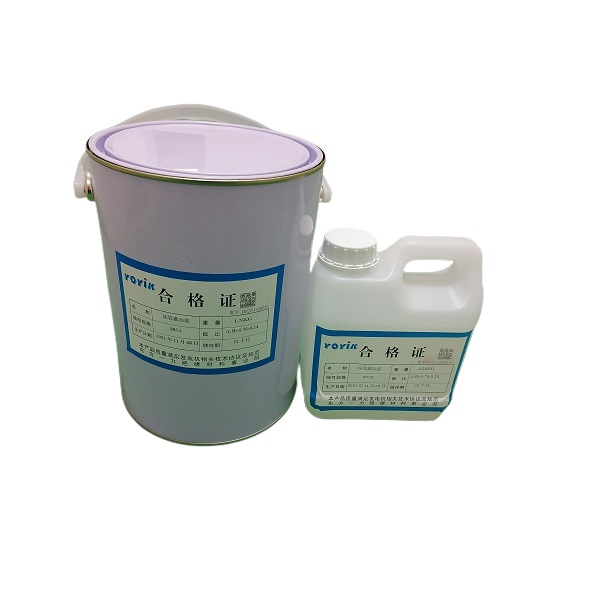
Adhesive Sealant Exceeds Industry Benchmarks From Concept to Delivery
Top Selling Products


- Related Blog
- Reviews
