
Adhesive Sealant Industry: High-Quality Supplier of Sealants
In the Adhesive Sealant Industry, I stand as a reliable Supplier who delivers High-Quality solutions tailored for manufacturers and contractors. My range includes advanced adhesive sealants designed for weather resistance, chemical compatibility, and easy application. I work closely with customers to understand your process, supply chain constraints, and performance targets, then match you with products that reduce downtime and warranty risk. With certified quality management, I provide consistent batch-to-batch performance and full technical support—from material data sheets to field trials. You’ll appreciate short lead times, competitive pricing, and flexible MOQs that align with your project needs. Whether you’re sealing joints in construction or bonding components in electronics, my Adhesive Sealant Industry expertise helps you choose the right product, ensuring durable seals and compliant results. Let me be your dependable High-Quality Supplier, guiding you from specification to installation.

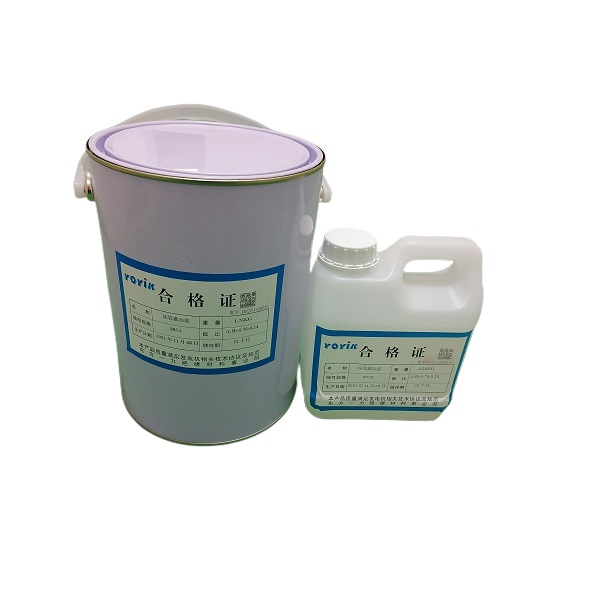


Adhesive Sealant Industry Sets the Industry Standard Manufacturers You Can Rely On
The adhesive sealant industry has raised the bar with manufacturers that combine rigorous quality control, advanced R&D and sustainable formulations to meet global procurement needs. Reliable suppliers deliver certified processes, traceable raw materials, consistent batch performance and tailored solutions across construction, automotive, electronics and packaging applications, ensuring long-term product stability and regulatory compliance. Global buyers benefit from partners offering scalable production, predictable lead times, comprehensive testing and technical support for integration and application optimization. Choosing a manufacturer that prioritizes innovation, transparent supply-chain management and customer-focused logistics minimizes risk, speeds time-to-market and protects brand reputation worldwide.
| Dimension | Representative Values / Notes |
|---|---|
| Industry overview | Global adhesive & sealant market: mature industrial segment focusing on high-performance, low-VOC chemistries and specialty formulations for construction, automotive, electronics and packaging. Large replacement & maintenance demand plus growing new-build activity in emerging regions. |
| Regional production / market share (approx.) |
Asia Pacific: 48%
Europe: 22%
North America: 20%
Latin America: 6%
MEA: 4%
Notes: shares reflect recent multi-source market synthesis (manufacturing output & consumption combined).
|
| Projected growth (CAGR 2024–2030) | ~4.2% CAGR (representative industry consensus). Growth driven by construction renovation cycles, automotive lightweighting adhesives, electronics assembly trends and low-VOC regulatory adoption. |
| Chemistry composition (by market share) |
Silicones 26% • Polyurethane 18% • MS Polymers (silane-modified) 15% • Acrylics 14% • Epoxy & structural hybrids 12% • Other / specialty 15%
Distribution typical for a diversified market; varies by application (e.g., silicones dominate exterior glazing, epoxies dominate structural bonding).
|
| Typical performance ranges (industry-wide) |
Tensile strength: 0.5–12 MPa; Elongation at break: 50–1200%; Shore A hardness: 10–90; Service temperature: -60°C to +200°C (chemistry dependent).
Higher tensile/rigidity observed in epoxy/polyurethane structural adhesives; silicones and MS polymers provide higher elongation and temperature stability.
|
| Cure and handling | Tack-free time: ~5–60 min; Full-cure: 24–72+ hours (depth and humidity affect cure); Cure mechanisms: moisture-curing (silicones, MS), polyaddition (polyurethane), radical cure (UV acrylics), condensation (some siloxanes). |
| Typical VOC ranges | Low-VOC formulations: <50 g/L (many silicones, next-gen MS); Moderate: 50–150 g/L; High-solvent legacy formulations: 150–250+ g/L. Regulatory push favors sub-50–100 g/L ranges for architect/indoor applications. |
| Common applications (percent split estimate) | Construction & façade sealing: 36% • Automotive assembly & sealing: 20% • General industry & manufacturing: 18% • Electronics & electrical: 10% • Packaging & consumer repair: 10% • Other: 6% |
| Standards & certifications | Frequently referenced standards: ISO 11600 (sealant classification), ASTM C920 (elastomeric sealants), EN 15651 (façade & non-structural sealants), REACH compliance, CE marking for EU applications. Fire performance often tested per EN/ASTM methods when required. |
| Substrate compatibility | Typical substrates: glass, aluminum, galvanized steel, painted surfaces, concrete, wood, many plastics. Primer recommendations common for porous or low-energy plastics; compatibility testing required for critical bonds. |
| Packaging formats | Cartridges (commonly 300 mL), sausages (250–600 mL), tubs/pails (1–20 L), drums for bulk (200–1000 L). Choice driven by application scale and dispensing equipment. |
| Storage & shelf life | Typical shelf life: 6–18 months at recommended conditions (cool, dry, sealed). Storage temperature commonly 5–25°C; avoid freezing for moisture-curing types. |
| Key raw-material families | Silicone polymers, polyurethane prepolymers/isocyanates, silane-terminated polymers, acrylic resins, epoxy resins, plasticizers, crosslinkers, fillers (silica, calcium carbonate) and rheology modifiers. |
| Health & safety highlights | Common considerations: ventilation for solvent-based systems, skin/eye protection, isocyanate and amine sensitizer management for some PU systems, proper disposal per local regulations. Many manufacturers now offer low-VOC, non-isocyanate alternatives. |
| Emerging R&D trends | Low-/no-VOC formulations, bio-based raw materials, UV/dual-cure systems for faster throughput, hybrid chemistries for combined elasticity & strength, enhanced adhesion to low-energy plastics without primers. |
| Market drivers & restraints | Drivers: renovation activity, automotive lightweighting, electronics miniaturization, stricter environmental regulations. Restraints: raw material price volatility, regulatory limits on certain solvents/isocyanates, substitution by mechanical fastening in some sectors. |
| Representative KPI visuals |
Regional concentration
Asia Pacific 48%
Silicone share
26%
Projected CAGR
4.2%
|
Related Products


Adhesive Sealant Industry Delivers Unmatched Quality Where Innovation Meets 2025
Top Selling Products


- Related Blog
- Reviews
